Field guide · 30 birds

Common Backyard Birds

These are the birds that show up at feeders, hedges and lawns across North America. Learning them is the fastest way into birding: most can be seen from a kitchen window in a single morning.

Offering black-oil sunflower seed, clean water and some dense shrubs brings in most of them; the guides below cover what each one eats and where it nests.

At a glance

BirdGroupColorsHabitatRegionLengthWingspanDiet
American RobinThrushesOrange, Gray, BlackBackyardsNationwide9 in14 inOmnivore
Northern CardinalCardinals & alliesRed, BlackBackyardsEastern9 in11 inSeeds
Blue JayJays & crowsBlue, White, BlackBackyardsEastern11 in15 inOmnivore
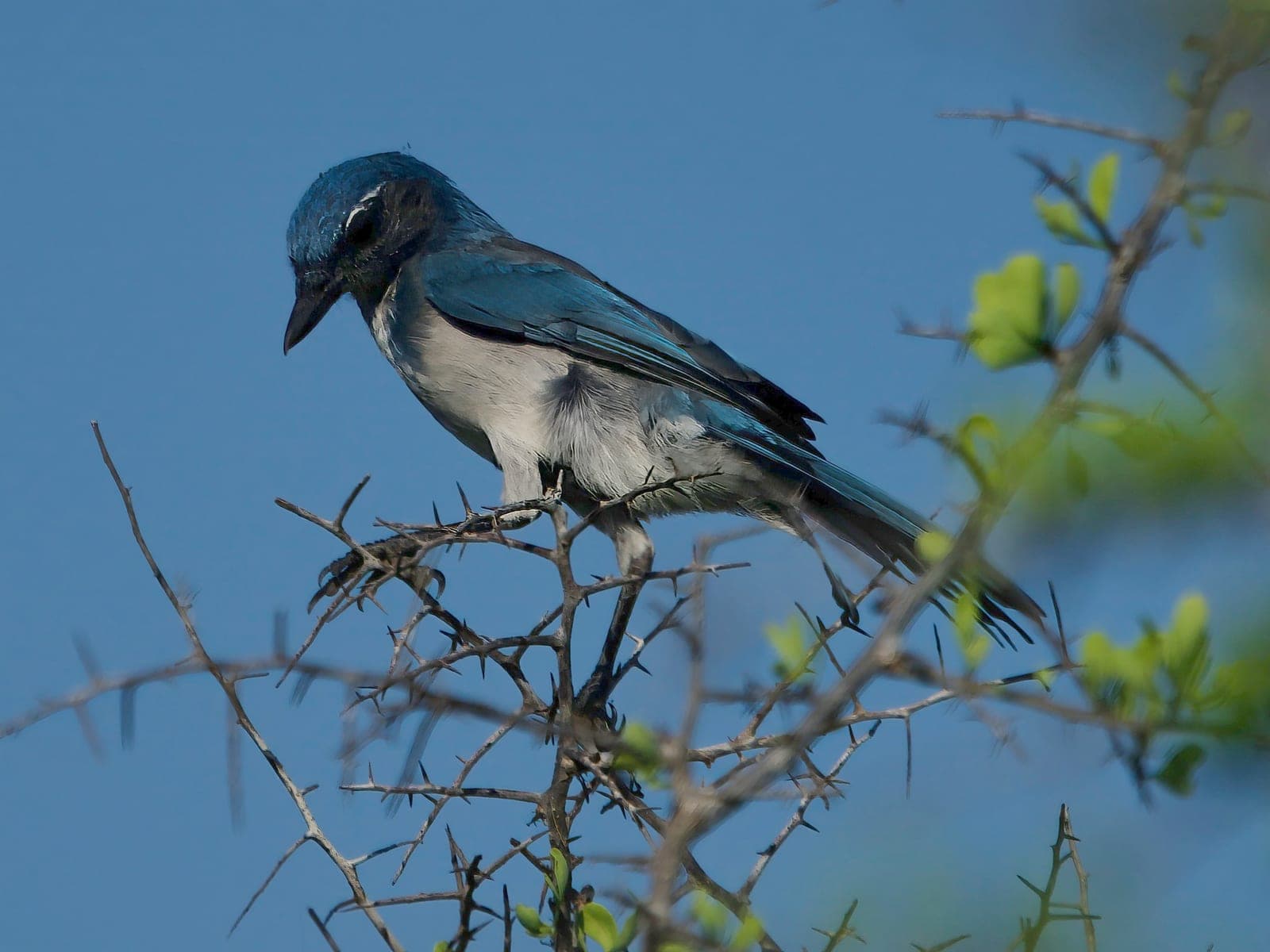
California Scrub-JayJays & crowsBlue, Gray, WhiteBackyardsWestern11 in15 inOmnivore
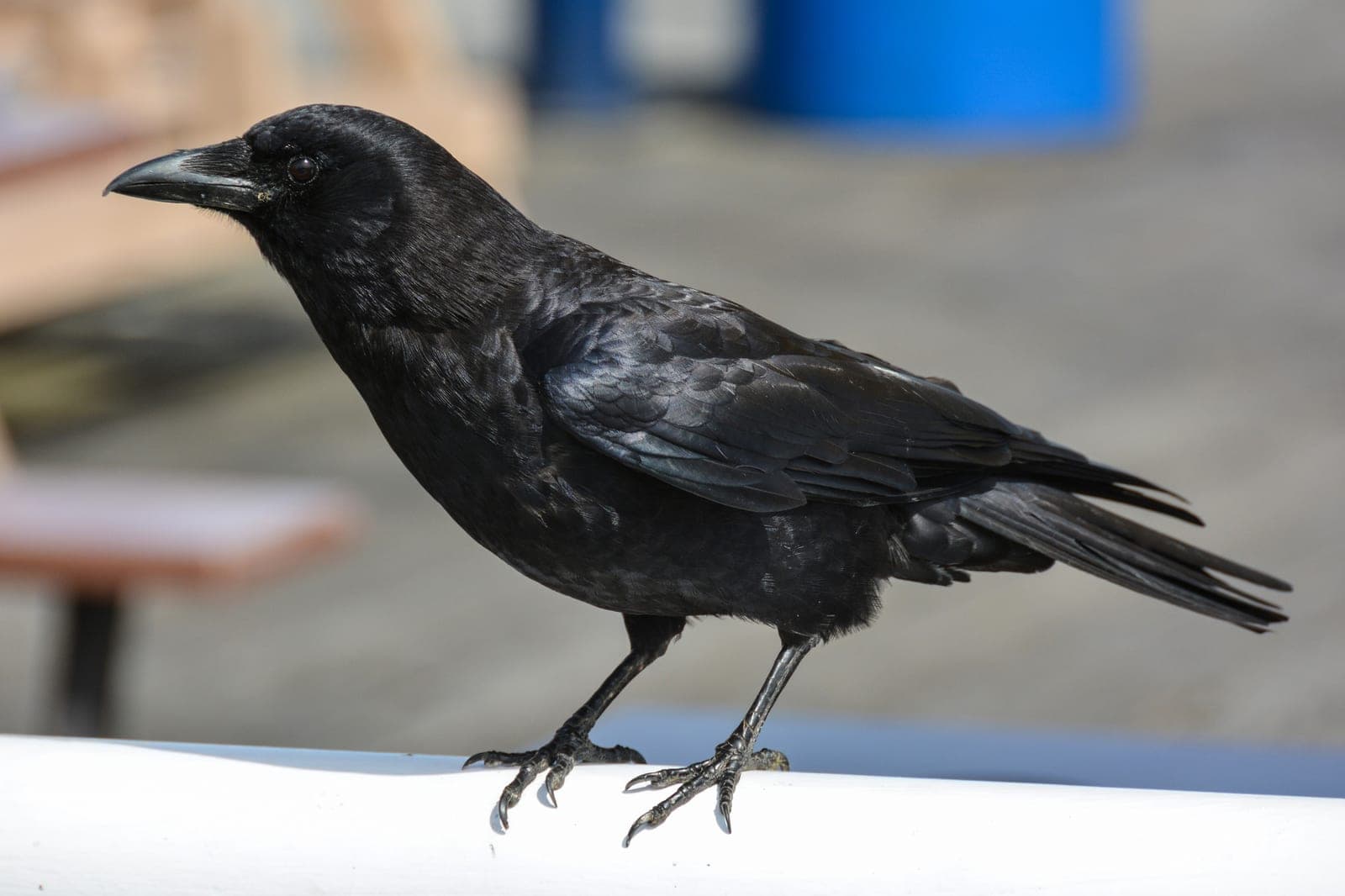
American CrowJays & crowsBlackBackyardsNationwide18 in36 inOmnivore
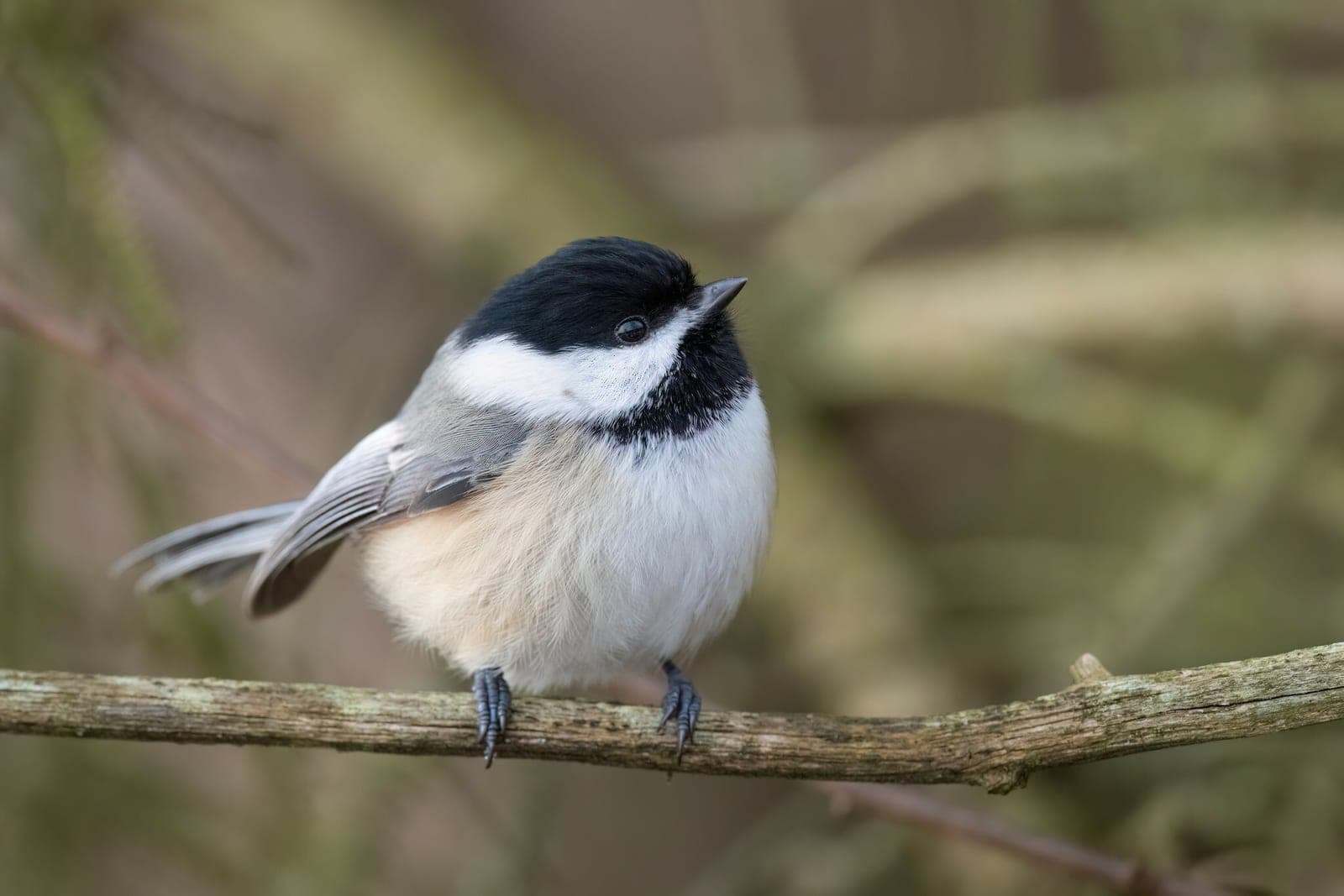
Black-capped ChickadeeChickadees & titmiceGray, Black, WhiteBackyardsNorthern5 in7 inInsects
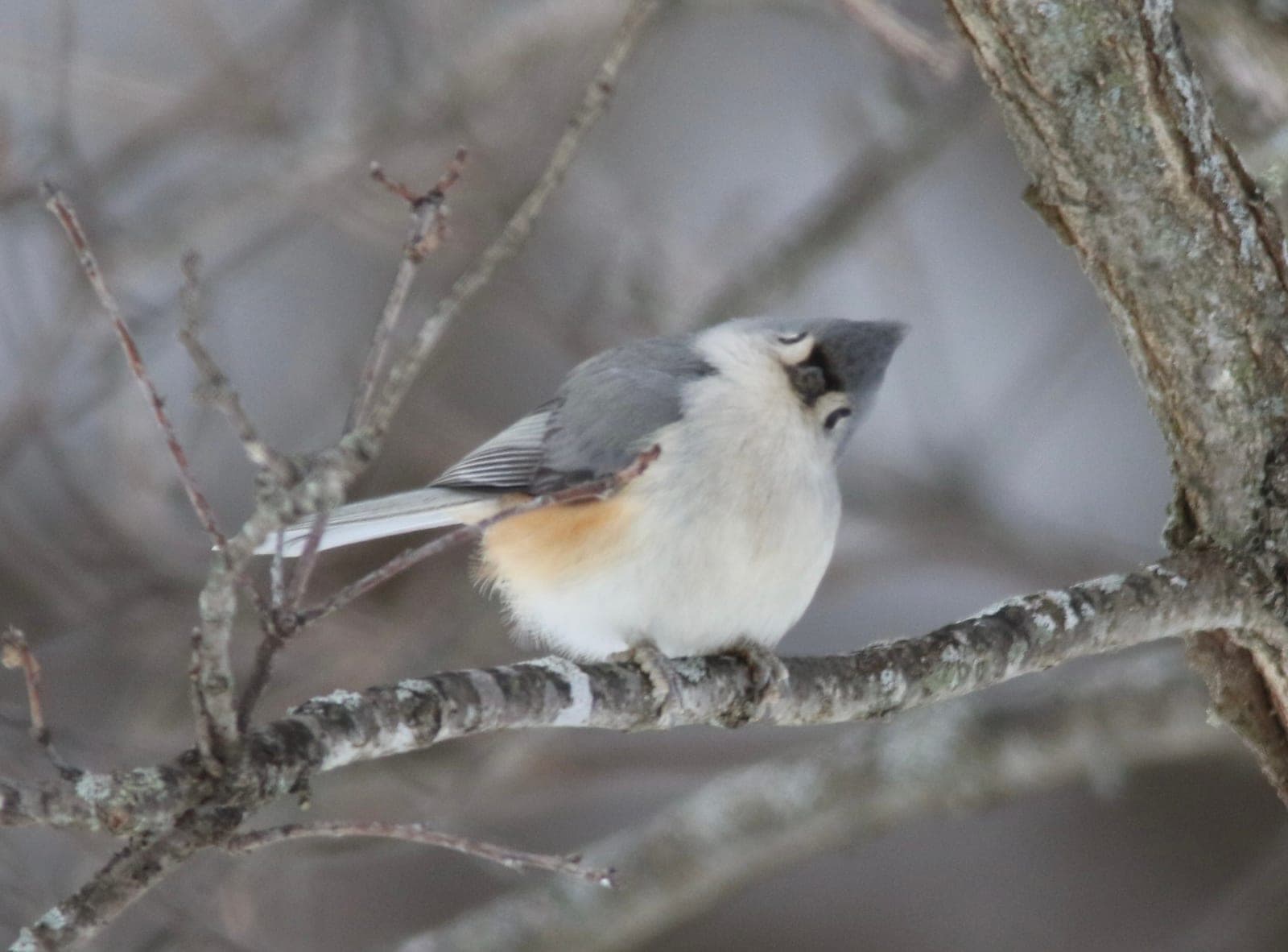
Tufted TitmouseChickadees & titmiceGray, WhiteBackyardsEastern6 in9 inInsects
White-breasted NuthatchNuthatchesGray, White, BlackBackyardsNationwide5 in9 inInsects
American GoldfinchFinchesYellow, BlackBackyardsNationwide4.7 in8 inSeeds
House FinchFinchesRed, BrownBackyardsNationwide5 in9 inSeeds
House SparrowOld World sparrowsBrown, Gray, BlackBackyardsNationwide6 in9 inSeeds
Song SparrowNew World sparrowsBrown, WhiteBackyardsNationwide6 in8 inSeeds
White-throated SparrowNew World sparrowsBrown, Gray, WhiteBackyardsEastern7 in9 inSeeds
Dark-eyed JuncoNew World sparrowsGray, WhiteBackyardsNationwide6 in8 inSeeds
Northern MockingbirdMockingbirds & thrashersGray, WhiteBackyardsSouthern9 in13 inOmnivore
Gray CatbirdMockingbirds & thrashersGray, BlackBackyardsEastern9 in10 inOmnivore
Brown ThrasherMockingbirds & thrashersBrown, WhiteBackyardsEastern10 in12 inInsects
European StarlingStarlingsBlackBackyardsNationwide9 in14 inOmnivore
Common GrackleBlackbirds & oriolesBlack, BlueBackyardsEastern12 in16 inOmnivore
Baltimore OrioleBlackbirds & oriolesOrange, BlackBackyardsEastern7 in10 inInsects
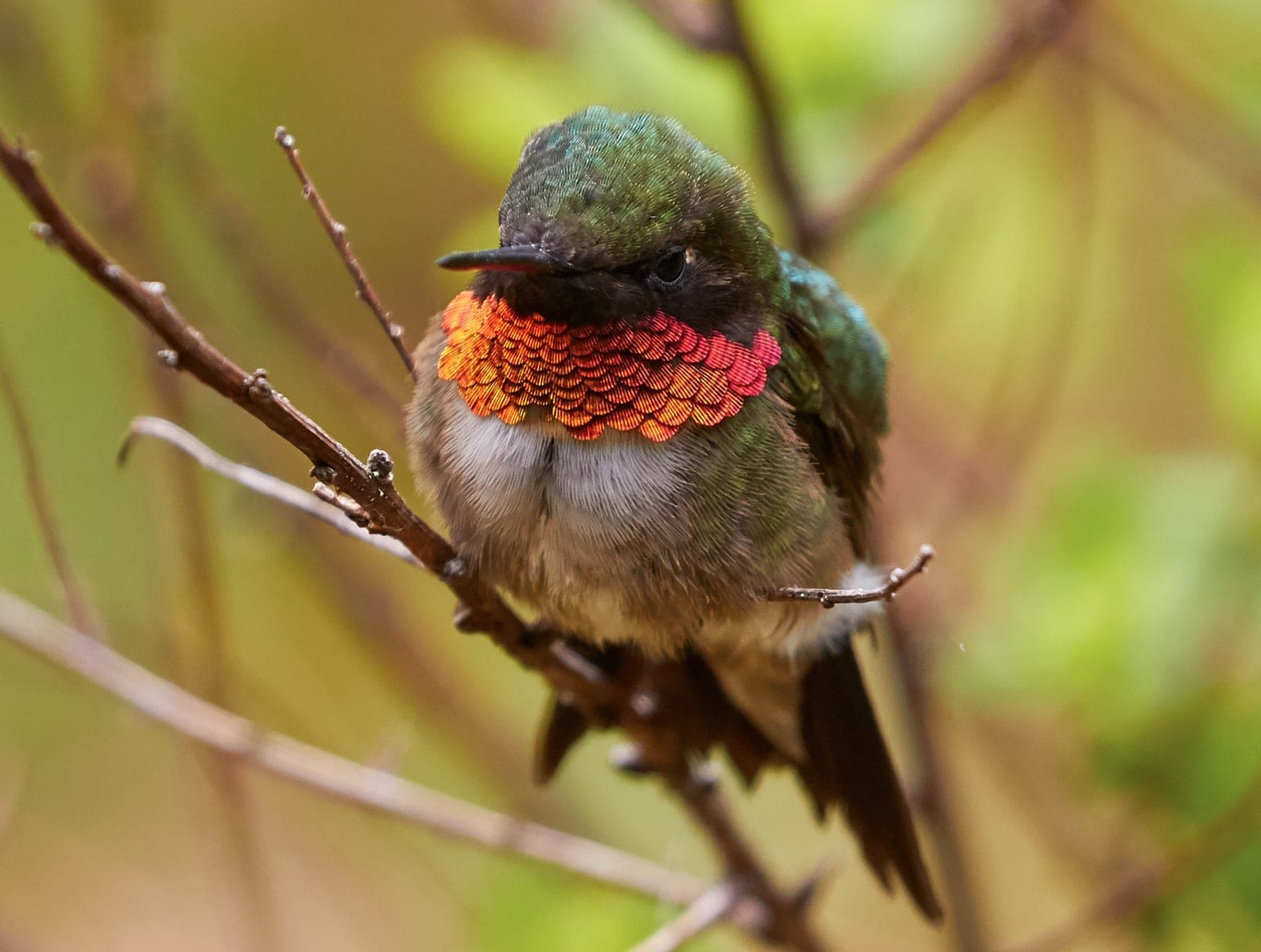
Ruby-throated HummingbirdHummingbirdsGreen, Red, WhiteBackyardsEastern3.2 in3.7 inNectar
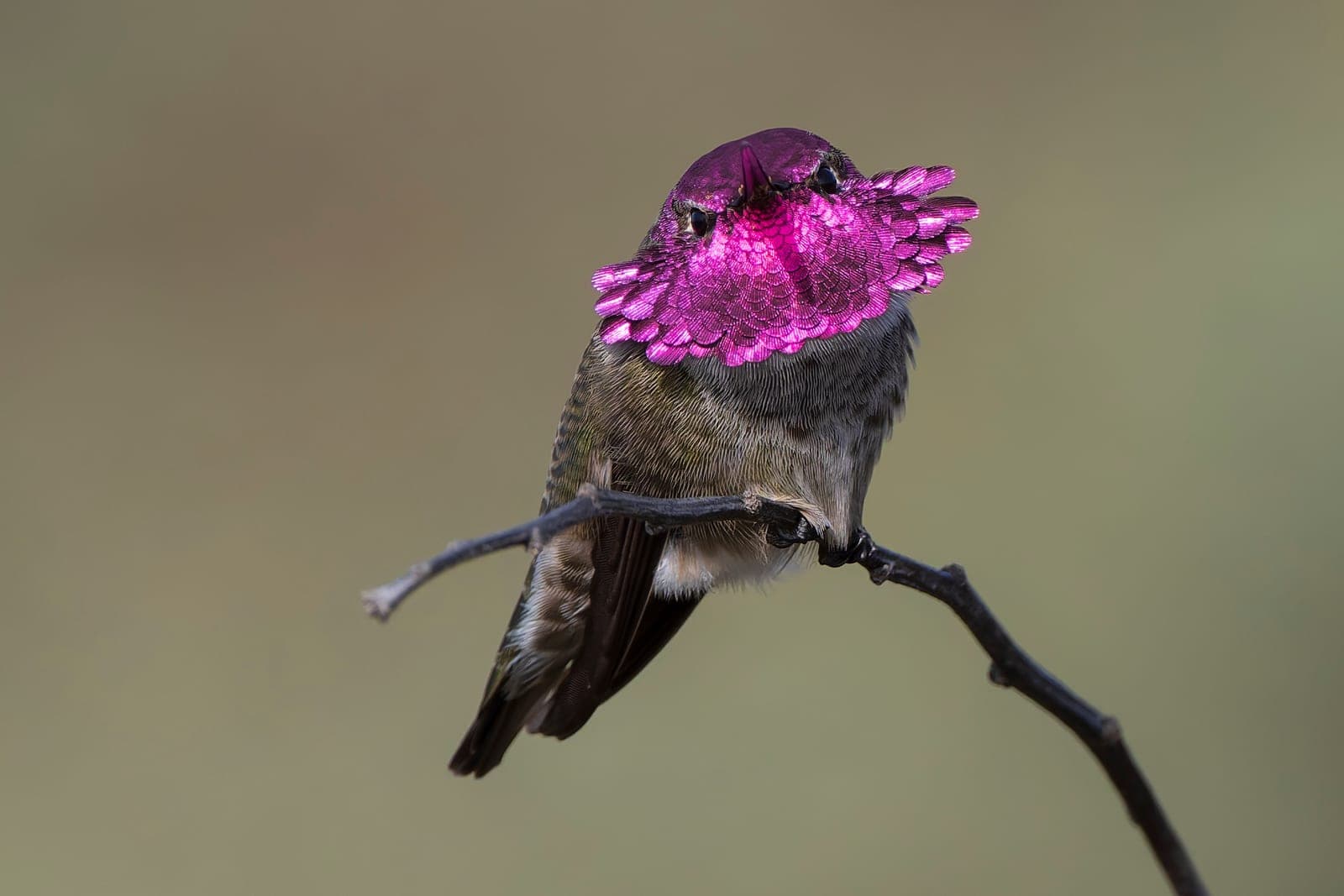
Anna's HummingbirdHummingbirdsGreen, Red, GrayBackyardsWestern3.9 in4.7 inNectar
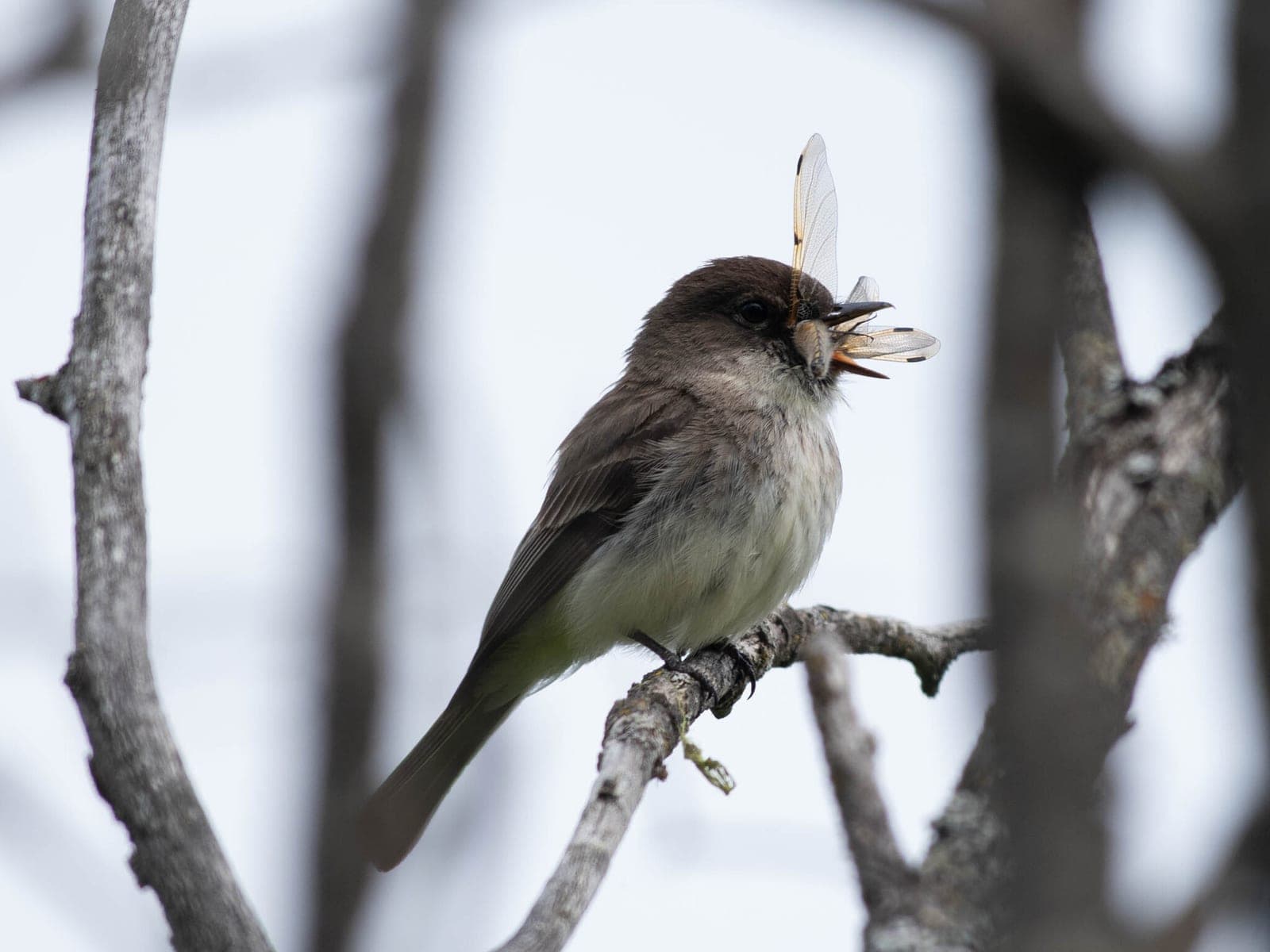
Eastern PhoebeTyrant flycatchersGray, WhiteBackyardsEastern6 in11 inInsects
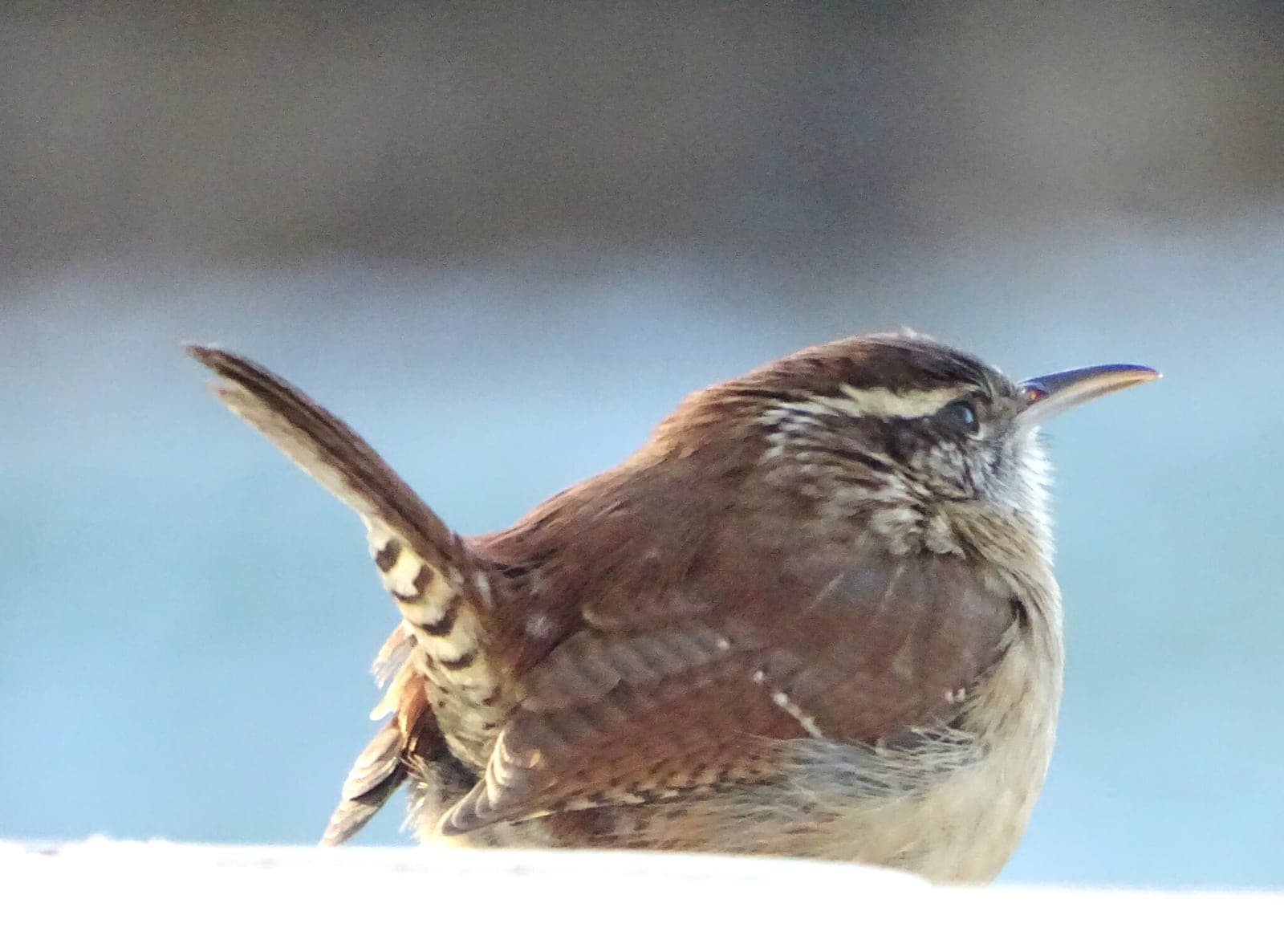
Carolina WrenWrensBrown, Orange, WhiteBackyardsEastern5 in11 inInsects
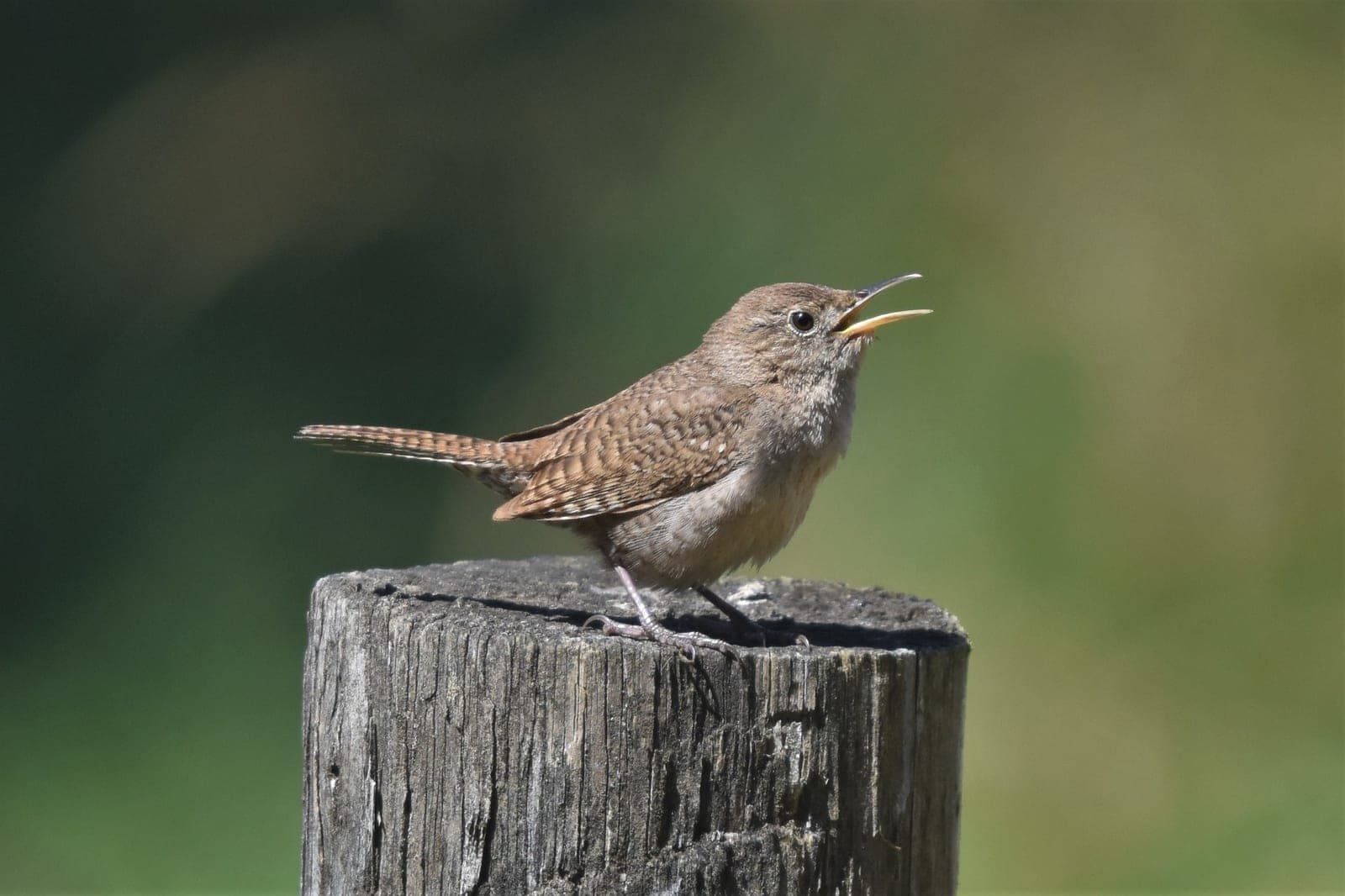
House WrenWrensBrownBackyardsNationwide4.7 in6 inInsects
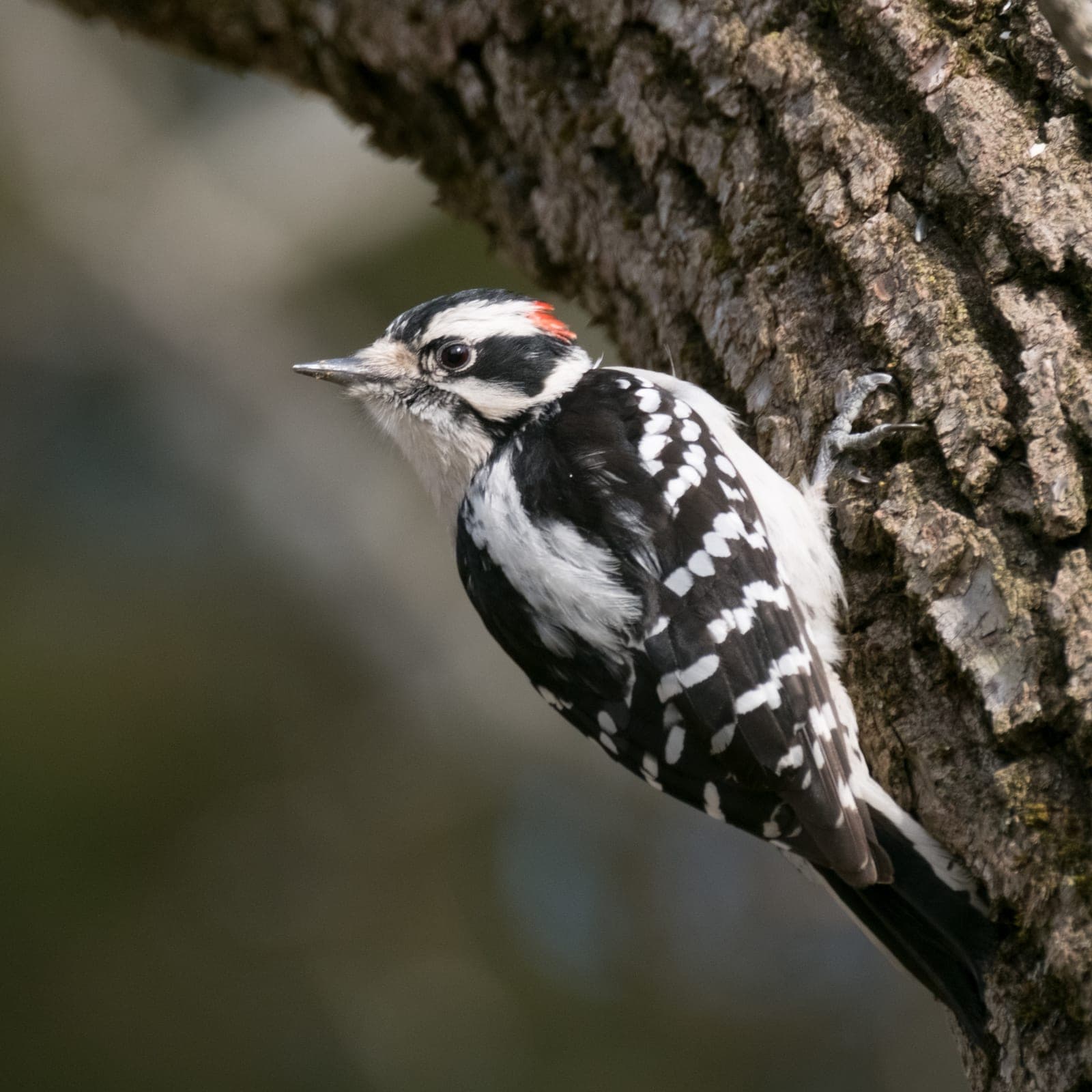
Downy WoodpeckerWoodpeckersBlack, White, RedBackyardsNationwide6 in11 inInsects
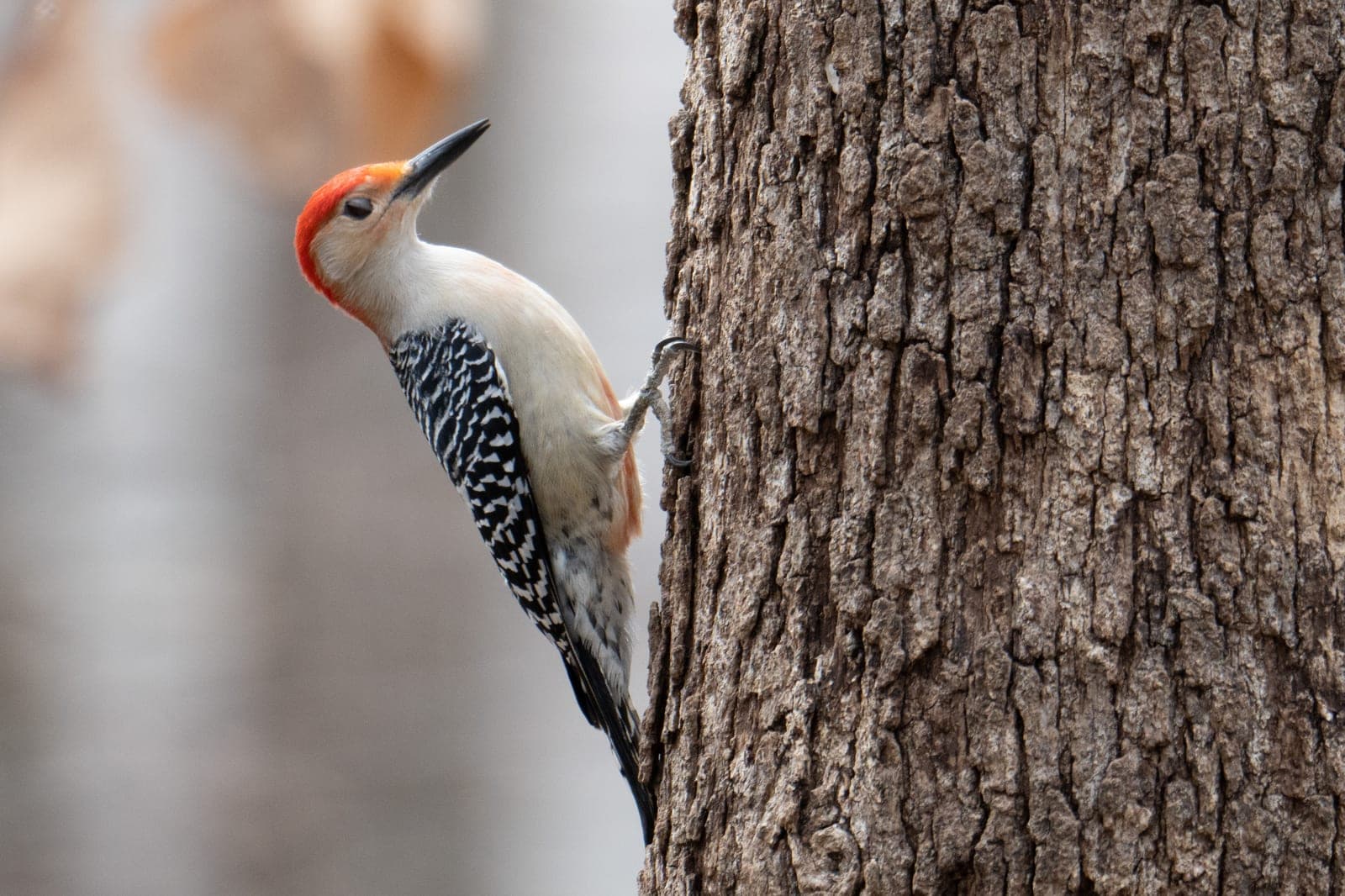
Red-bellied WoodpeckerWoodpeckersBlack, White, RedBackyardsEastern9 in15 inOmnivore
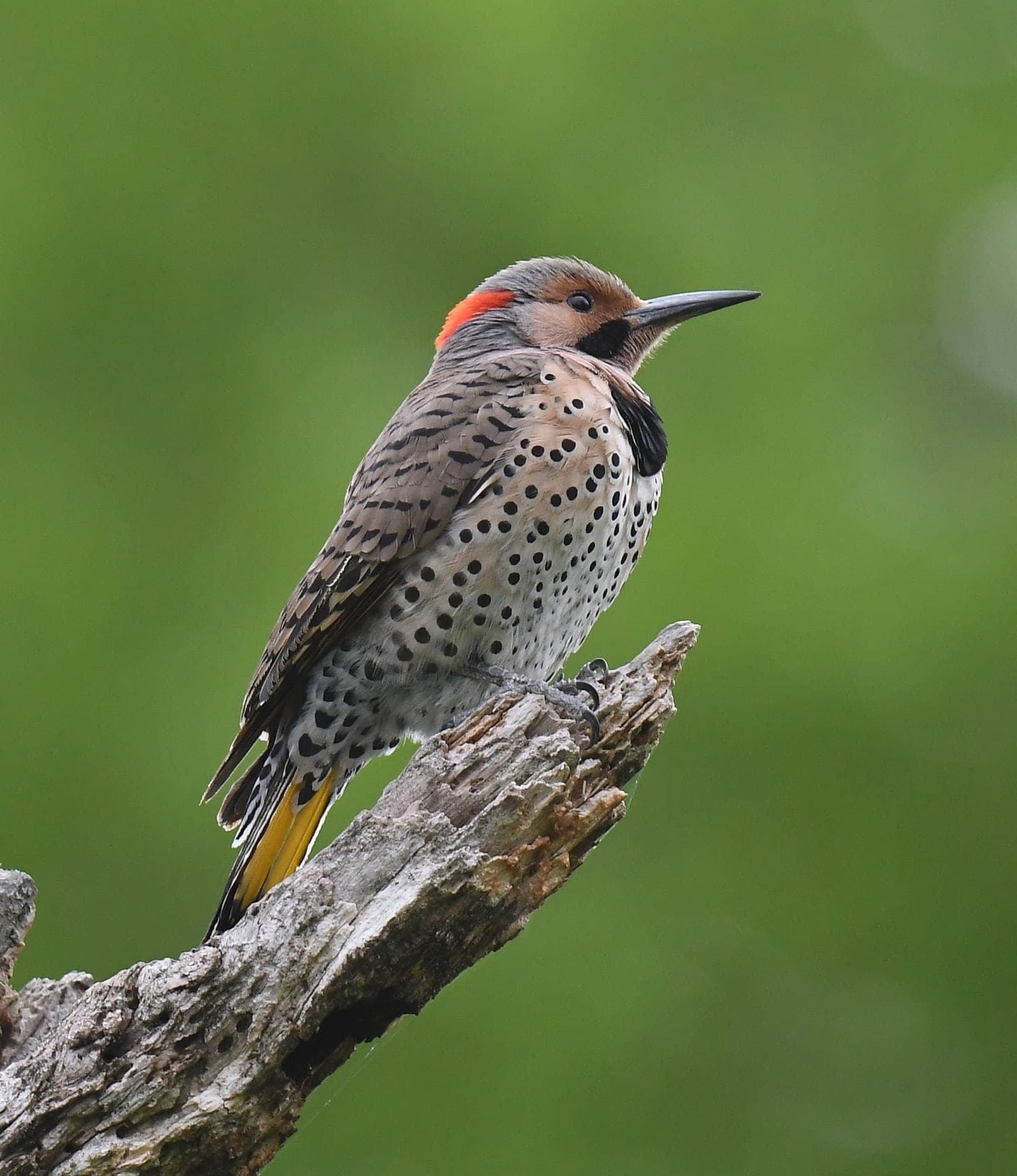
Northern FlickerWoodpeckersBrown, BlackBackyardsNationwide12 in18 inInsects
Cooper's HawkHawks & eaglesGray, Orange, WhiteBackyardsNationwide16 in30 inMeat
Rock PigeonPigeons & dovesGray, BlackBackyardsNationwide13 in23 inSeeds

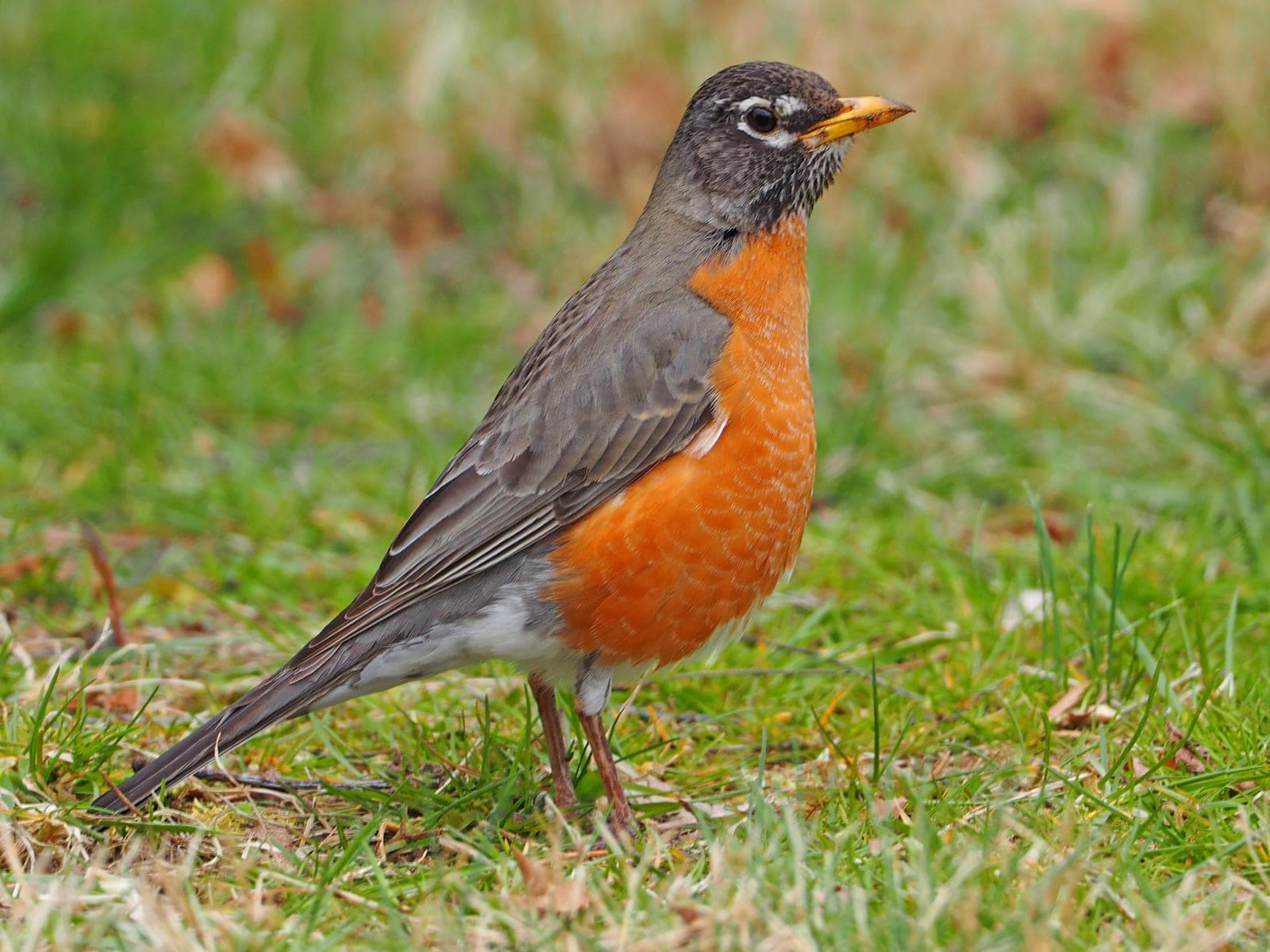
American Robin

Turdus migratorius

The American robin is the bird most people learn first: a big, orange-breasted thrush that runs across lawns, yanks up earthworms and starts singing before first light. Partners in Flight puts its population at about 370 million, making it the most abundant landbird in North America, and it is the state bird of Connecticut, Michigan and Wisconsin.

Read the full guide →
Northern Cardinal

Cardinalis cardinalis

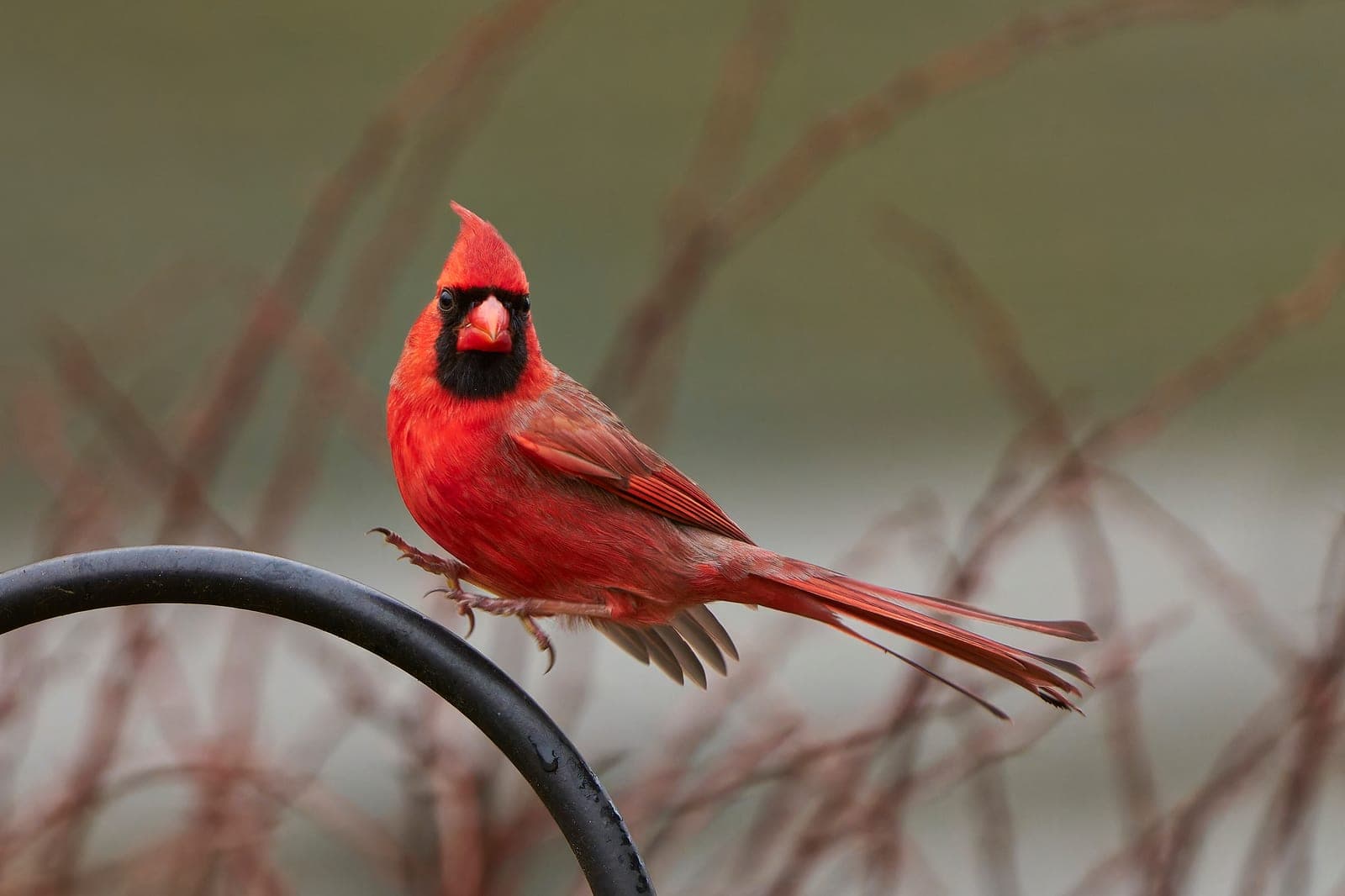
The northern cardinal is the crested red bird of eastern backyards, a year-round resident that brightens snowy feeders and whistles from treetops in late winter. It is the state bird of seven states, more than any other species, and it has spread steadily north into New England and southeastern Canada over the past century.

Read the full guide →
Blue Jay

Cyanocitta cristata

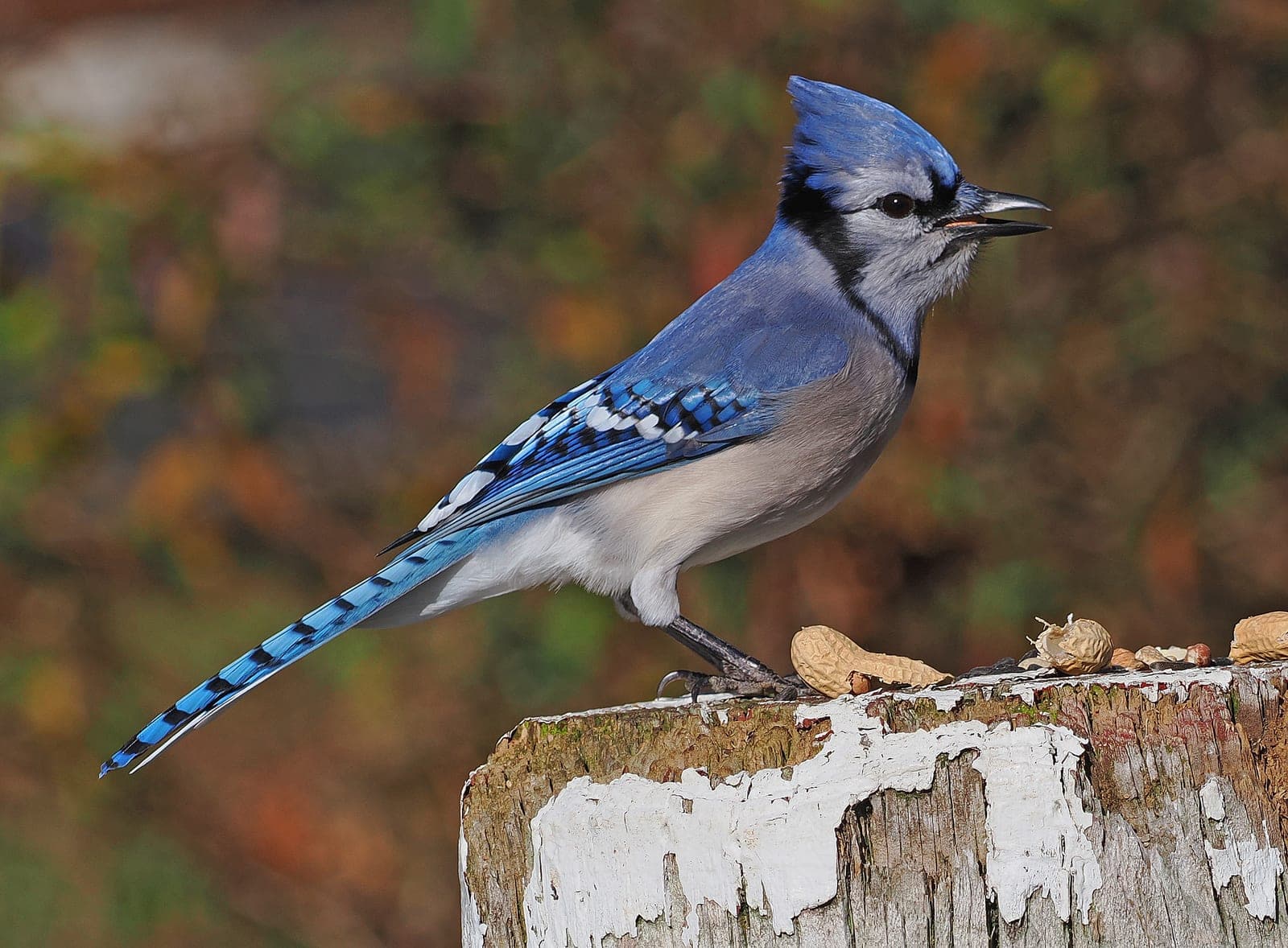
The Blue Jay is the loud, crested blue-and-white jay of eastern and central North America, as familiar at backyard feeders as it is in oak woods. It is a clever member of the crow family that buries acorns by the thousands, mimics hawks, and sounds the alarm for every other bird in the woods when a predator shows up.

Read the full guide →
California Scrub-Jay

Aphelocoma californica

The California Scrub-Jay is the crestless blue jay of Pacific Coast oak woods and backyards, a bold, loud bird that many people in California simply call a blue jay. It is famous among scientists for its memory: scrub-jays bury acorns and seeds all fall and can keep track of what they hid, where, and how long ago.

Read the full guide →
American Crow

Corvus brachyrhynchos

The American Crow is the all-black bird that caws from farm fields, beaches, highways and city parks across most of North America. It is one of the smartest animals around: crows live in close family groups, solve problems, remember individual human faces, and gather by the thousands in winter roosts.

Read the full guide →
Black-capped Chickadee

Poecile atricapillus

The Black-capped Chickadee is the tiny, fearless bird with the black cap and bib that greets winter hikers and feeder watchers across the northern half of the continent. It weighs less than half an ounce yet survives subzero nights, remembers where it hid hundreds of seeds, and uses its namesake call to warn the whole forest about predators.

Read the full guide →
Tufted Titmouse

Baeolophus bicolor

The Tufted Titmouse is the little gray bird with a pointed crest and big black eyes that whistles 'peter-peter-peter' from eastern woods and backyards. A close relative of chickadees, it is a feeder regular, a bold scold of owls and cats, and one of the success stories of the past half-century, steadily spreading north into New England and Canada.

Read the full guide →
White-breasted Nuthatch

Sitta carolinensis

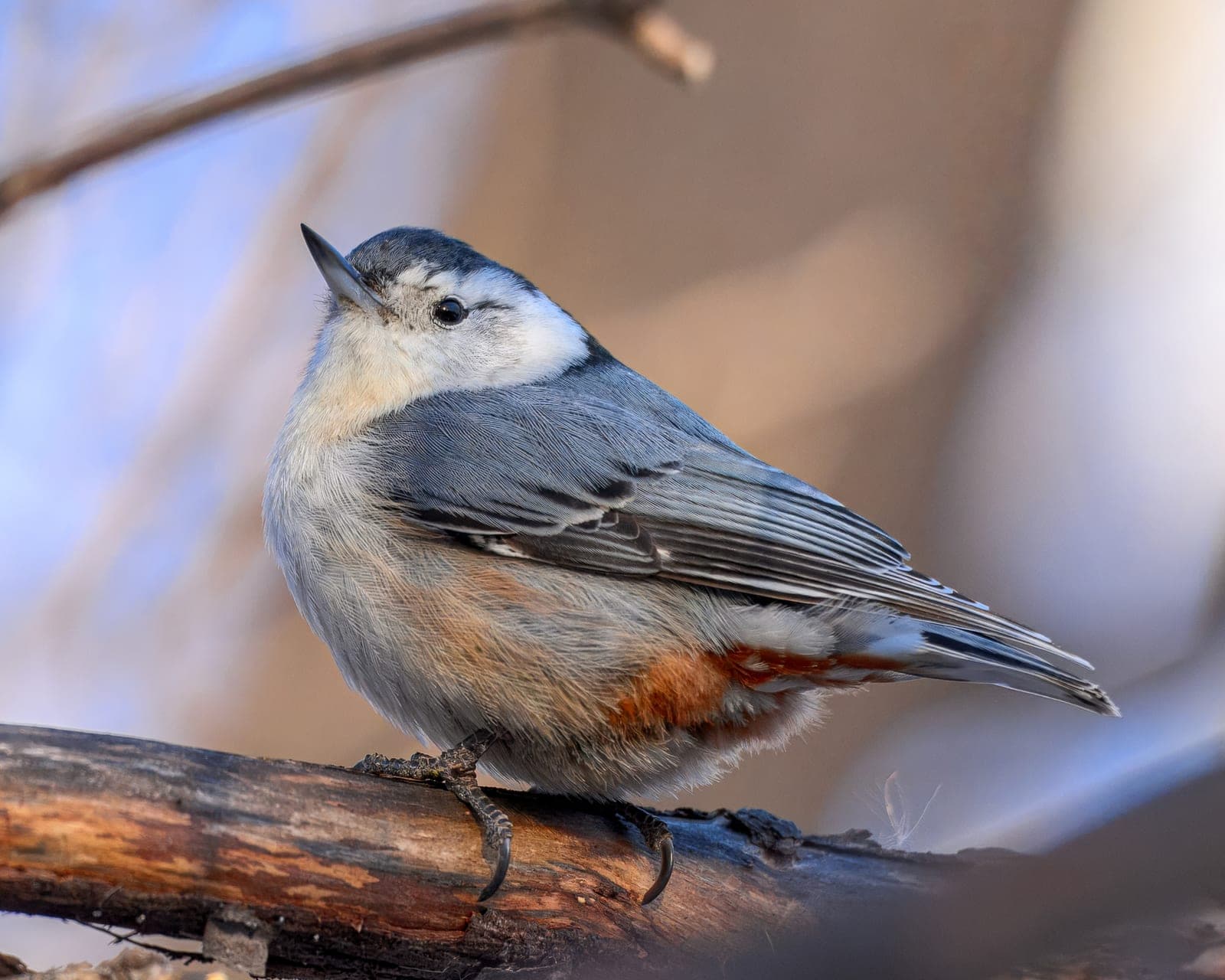
The White-breasted Nuthatch is the compact gray-and-white bird that walks headfirst down tree trunks, calling a nasal 'yank-yank' as it goes. It is a year-round resident of mature woods and leafy yards across most of the continent, a regular at feeders, and one of the few birds that habitually climbs downward as easily as up.

Read the full guide →
American Goldfinch

Spinus tristis

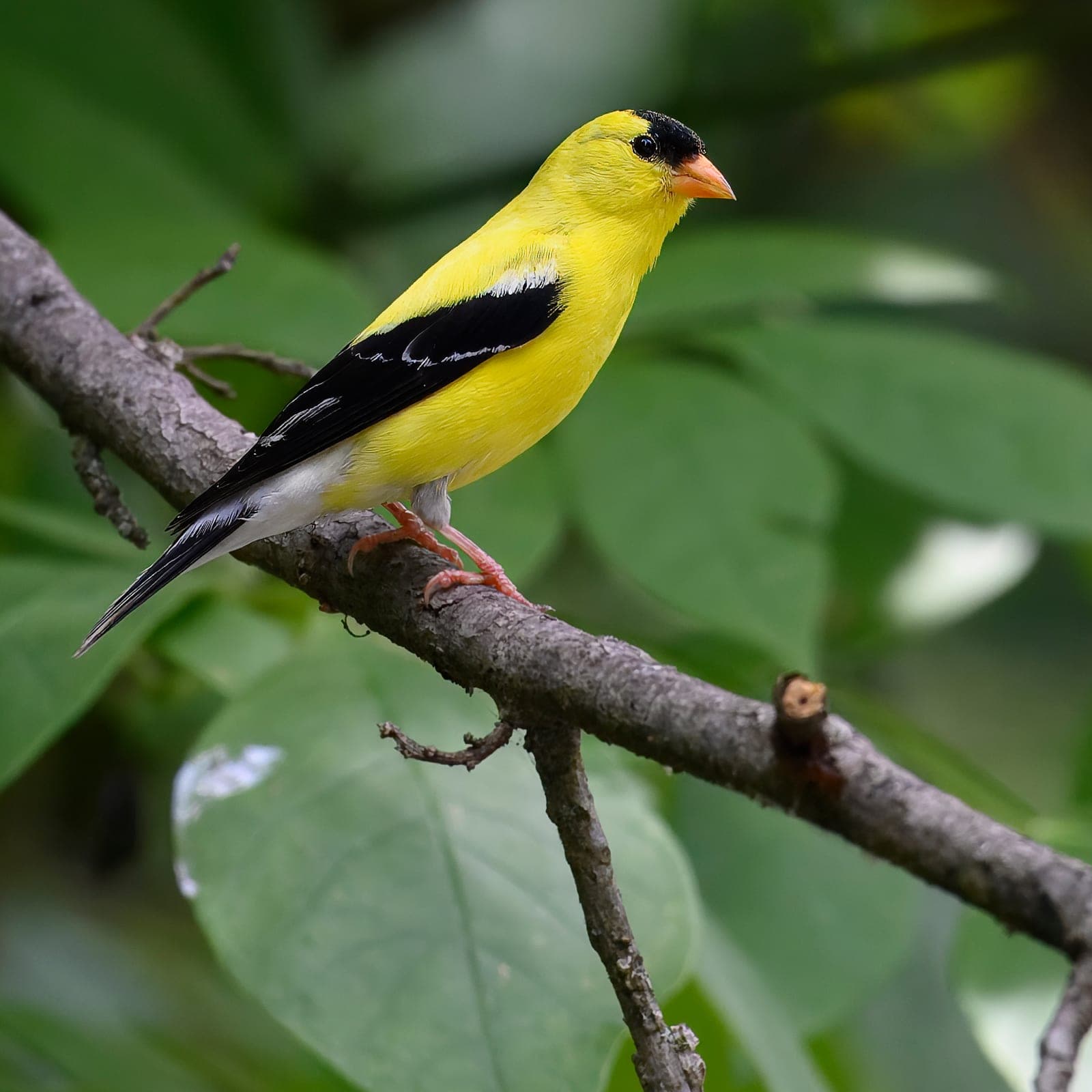
The American goldfinch is the lemon-yellow 'wild canary' of summer roadsides and backyard feeders, a small seed-eating finch found across most of the United States and southern Canada. It changes its whole look twice a year, and it waits until late summer to nest, when thistles and other wildflowers finally go to seed.

Read the full guide →
House Finch

Haemorhous mexicanus

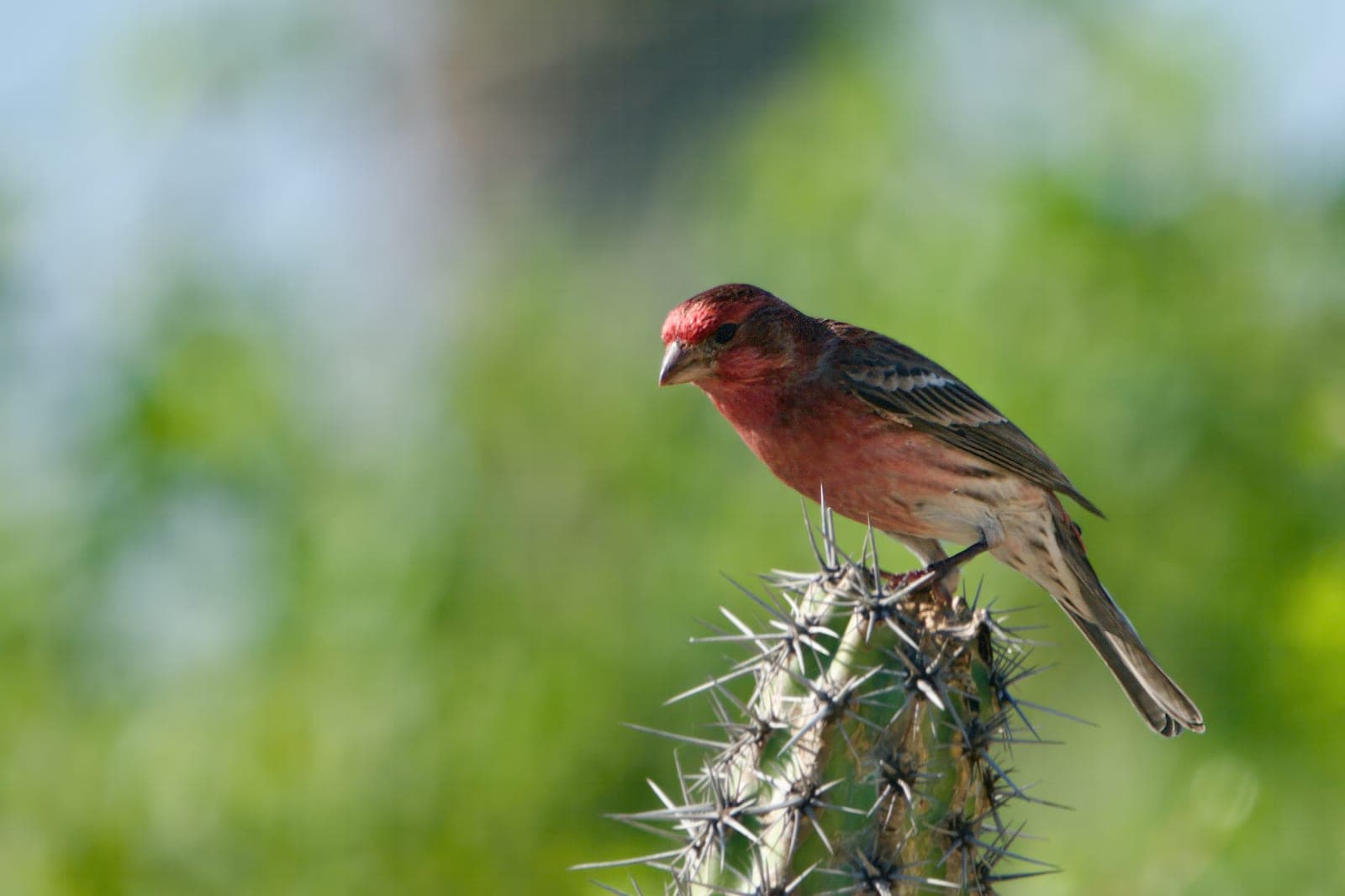
The house finch is the red-headed finch that warbles from rooftops and crowds sunflower feeders across most of the United States. Native to the West and Mexico, it reached the East only after caged birds were turned loose on Long Island in 1940, and it is now one of the most familiar backyard birds on the continent.

Read the full guide →
House Sparrow

Passer domesticus

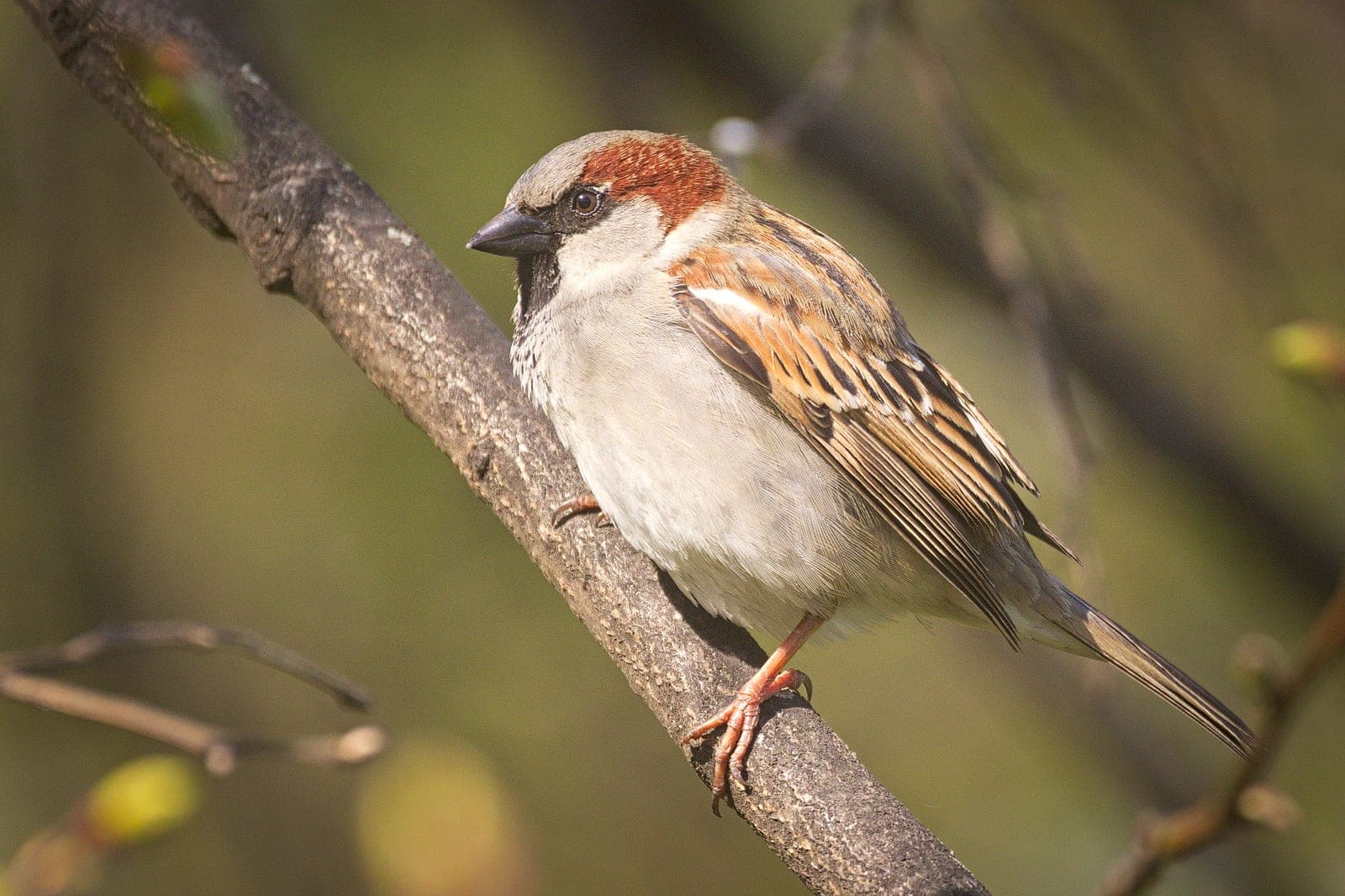
The house sparrow is the chirping little bird of parking lots, barns and city sidewalks, and despite the name it is not one of North America's native sparrows. It was shipped from England to Brooklyn in the early 1850s, nested from coast to coast by about 1910, and is now one of the most widespread birds on Earth, even as its North American numbers have fallen steeply since the 1960s.

Read the full guide →
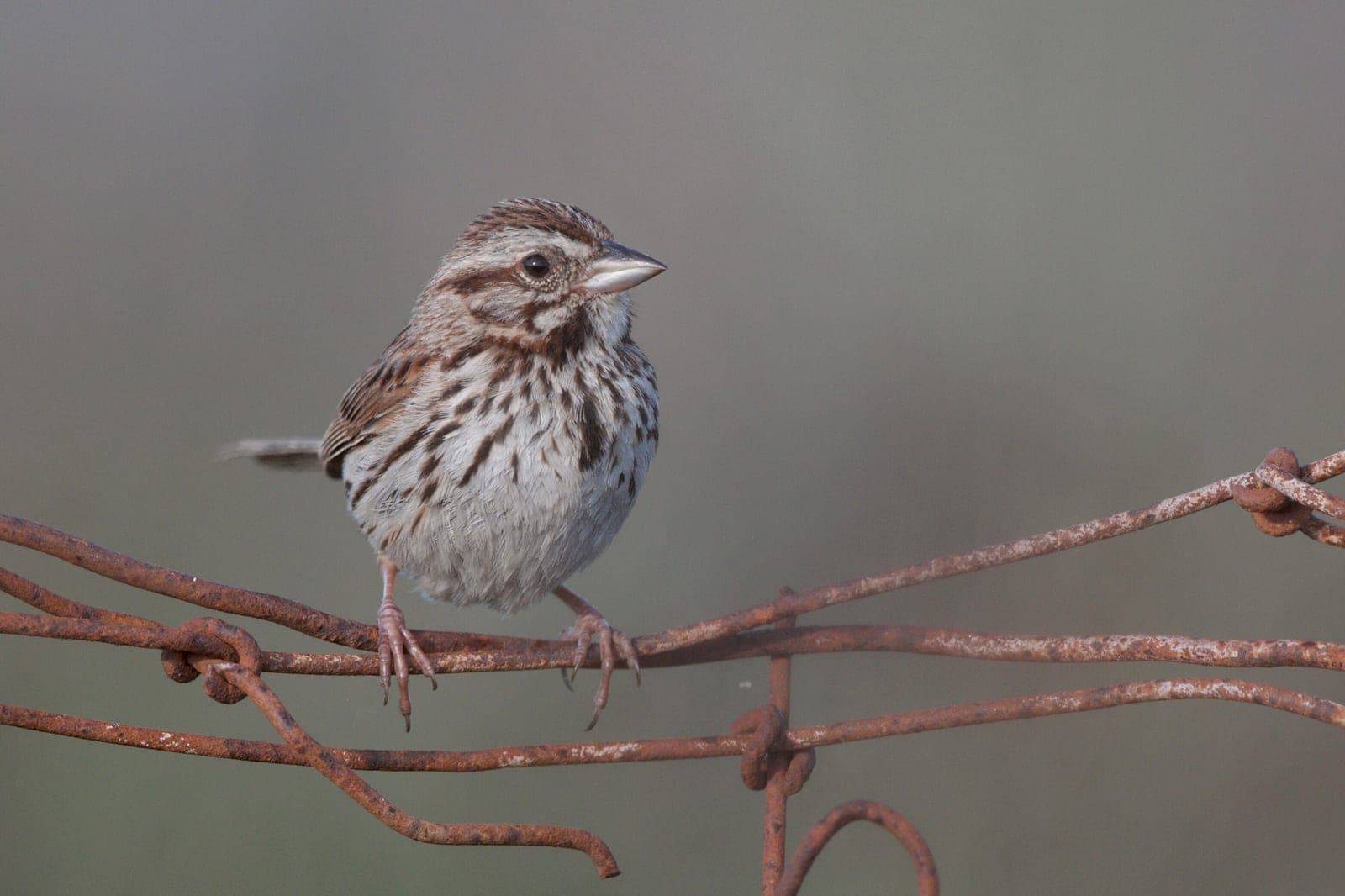
Song Sparrow

Melospiza melodia

The song sparrow is the streaky brown sparrow that sings from the top of a shrub in brushy yards, marsh edges and roadside thickets across nearly all of North America. It is one of the continent's most abundant native sparrows and one of its most variable, ranging from small, pale birds in desert marshes to big, dark ones on the Aleutian Islands.

Read the full guide →
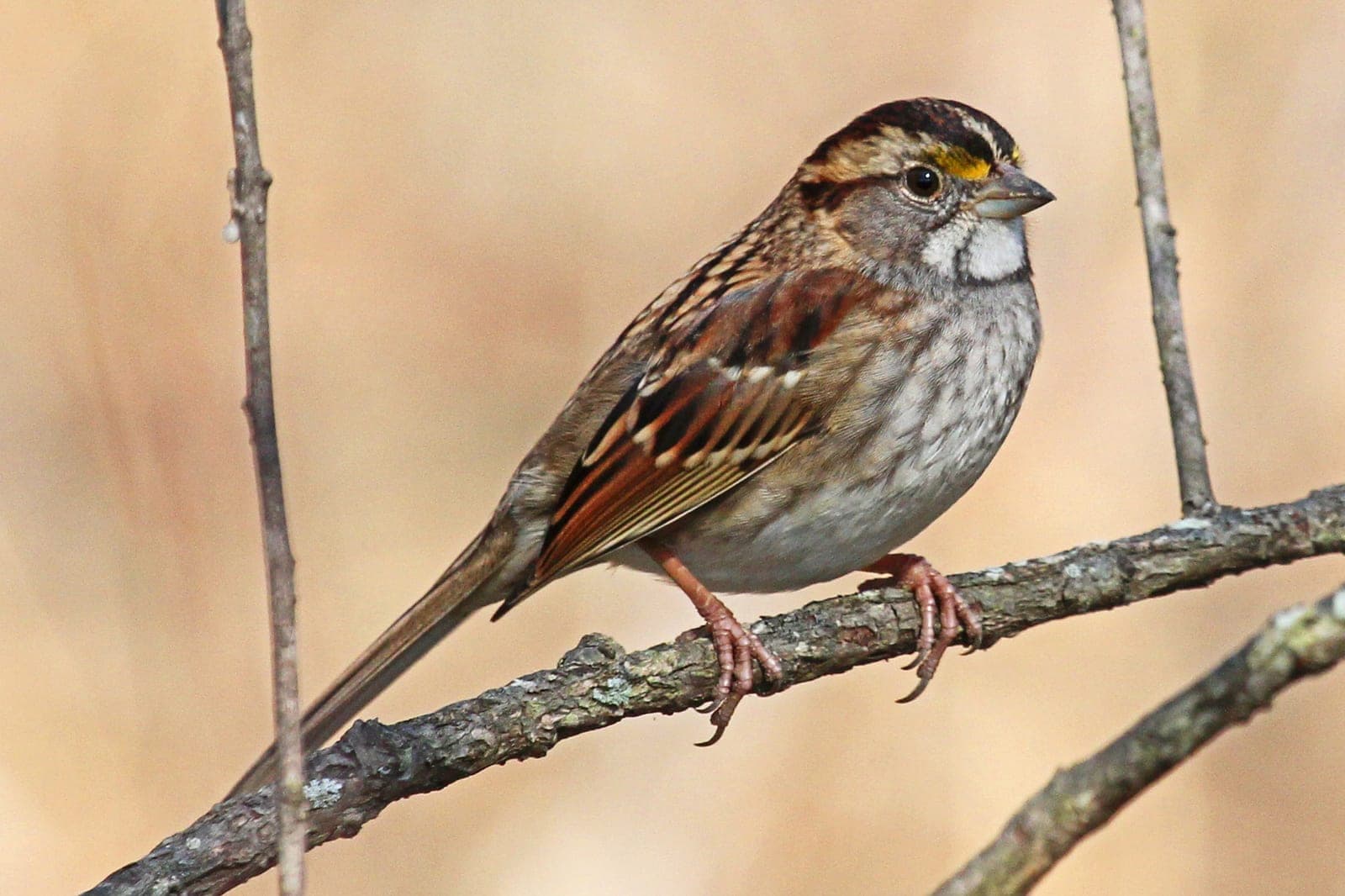
White-throated Sparrow

Zonotrichia albicollis

The white-throated sparrow is the stripe-headed sparrow that scratches through dead leaves under eastern feeders all winter and whistles its slow, pure 'Old Sam Peabody' song across the northern woods in summer. It is also famous among biologists: the species comes in two genetically fixed color forms, and birds almost always pair with a mate of the other form.

Read the full guide →
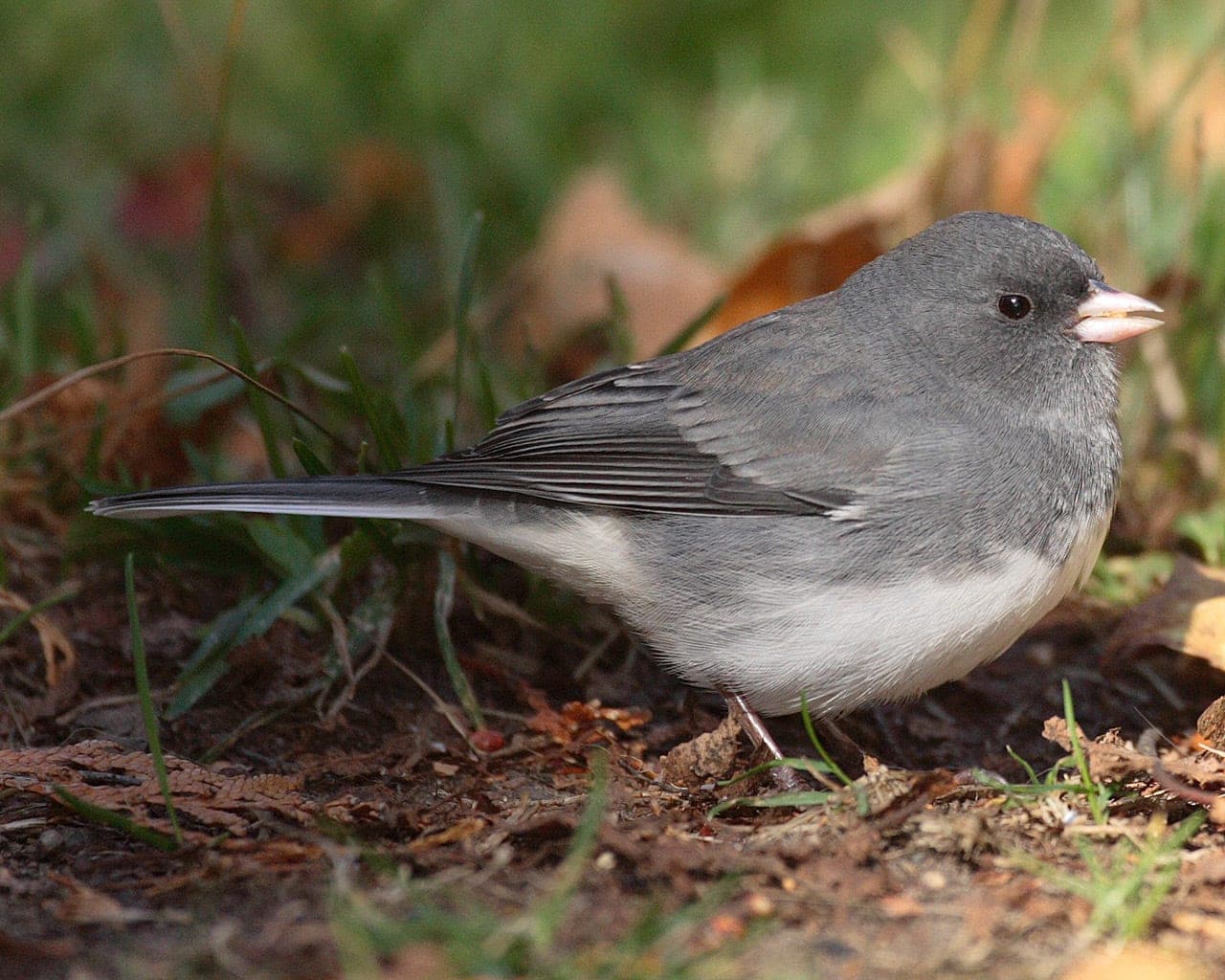
Dark-eyed Junco

Junco hyemalis

The dark-eyed junco is the gray-and-white 'snowbird' that appears under feeders across most of the country just as winter sets in. It is one of North America's most abundant birds and one of its most variable: half a dozen distinct-looking forms, from slate-gray eastern birds to brown-backed Oregon juncos in the West, all belong to the same species.

Read the full guide →

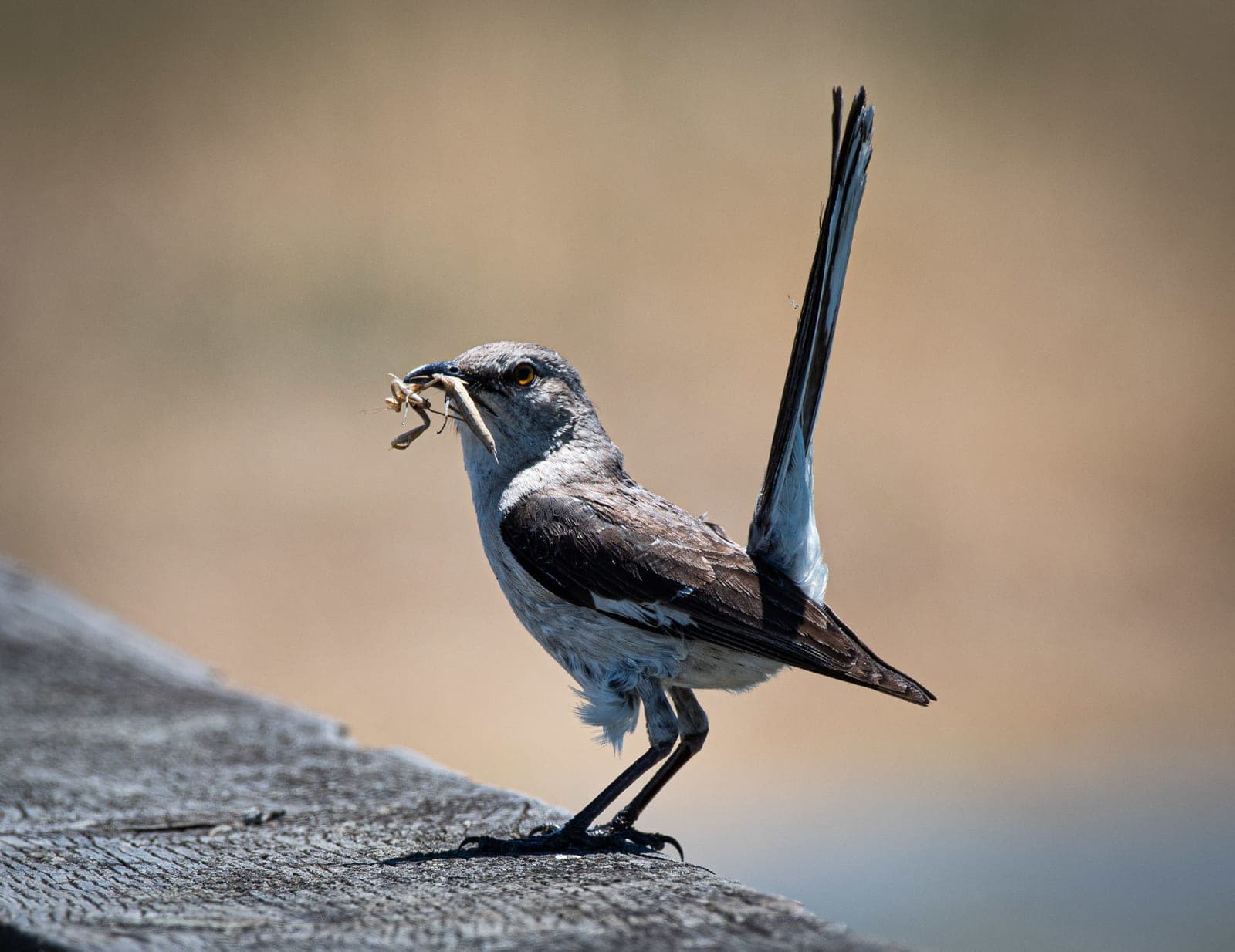
Northern Mockingbird

Mimus polyglottos

The northern mockingbird is a slim gray songbird with flashing white wing patches and a voice that seems to hold every other bird in the neighborhood. It sings from rooftops and wires all day and, in spring, often all night, and it is the state bird of Arkansas, Florida, Mississippi, Tennessee and Texas.

Read the full guide →

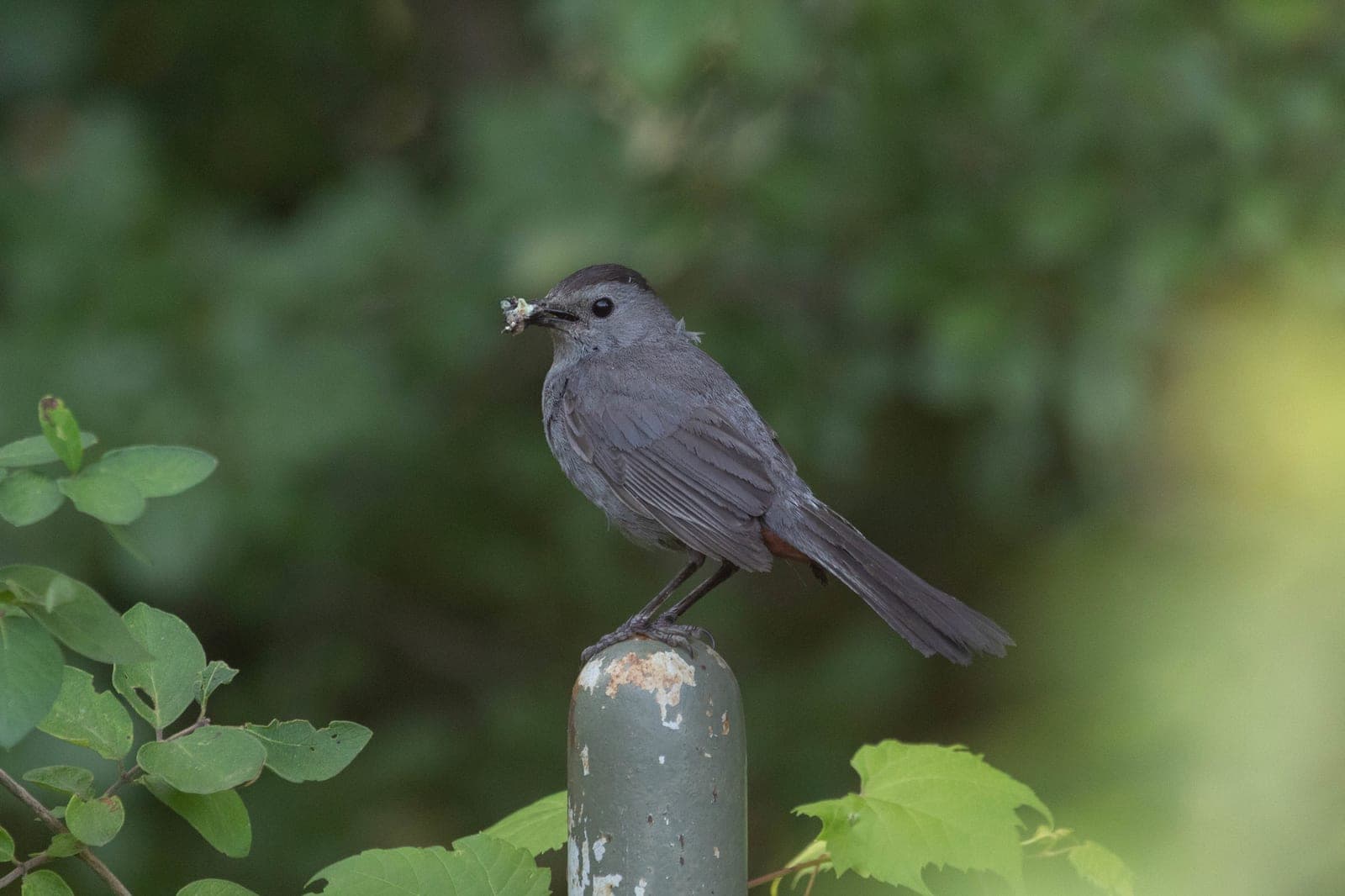
Gray Catbird

Dumetella carolinensis

The gray catbird is a slim, slate-gray thicket bird best known for its call, a whining, cat-like 'mew' from deep inside a hedge. A relative of mockingbirds and thrashers, it is a tireless singer and mimic, and a common summer resident of shrubby yards, woodland edges and streamside tangles across much of the United States and southern Canada.

Read the full guide →

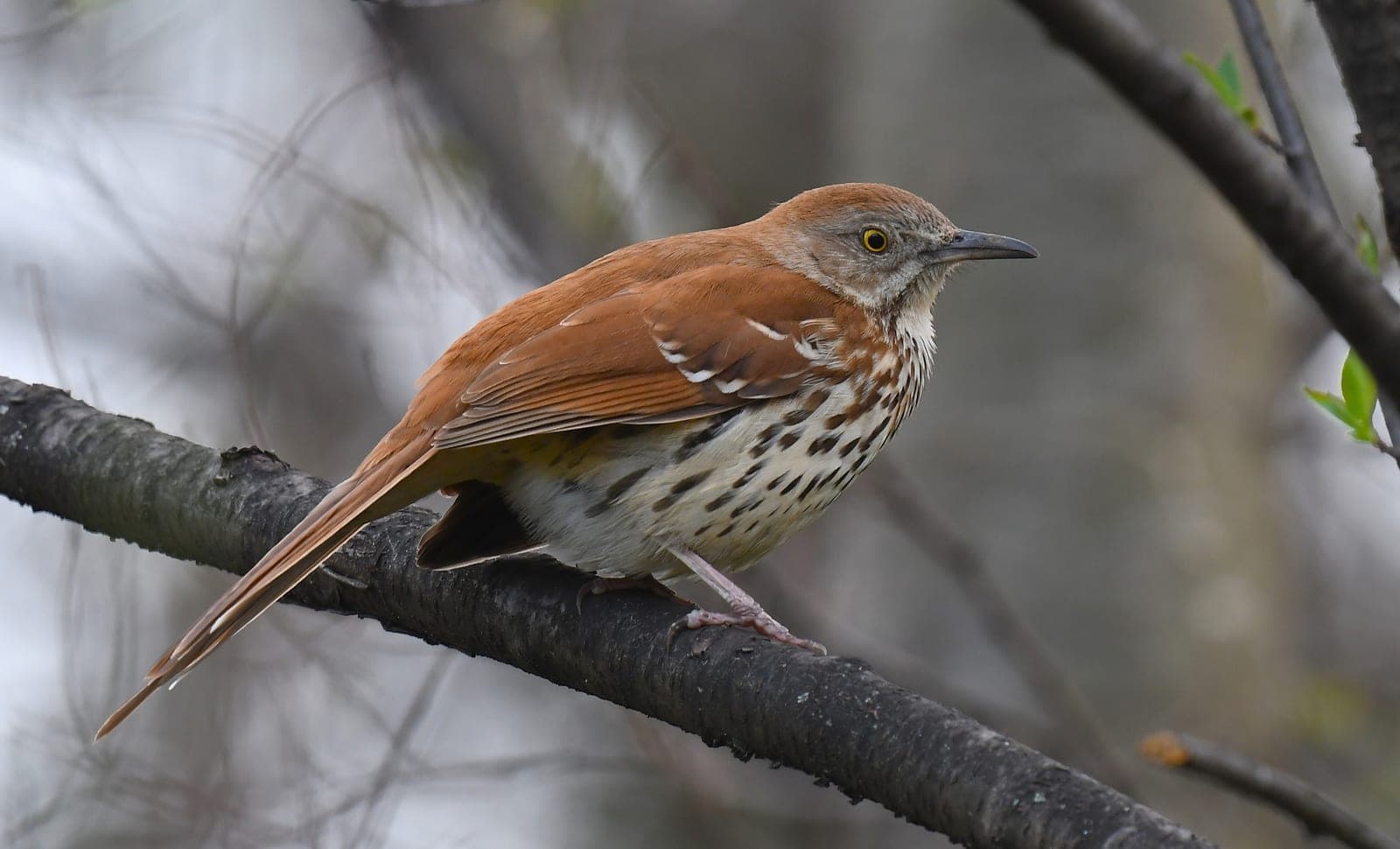
Brown Thrasher

Toxostoma rufum

The brown thrasher is a long-tailed, fox-red songbird of eastern thickets with piercing yellow eyes and one of the largest song repertoires of any North American bird. It is Georgia's state bird, and in spring males sing loud, doubled phrases from treetops across the East and the Great Plains.

Read the full guide →

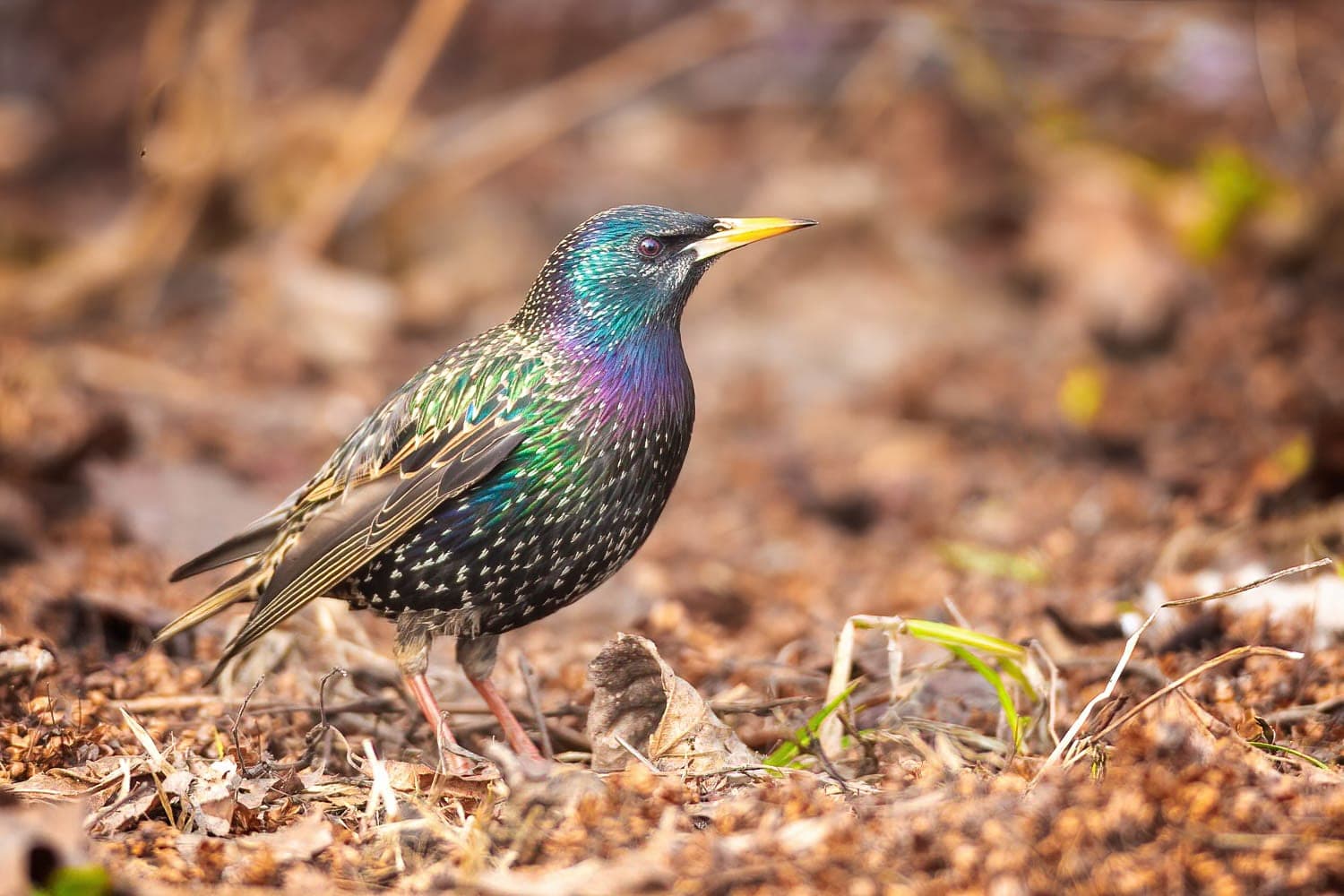
European Starling

Sturnus vulgaris

The European starling is a stocky, short-tailed, glossy black songbird that arrived in North America as a deliberate release in New York's Central Park in 1890 and 1891. Tens of millions now live from Alaska to Mexico, admired for their mimicry and their swirling winter flocks, and resented for crowding native birds out of nest holes and raiding crops.

Read the full guide →

Common Grackle

Quiscalus quiscula

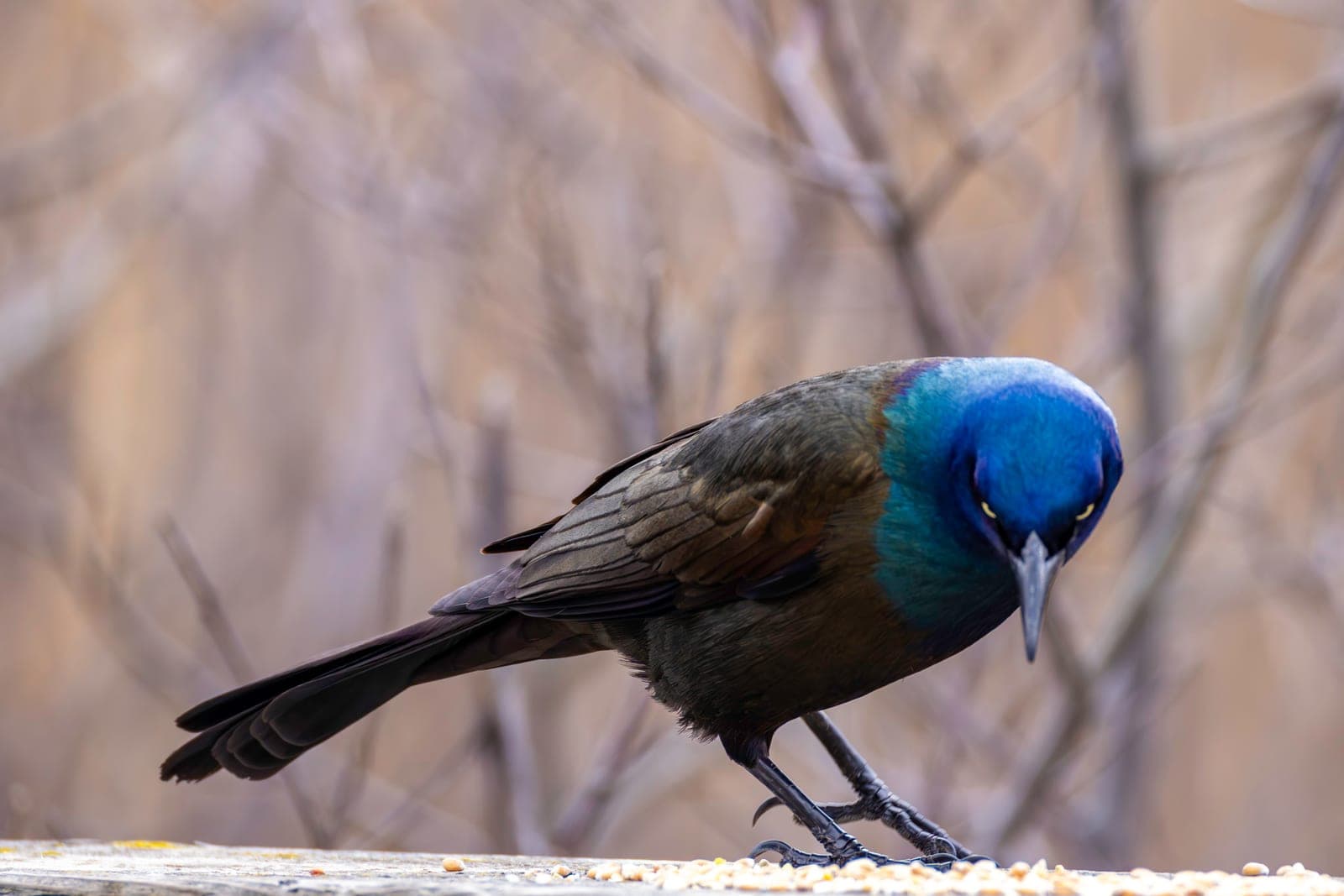
The common grackle is the big, long-tailed blackbird with glaring yellow eyes and a purple-and-bronze sheen that struts across lawns, parks and parking lots east of the Rockies. It is still a familiar bird, but it has lost roughly half its population since the 1960s, enough that it is now listed as Near Threatened worldwide.

Read the full guide →

Baltimore Oriole

Icterus galbula

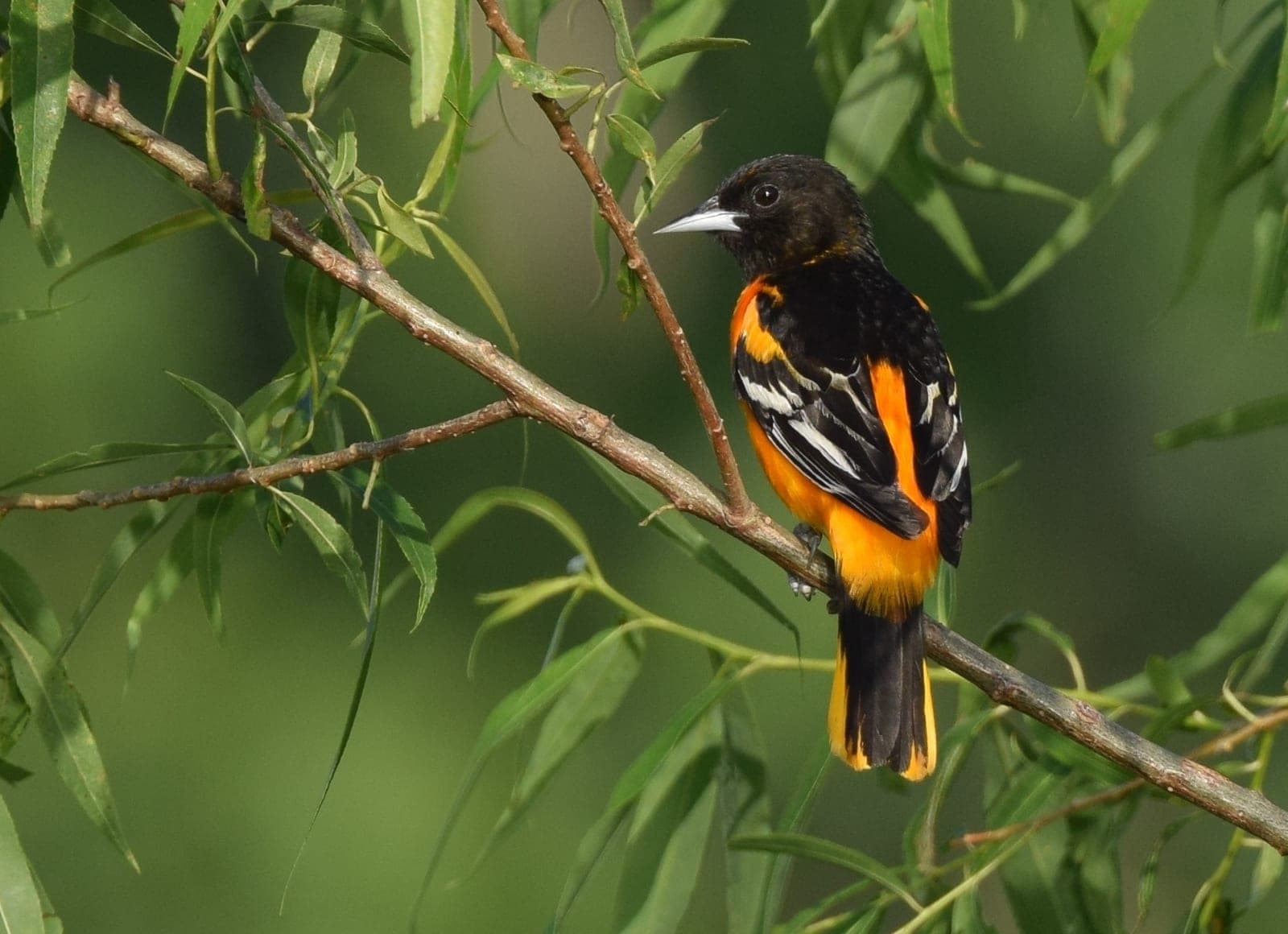
The Baltimore Oriole is the flame-orange and black songbird that whistles from the tops of eastern shade trees each May and weaves a hanging, sock-shaped nest at the tip of a drooping branch. It is Maryland's state bird and the namesake of the city's baseball team, and few birds are easier to coax into a backyard: a halved orange or a dab of grape jelly will often do it.

Read the full guide →

Ruby-throated Hummingbird

Archilochus colubris

The Ruby-throated Hummingbird is the only hummingbird that nests in eastern North America and the one behind nearly every sugar-water feeder east of the Great Plains. Weighing about a tenth of an ounce, it still migrates between Canada and Central America, and some cross the Gulf of Mexico in a single nonstop flight.

Read the full guide →

Anna's Hummingbird

Calypte anna

Anna's Hummingbird is the year-round hummingbird of the Pacific Coast, the one that keeps visiting feeders in Seattle and Vancouver through snow and freezing nights. Once limited to California and Baja California, it has spread north to British Columbia and east into Arizona, and the male's rose-pink head and steep, popping courtship dive make it one of the most striking birds in western yards.

Read the full guide →

Eastern Phoebe

Sayornis phoebe

The Eastern Phoebe is a plain gray-brown flycatcher with a habit that makes it easy to know: it wags its tail constantly and says its own name, 'fee-bee.' One of the first migrants back in spring, it nests on ledges under bridges, porches and barn eaves, which puts it right alongside people across eastern North America.

Read the full guide →

Carolina Wren

Thryothorus ludovicianus

The Carolina Wren is a small, rusty-brown bird with a bold white eyebrow and a voice far too big for its body: its ringing 'teakettle-teakettle-teakettle' carries across eastern yards and woods in every month of the year. It is South Carolina's state bird, a fixture of brushy backyards, and a famously creative nester that will move into a mailbox, a tin can or a coat pocket in a shed.

Read the full guide →

House Wren

Troglodytes aedon

The House Wren is the small, plain brown bundle of energy that moves into backyard birdhouses every spring and fills the yard with a bubbling, run-on song. It is one of the most common birds of North American towns and farms, and also one of the feistiest: males stuff twigs into every cavity they can find, and pairs will pierce the eggs of neighboring birds.

Read the full guide →

Downy Woodpecker

Dryobates pubescens

The downy woodpecker is the smallest woodpecker in North America and, for most people, the first one they ever identify: a sparrow-sized black-and-white bird clinging to a suet cage or tapping along a backyard maple. It lives year-round across most of the continent, joins winter flocks of chickadees and nuthatches, and turns up in city parks as readily as in deep woods.

Read the full guide →

Red-bellied Woodpecker

Melanerpes carolinus

The red-bellied woodpecker is the loud, zebra-backed woodpecker of Eastern yards and river woods, as at home on a suet feeder as in a river-bottom swamp. Its name trips up nearly everyone, because the obvious red is on the head and the belly shows only a faint rosy blush. Over recent decades it has pushed steadily north, and it is now a familiar bird in places where it was once a rarity.

Read the full guide →

Northern Flicker

Colaptes auratus

The northern flicker is a big brown woodpecker that spends much of its day on the ground, digging into anthills on lawns and pastures. When it flushes, a bright white rump and a flash of golden-yellow or salmon-red under the wings make it one of the most striking birds on the continent, and unlike most woodpeckers it is a true migrant in the North. Alabama, the Yellowhammer State, made the flicker its state bird.

Read the full guide →

Cooper's Hawk

Astur cooperii

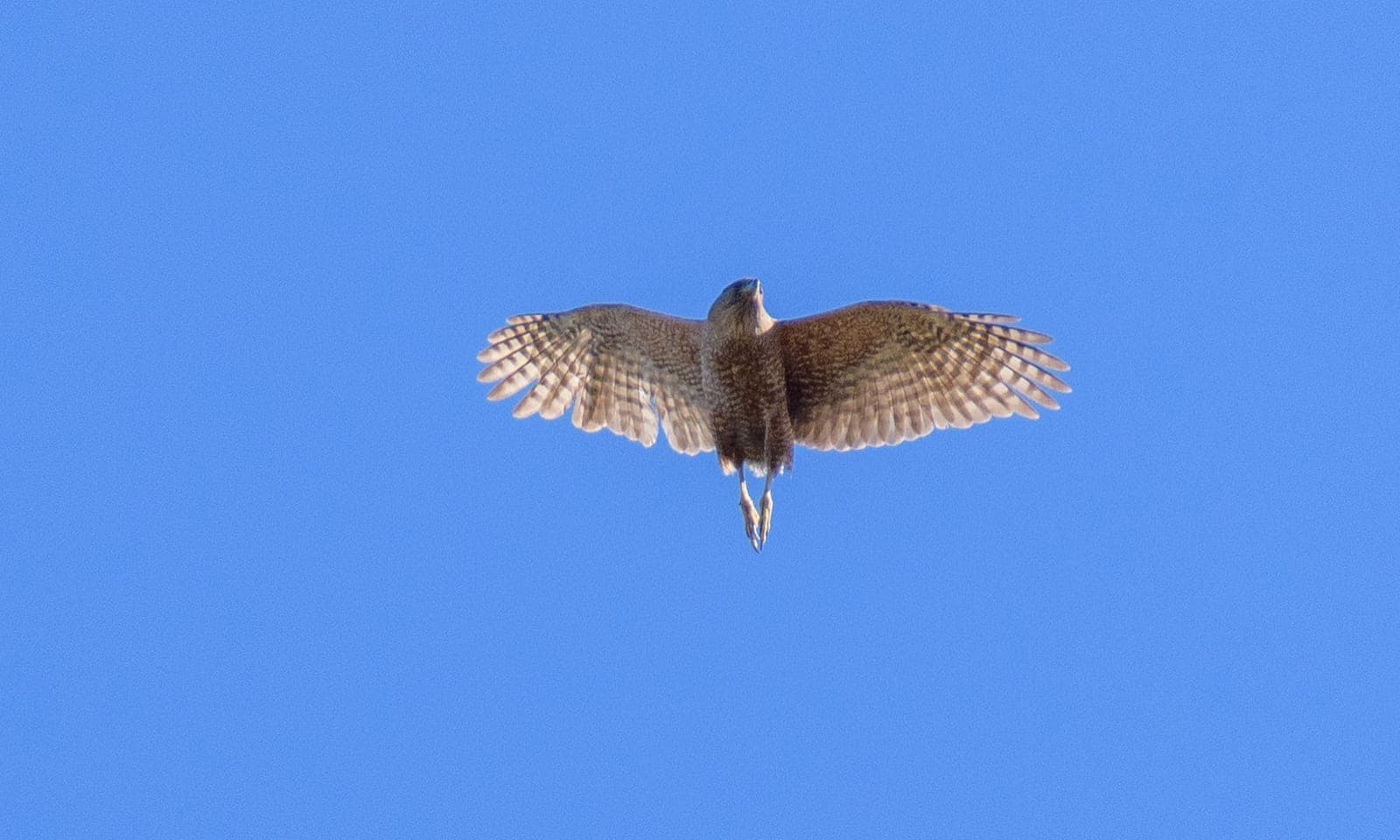
The Cooper's Hawk is the crow-sized hawk that bursts through a backyard and leaves a puff of feathers under the feeder. A bird-hunting specialist of woodlands and, more and more, of suburbs and cities, it is one of the hawks people see up close most often — and one of the hardest to tell from its smaller cousin, the Sharp-shinned Hawk.

Read the full guide →

Rock Pigeon

Columba livia

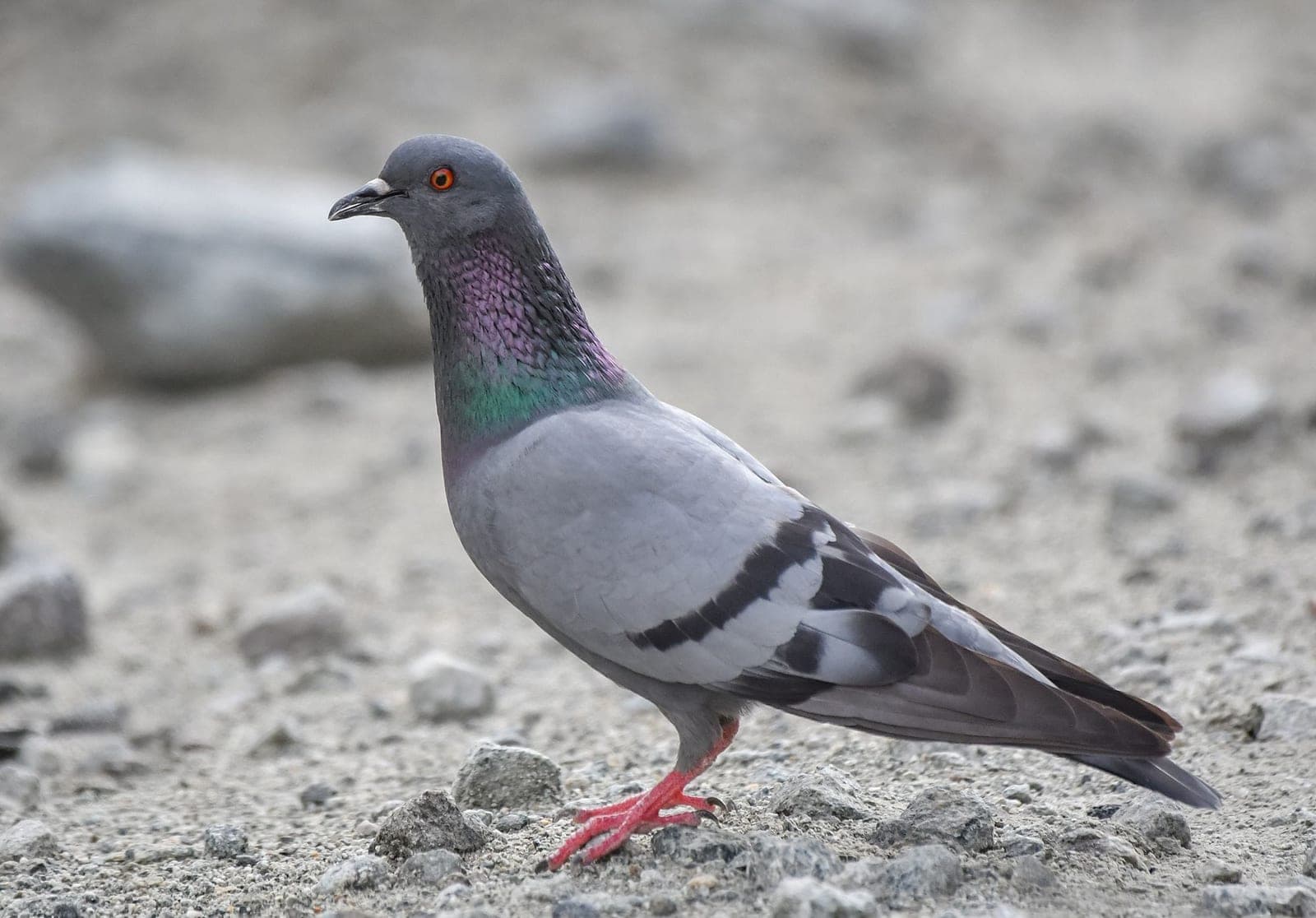
The rock pigeon is the familiar city pigeon, a bird so tied to people that most North Americans see one every day. It is not native here: European colonists brought domestic pigeons to the continent in the early 1600s, and their free-flying descendants now live in nearly every town and farmyard from southern Canada to Mexico. Behind the street-corner flocks is a remarkable animal, domesticated for thousands of years, famous for homing, and a mainstay in the diet of city peregrine falcons.

Read the full guide →

Think you could name them from a few clues? A new mystery bird drops every day.

Play the daily bird game