Field guide · 15 birds

Water Birds

Lakes, marshes, rivers and coastlines hold some of the easiest birds to watch: long-legged herons stalking the shallows, pelicans and cormorants fishing in groups, and loons calling across northern lakes.

Most of them eat fish, so a fish-rich shoreline is the place to look, especially early in the morning.

At a glance

BirdGroupColorsHabitatRegionLengthWingspanDiet
Red-winged BlackbirdBlackbirds & oriolesBlack, Red, YellowWetlandsNationwide8 in14 inSeeds
Yellow WarblerWood-warblersYellowWetlandsNationwide4.9 in7 inInsects
Common YellowthroatWood-warblersYellow, BlackWetlandsNationwide4.7 in7 inInsects
Tree SwallowSwallowsBlue, WhiteWetlandsNationwide5 in13 inInsects
Bald EagleHawks & eaglesBrown, WhiteWetlandsNationwide33 in80 inFish
OspreyOspreysBrown, WhiteWetlandsNationwide22 in65 inFish
Peregrine FalconFalconsGray, Black, WhiteCoastNationwide17 in41 inMeat
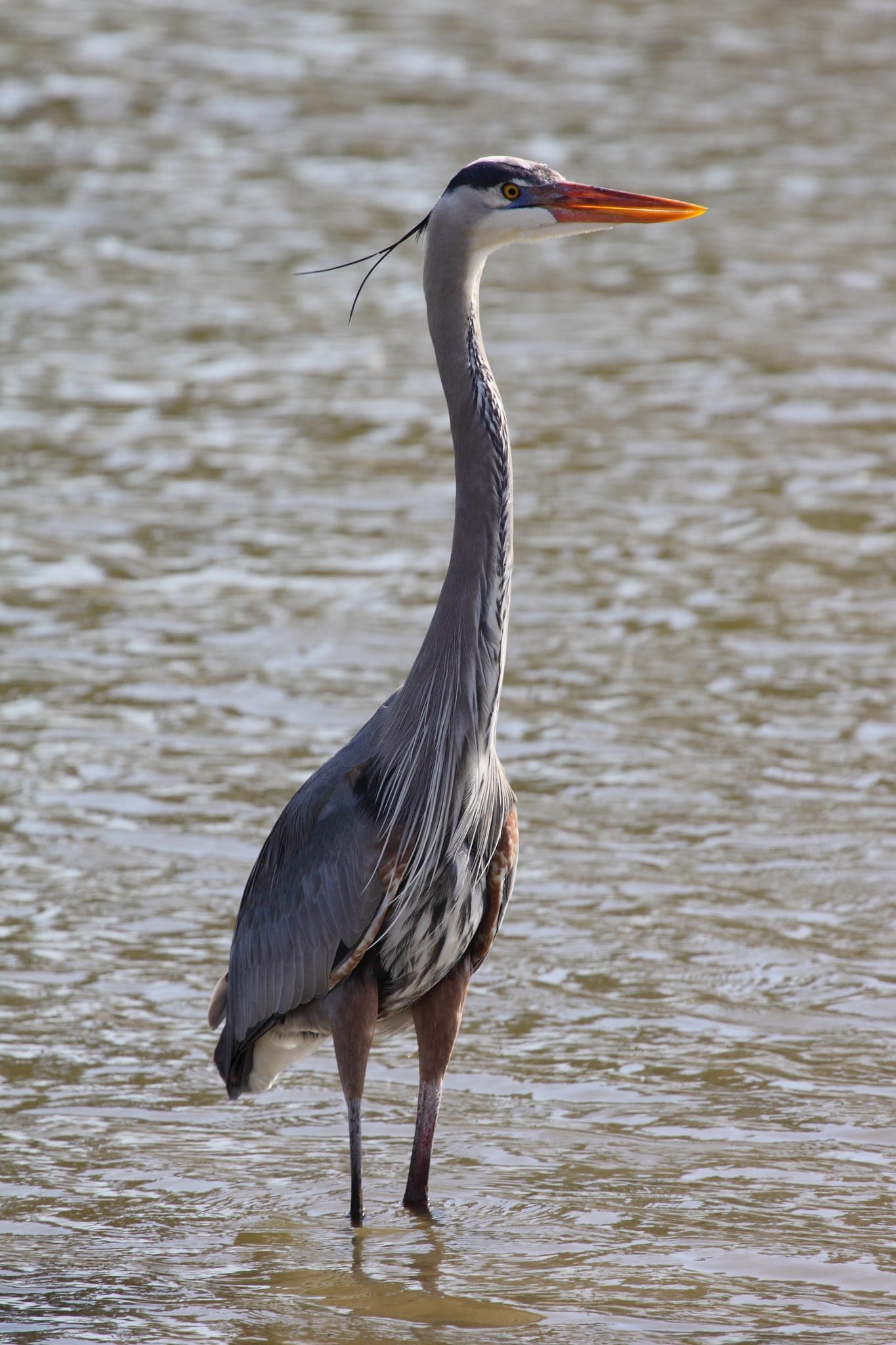
Great Blue HeronHerons & egretsGray, Blue, WhiteWetlandsNationwide46 in72 inFish
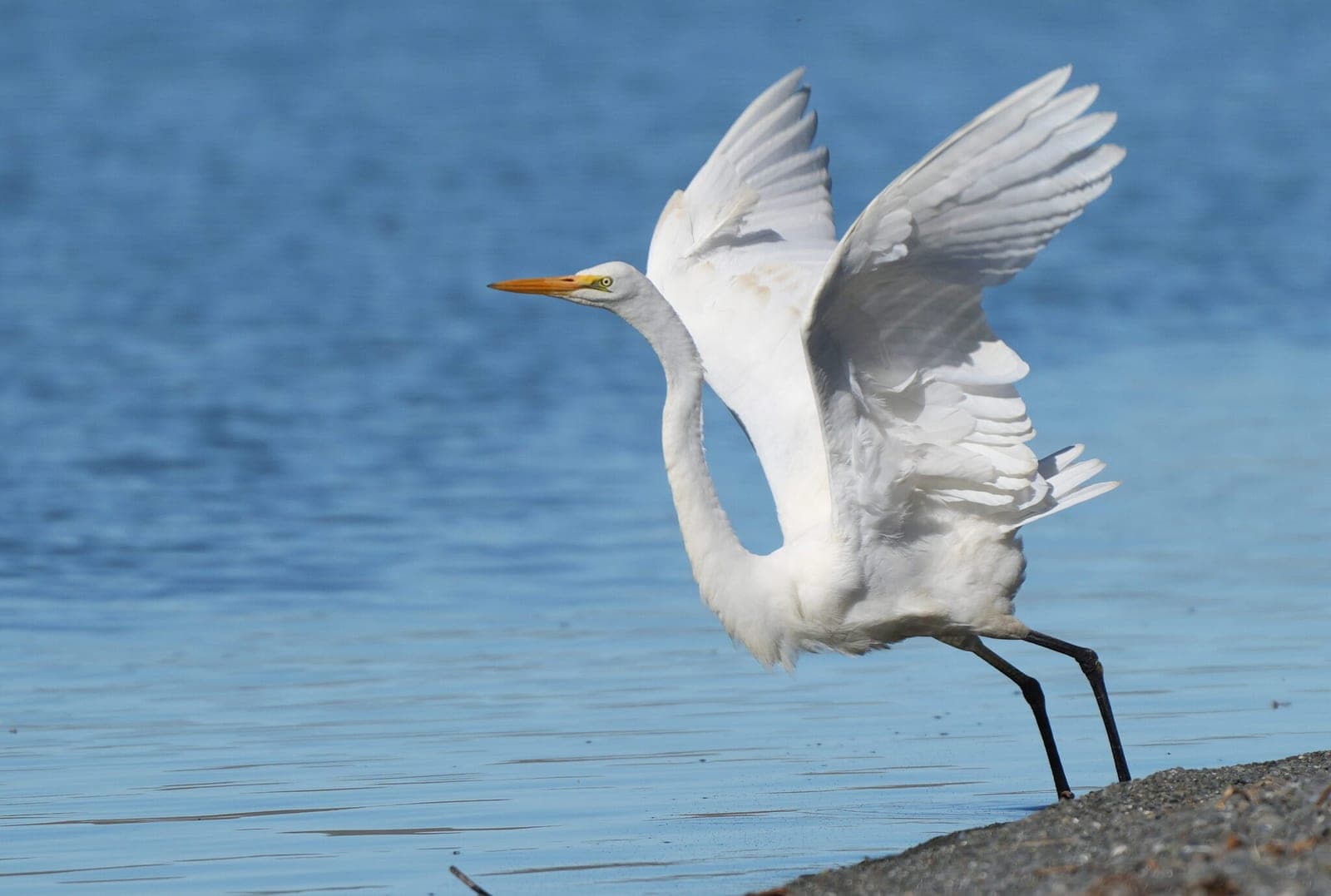
Great EgretHerons & egretsWhiteWetlandsSouthern39 in54 inFish
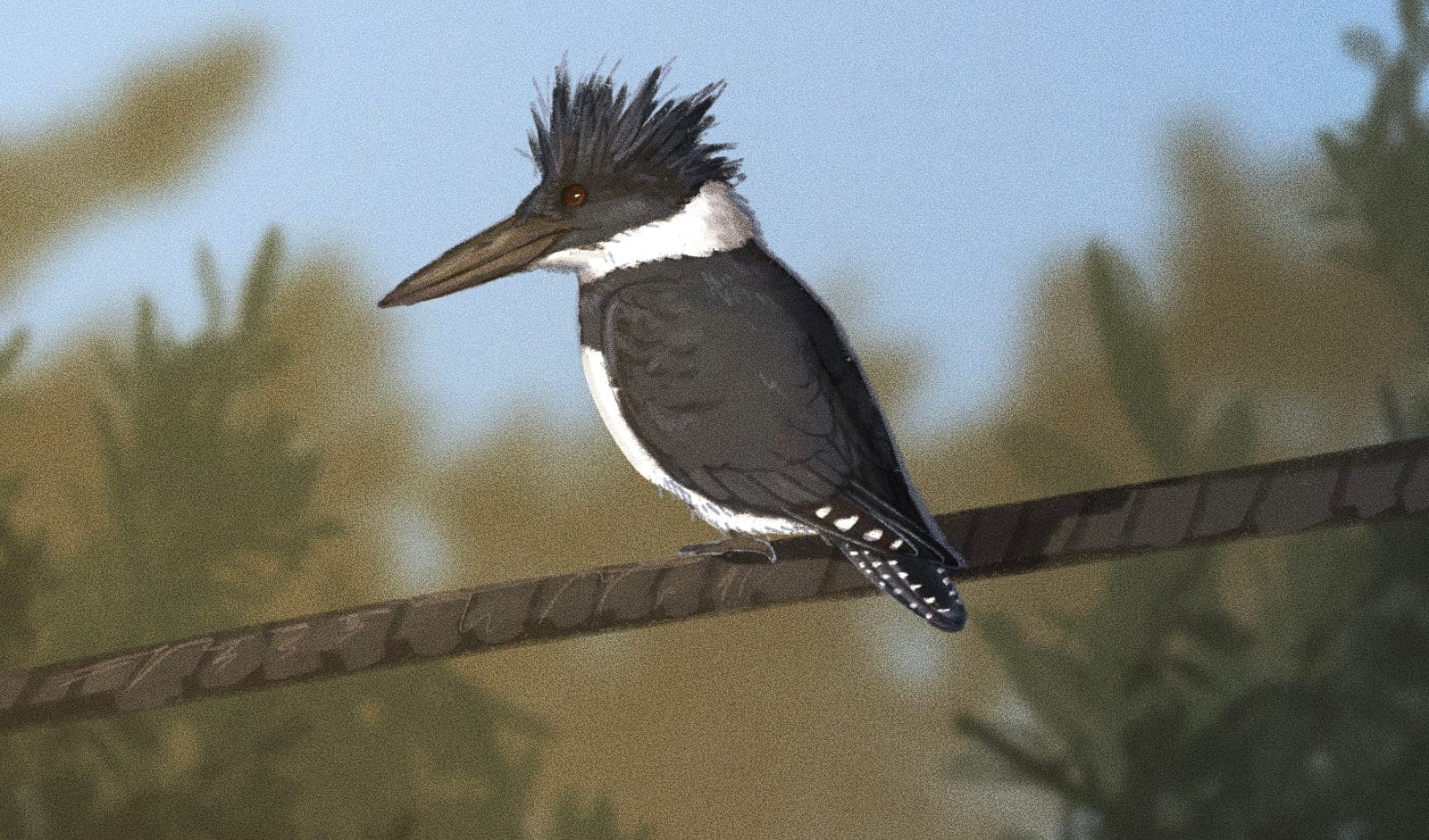
Belted KingfisherKingfishersBlue, WhiteWetlandsNationwide12 in21 inFish
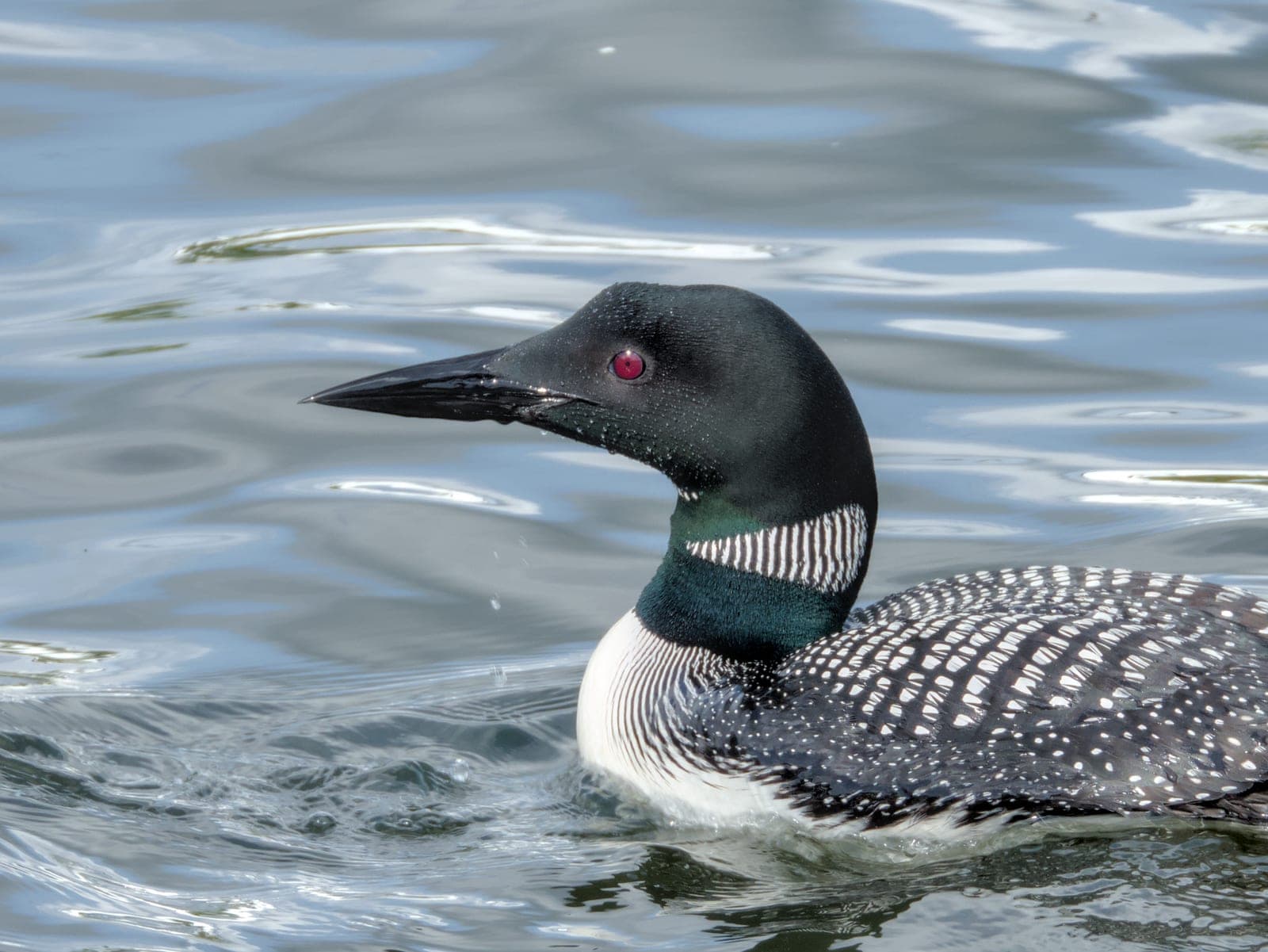
Common LoonLoonsBlack, WhiteWetlandsNorthern31 in46 inFish
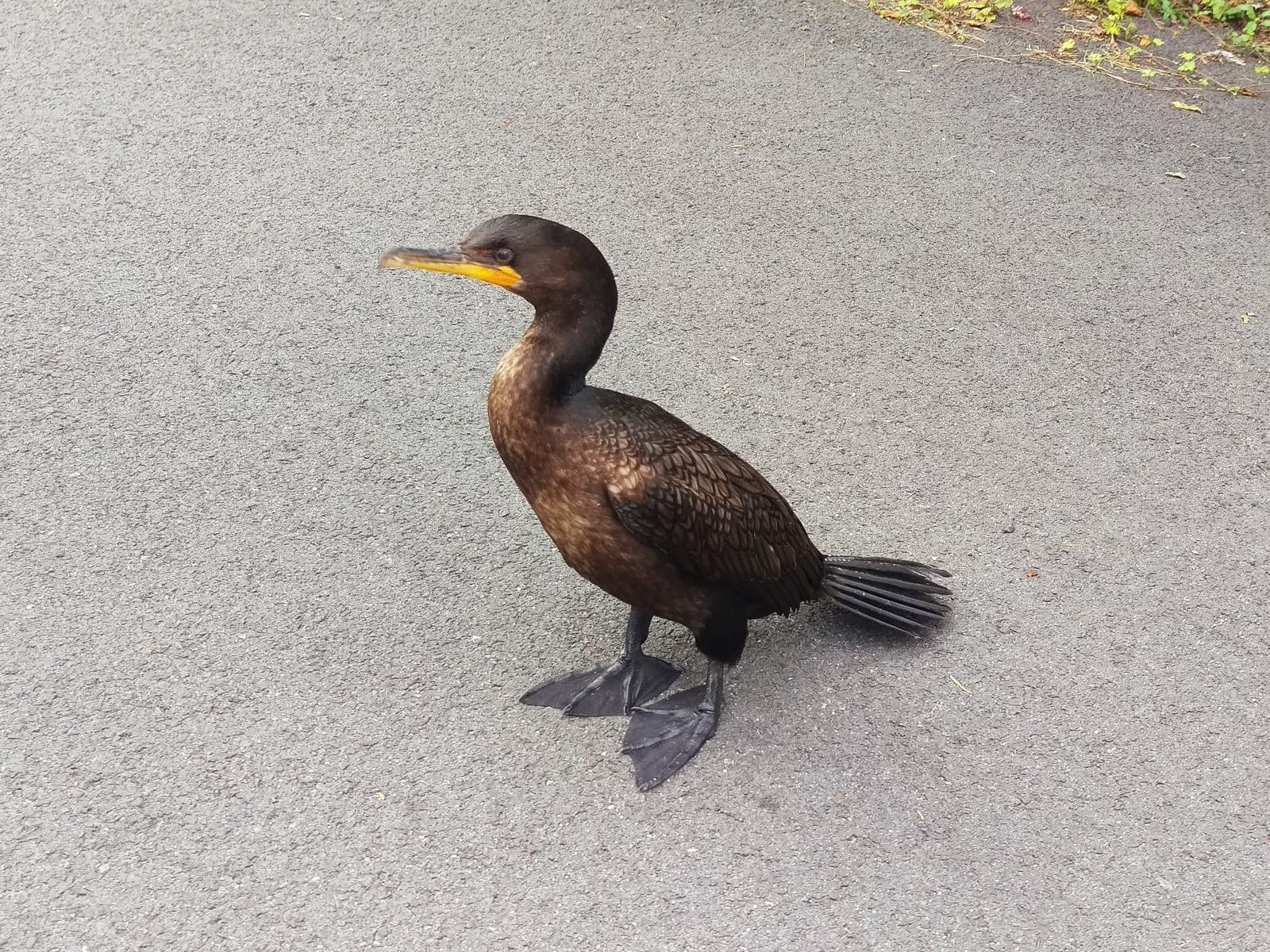
Double-crested CormorantCormorantsBlackWetlandsNationwide32 in47 inFish
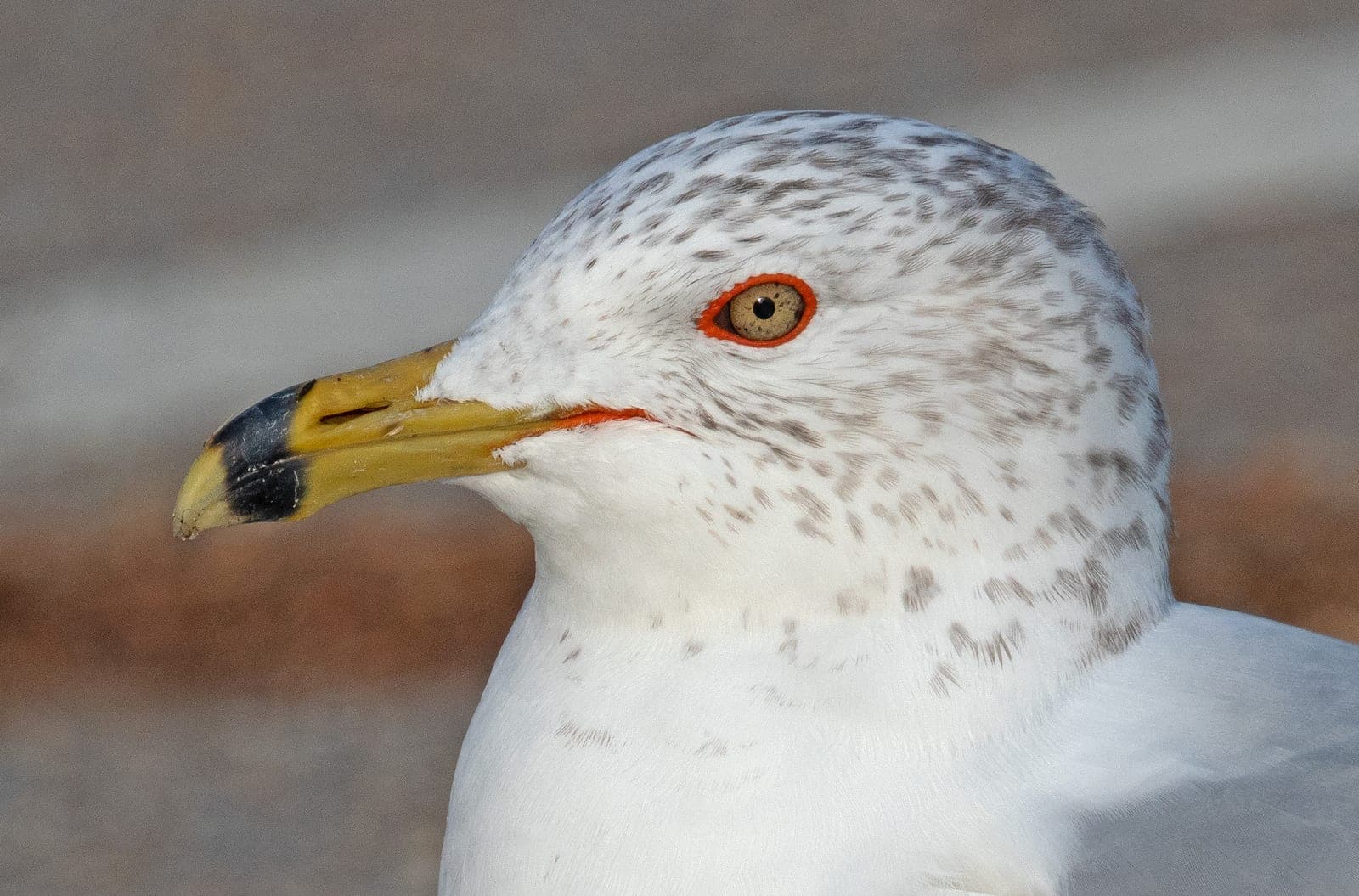
Ring-billed GullGulls & ternsWhite, Gray, BlackWetlandsNationwide19 in44 inOmnivore
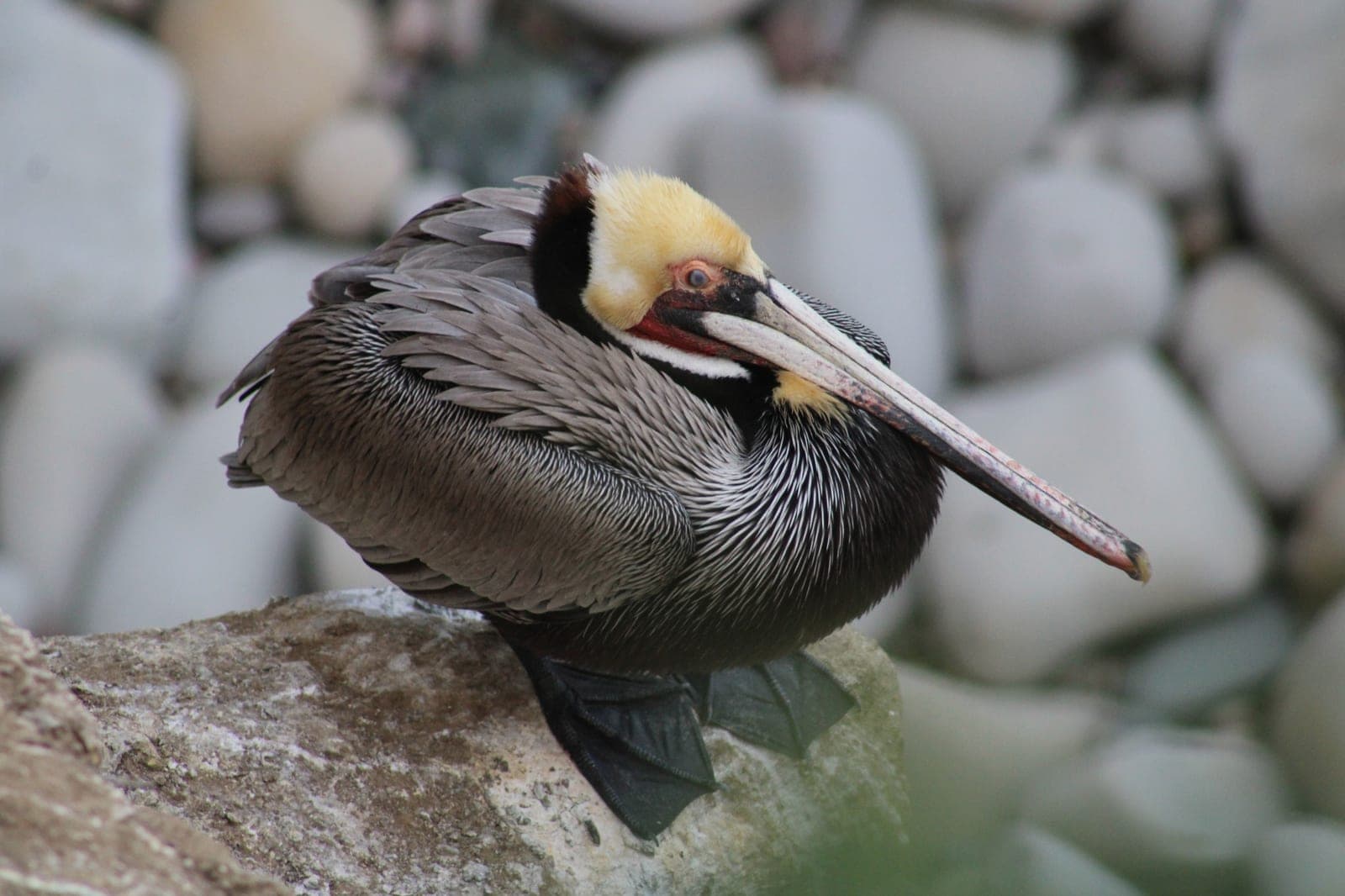
Brown PelicanPelicansBrown, Gray, WhiteCoastSouthern47 in79 inFish
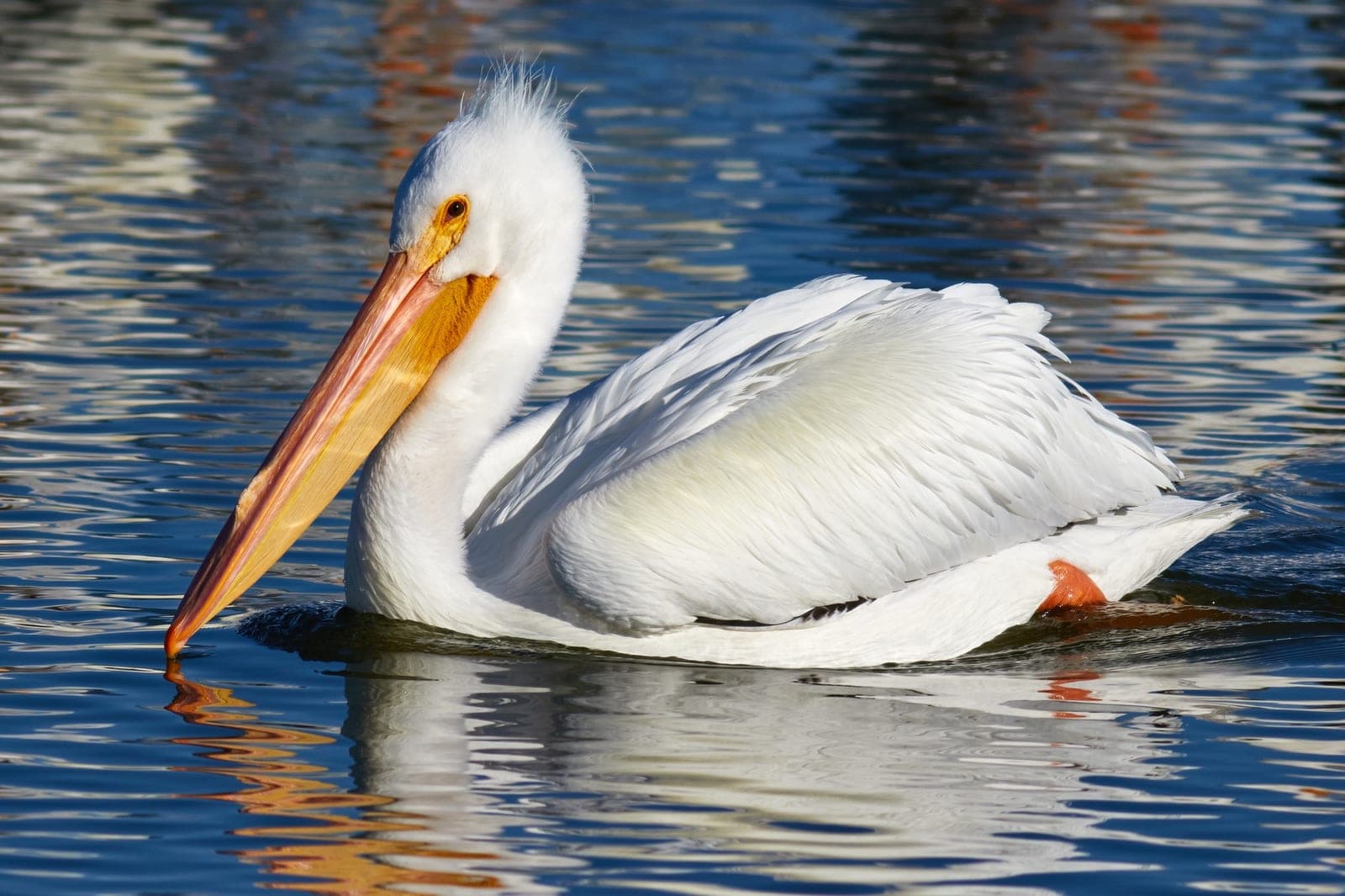
American White PelicanPelicansWhite, BlackWetlandsWestern58 in105 inFish

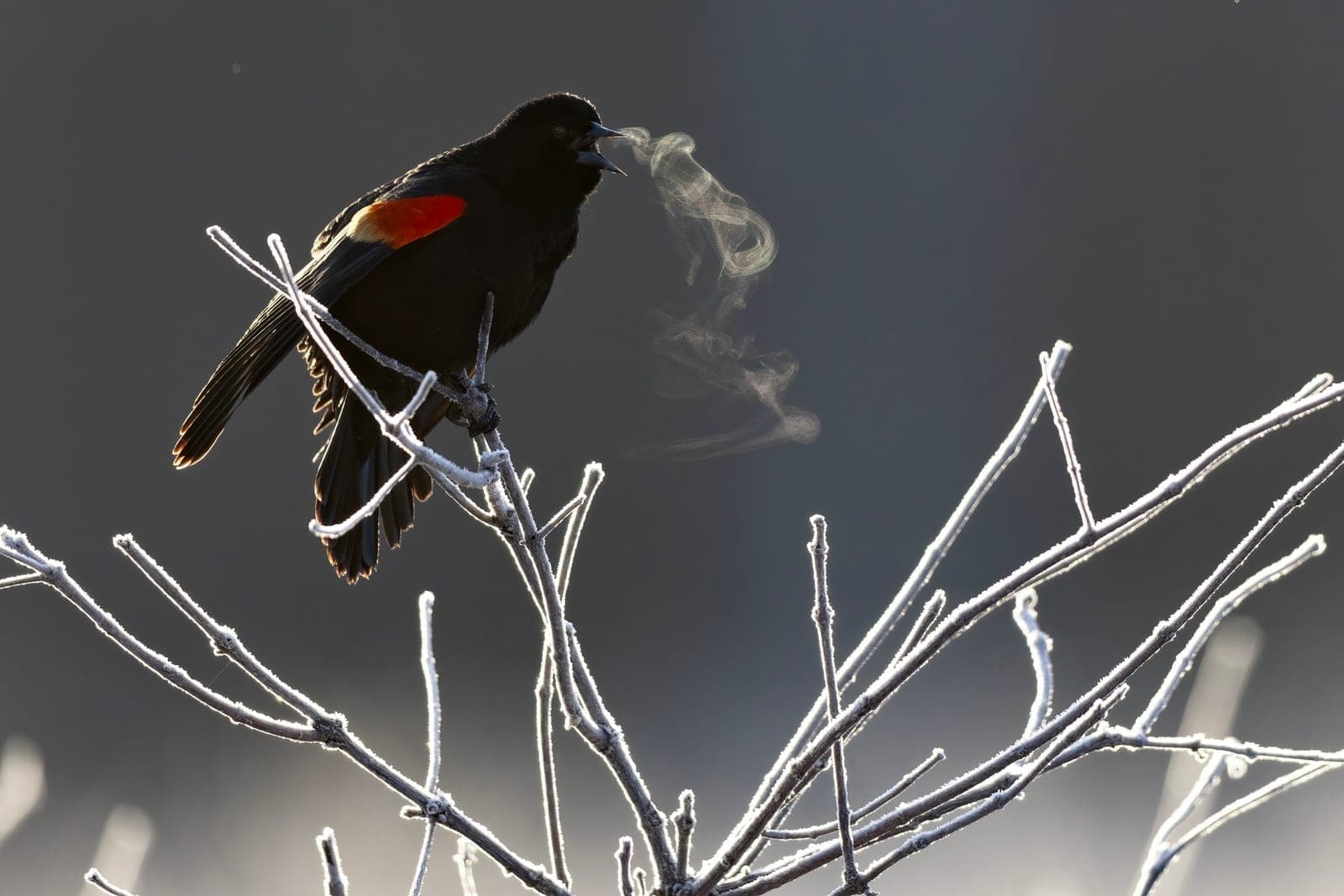
Red-winged Blackbird

Agelaius phoeniceus

The red-winged blackbird is the black bird with scarlet shoulder patches that sings 'conk-la-ree!' from cattails in nearly every marsh, ditch and wet field in North America. It is one of the continent's most abundant birds and one of the first migrants back each spring, when males return to stake out territories while snow still lingers.

Read the full guide →
Yellow Warbler

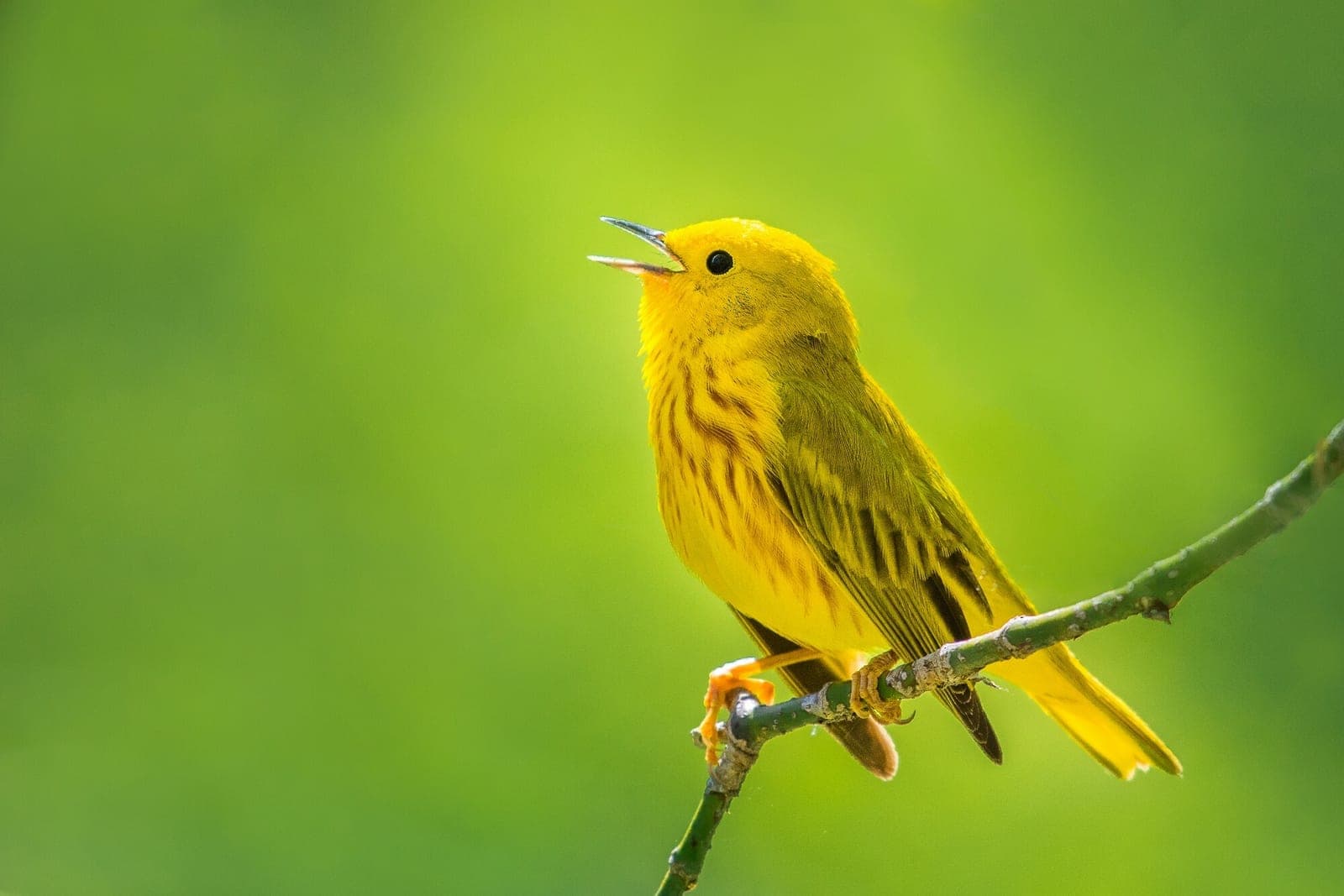
Setophaga aestiva

The Yellow Warbler is the little all-yellow songbird of streamside willows, whose bright 'sweet-sweet-sweet, I'm so sweet' rings out across most of North America in late spring. It is one of the most widespread warblers on the continent, and between 2025 and 2026 the major checklists, including the American Ornithological Society's, recognized the North American birds as a species of their own, Setophaga aestiva.

Read the full guide →

Common Yellowthroat

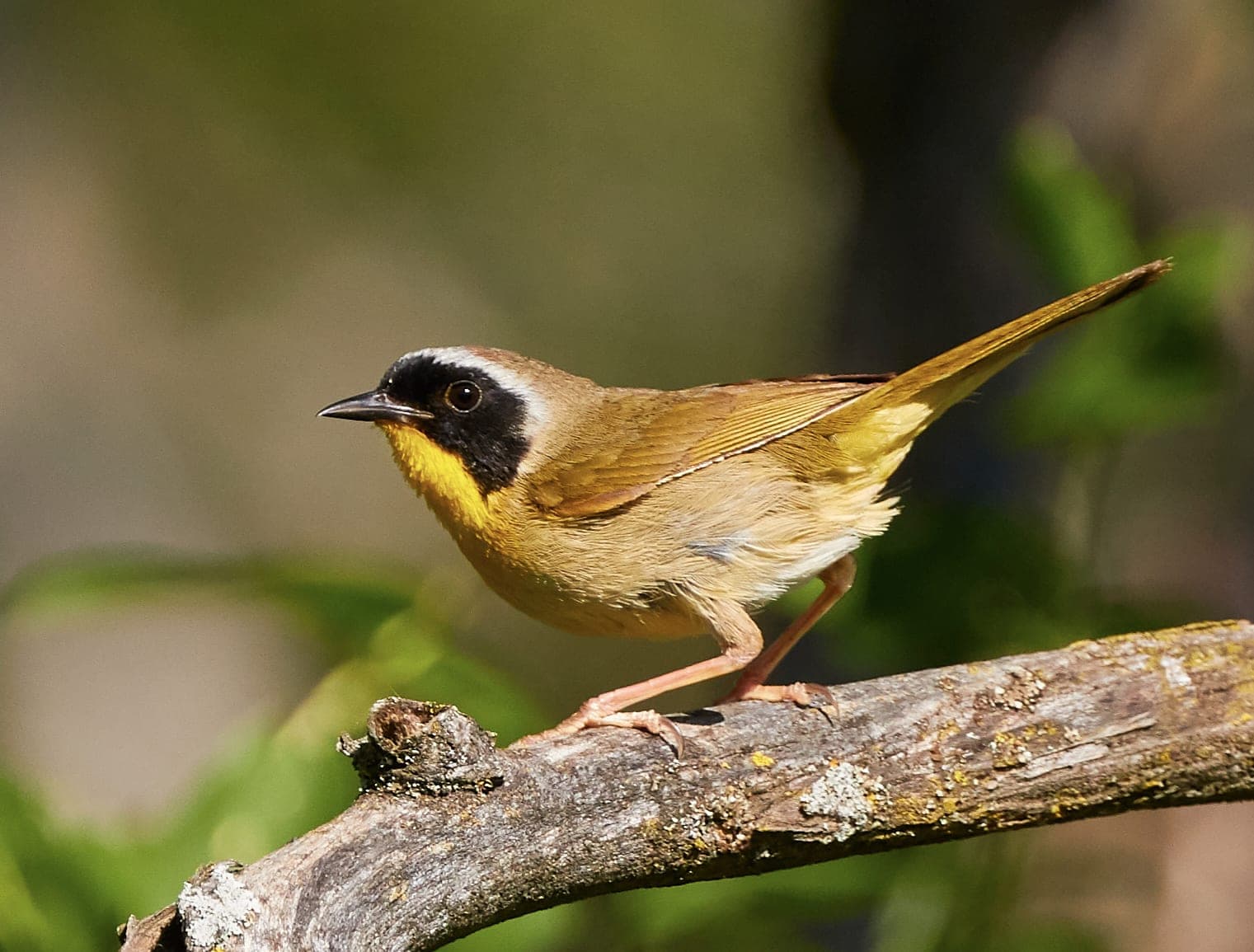
Geothlypis trichas

The Common Yellowthroat is the masked warbler of cattail marshes, wet meadows and weedy thickets, one of the most abundant and widespread warblers in North America. It spends most of its time low in dense cover, but the male's rollicking 'witchety-witchety-witchety' song gives it away all summer.

Read the full guide →

Tree Swallow

Tachycineta bicolor

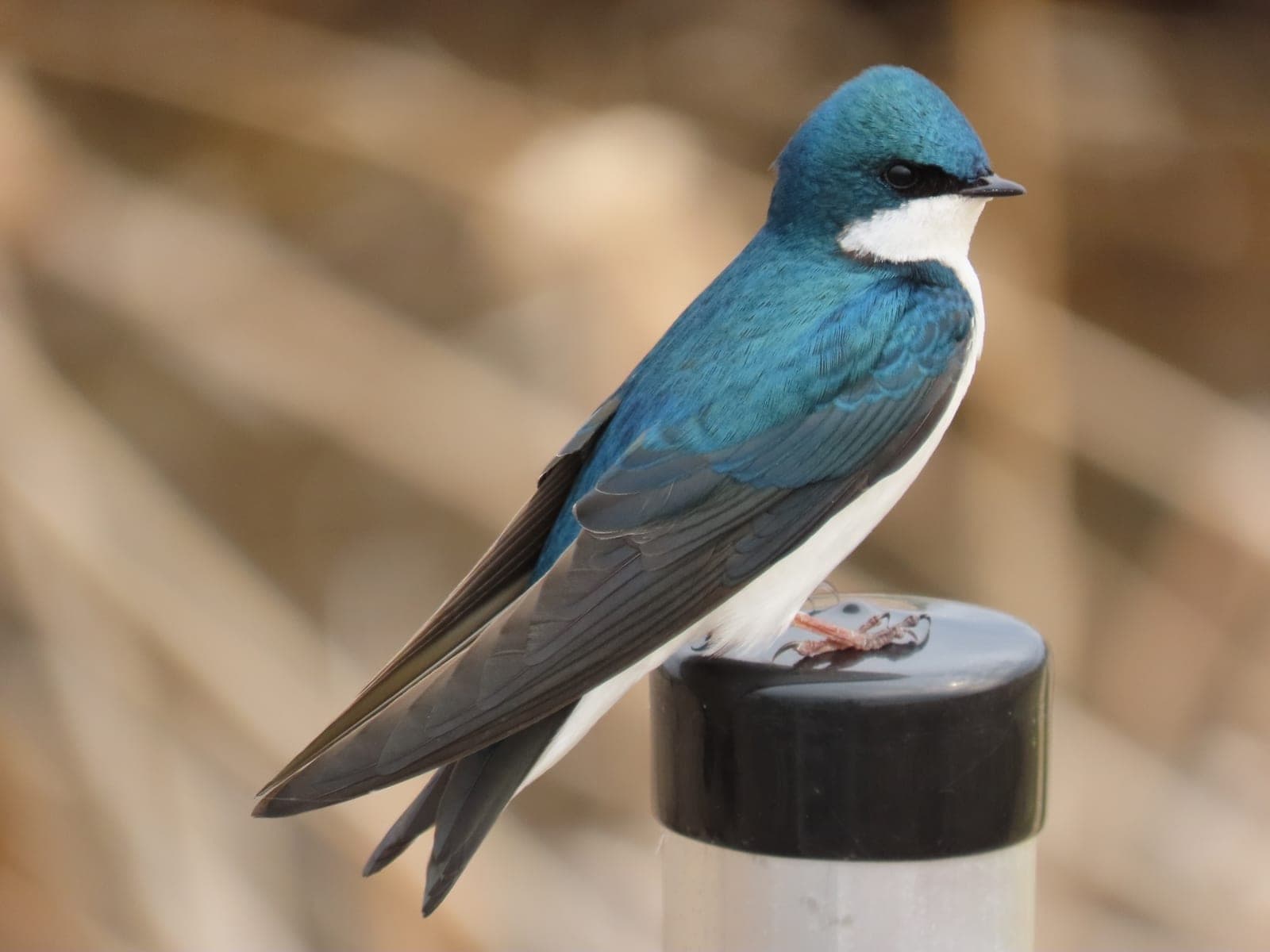
The Tree Swallow is the iridescent blue-green and snow-white swallow that swirls over marshes and ponds in early spring and moves into bluebird boxes across the continent. It is among the first swallows back in the North and winters closer to home than its relatives, thanks to an unusual taste for bayberries, and it is one of the most studied wild birds in North America.

Read the full guide →

Bald Eagle

Haliaeetus leucocephalus

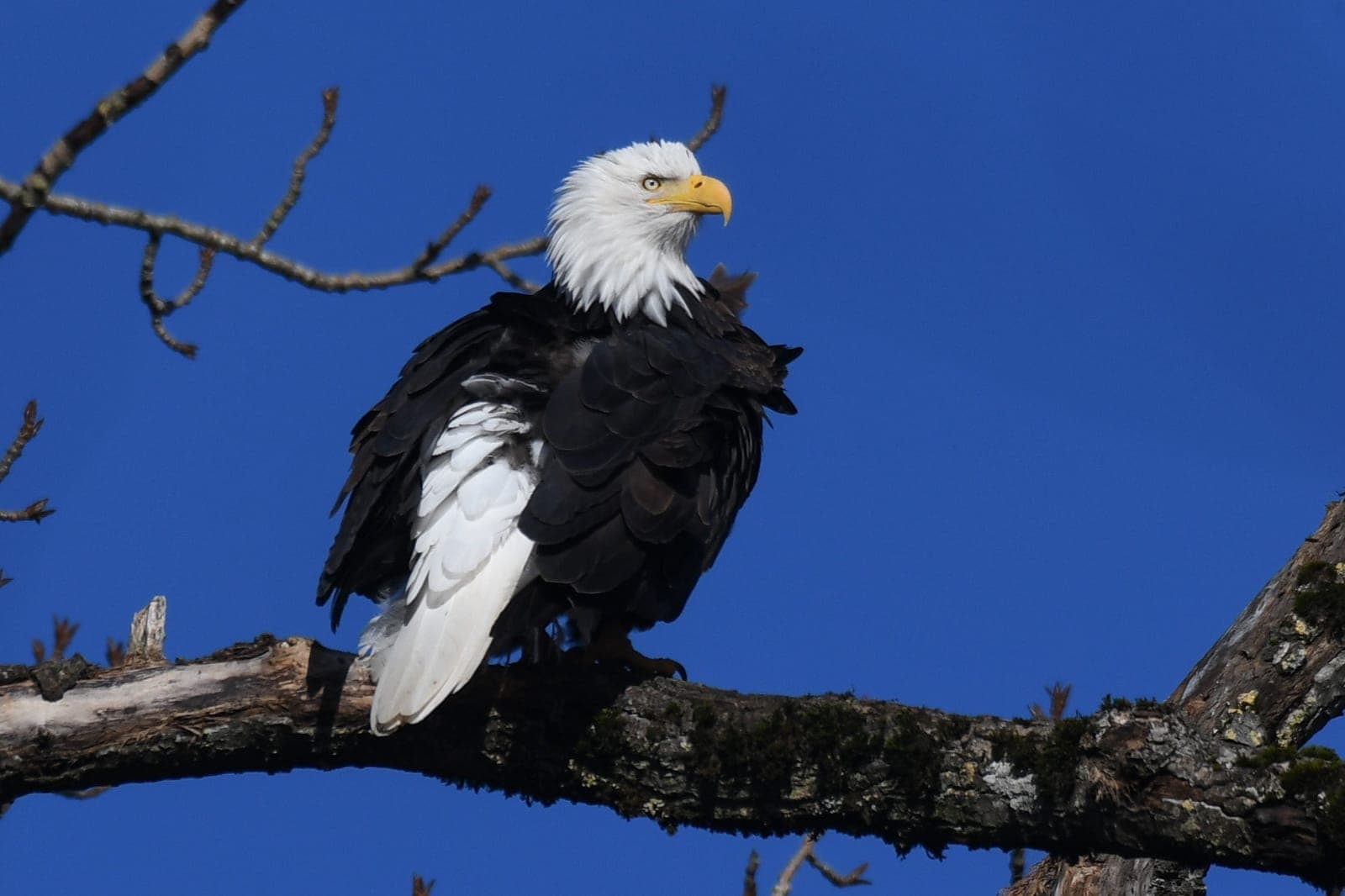
The Bald Eagle is the national bird of the United States and North America's great fish-eating eagle, a sea eagle with a wingspan close to seven feet that patrols lakes, rivers and coasts. Its recovery — from 417 known nesting pairs in the Lower 48 in 1963 to more than 71,000 today — is one of the great wildlife comebacks, and anglers now see eagles on almost every big water in the country.

Read the full guide →

Osprey

Pandion haliaetus

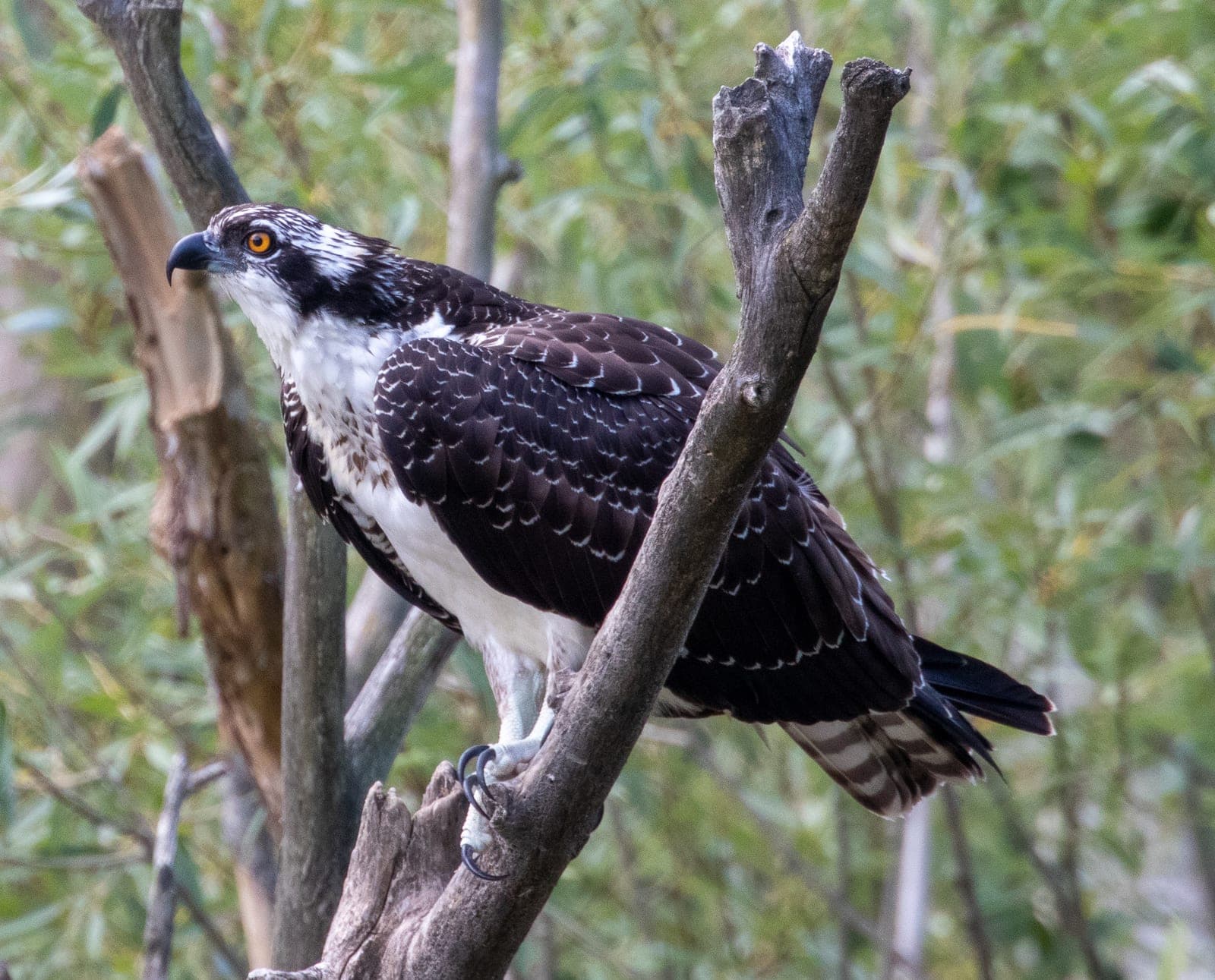
The Osprey is the fish hawk: a long-winged raptor that hovers over open water, then folds up and crashes in feet-first to come up with a fish. Nearly wiped out in parts of North America by DDT, it has rebounded so well that its bulky stick nests now crown channel markers, light poles and platforms on lakes, rivers and bays across the continent — usually within sight of anglers chasing the same fish.

Read the full guide →

Peregrine Falcon

Falco peregrinus

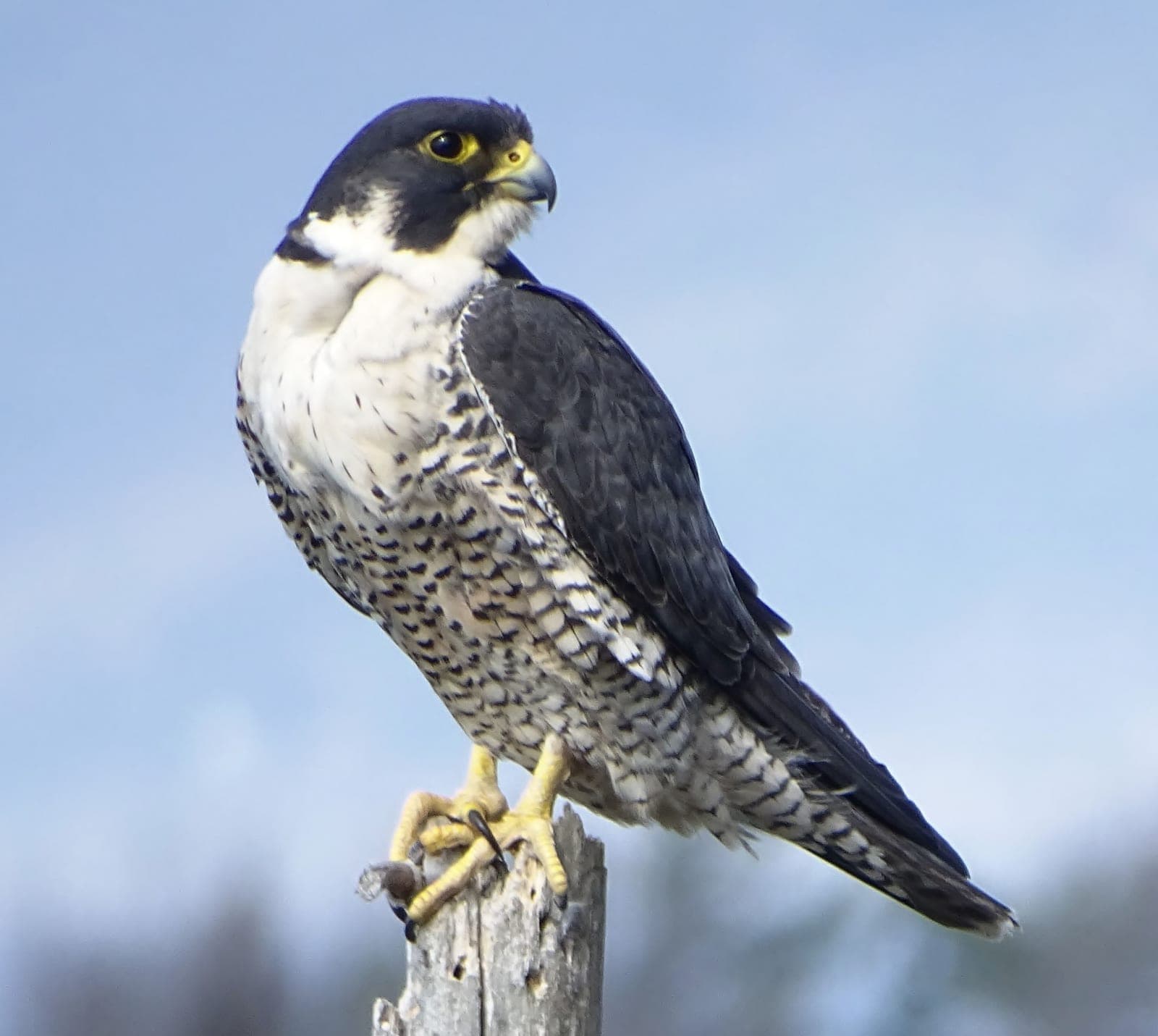
The peregrine falcon is the fastest bird in the world, a crow-sized raptor that strikes other birds in midair over cliffs, coastlines and city skyscrapers. It is also one of the great conservation comebacks: DDT wiped it out as a nesting bird in the eastern United States, yet it recovered well enough to come off the U.S. endangered species list in 1999 and now raises young on bridges and office towers across the continent.

Read the full guide →

Great Blue Heron

Ardea herodias

The great blue heron is the largest heron in North America, a slate-gray wader that stands like a fence post in the shallows of nearly every lake, river, marsh and tidal flat from southeastern Alaska to Mexico. Anglers know it as a fellow fisherman that works the same weed edges at dawn, and its slow wingbeats and gravelly croak are part of almost every North American waterway.

Read the full guide →

Great Egret

Ardea egretta

The great egret is the tall, all-white heron of marshes, bayous and pond edges across the warmer half of North America, and the bird that nearly vanished from the United States around 1900 when its breeding plumes were in demand for women's hats. It recovered under the first bird-protection laws and became the emblem of the National Audubon Society. In October 2026 the American Ornithological Society split the bird of the Americas from the Old World's great white egret, so its official name is now American egret, Ardea egretta.

Read the full guide →

Belted Kingfisher

Megaceryle alcyon

The belted kingfisher is the stocky, shaggy-crested, blue-gray bird that rattles down rivers and lakeshores ahead of every canoe and drift boat in North America. It hunts small fish by diving headfirst from a perch or a hover, nests at the end of a tunnel it digs into a dirt bank, and is one of the few North American birds in which the female is more colorful than the male.

Read the full guide →

Common Loon

Gavia immer

The common loon is the voice of the northern lakes: a heavy, low-riding diver whose wails and tremolos carry across the water on summer nights from Maine to Alaska. It is Minnesota's state bird and Ontario's provincial bird, it appears on Canada's one-dollar 'loonie' coin, and it shares its lakes all summer with anglers, which is why the lead sinkers and jigs that can poison it matter to anyone who fishes.

Read the full guide →

Double-crested Cormorant

Nannopterum auritum

The double-crested cormorant is the dark, snake-necked diving bird that stands on channel markers, dead snags and dock pilings with its wings hung out to dry. It is the most widespread cormorant in North America and the only one most inland anglers ever see, and few birds stir more argument: its numbers soared after the 1970s, and fishery managers, fish farmers and conservationists still debate what that means for fish.

Read the full guide →

Ring-billed Gull

Larus delawarensis

The ring-billed gull is the gull of the interior: the one begging french fries in a mall parking lot, trailing tractors across plowed fields and wheeling over walleye boats on the Great Lakes, often hundreds of miles from salt water. Nearly wiped out across much of its range in the late 1800s, it is now one of the most numerous gulls in North America, thanks in large part to living alongside people.

Read the full guide →

Brown Pelican

Pelecanus occidentalis

The brown pelican is the big gray-brown seabird that cruises in single file just above the waves and then folds into a headlong plunge after menhaden and anchovies along the Atlantic, Gulf and Pacific coasts. It is Louisiana's state bird and one of the great recovery stories of the Endangered Species Act: DDT nearly erased it from much of the United States, and it came off the endangered list in 2009.

Read the full guide →

American White Pelican

Pelecanus erythrorhynchos

The American white pelican is one of the largest birds in North America, a snowy giant with black wing edges and a wingspan of 8 to 9.5 feet, second on the continent only to the California condor's. Unlike the brown pelican it never plunges from the air; flocks swim together to herd fish into the shallows, then rise on thermals and wheel in great synchronized spirals over the prairie lakes, rivers and reservoirs where they nest and migrate.

Read the full guide →

Think you could name them from a few clues? A new mystery bird drops every day.

Play the daily bird game