Field guide · 13 animals

Big Game Animals of North America

Big game is the hunter's term for the large mammals managed with tags and seasons: deer, elk, moose, caribou, pronghorn, wild sheep and goats, bison, muskox and wild pigs. They range from the javelina, which rarely tops 60 pounds, to bison and moose that can weigh well over half a ton.

Bears and mountain lions are also big game in most states; you will find them with the predators.

At a glance

AnimalTypeHabitatHeadgearRegionTypical weightDiet
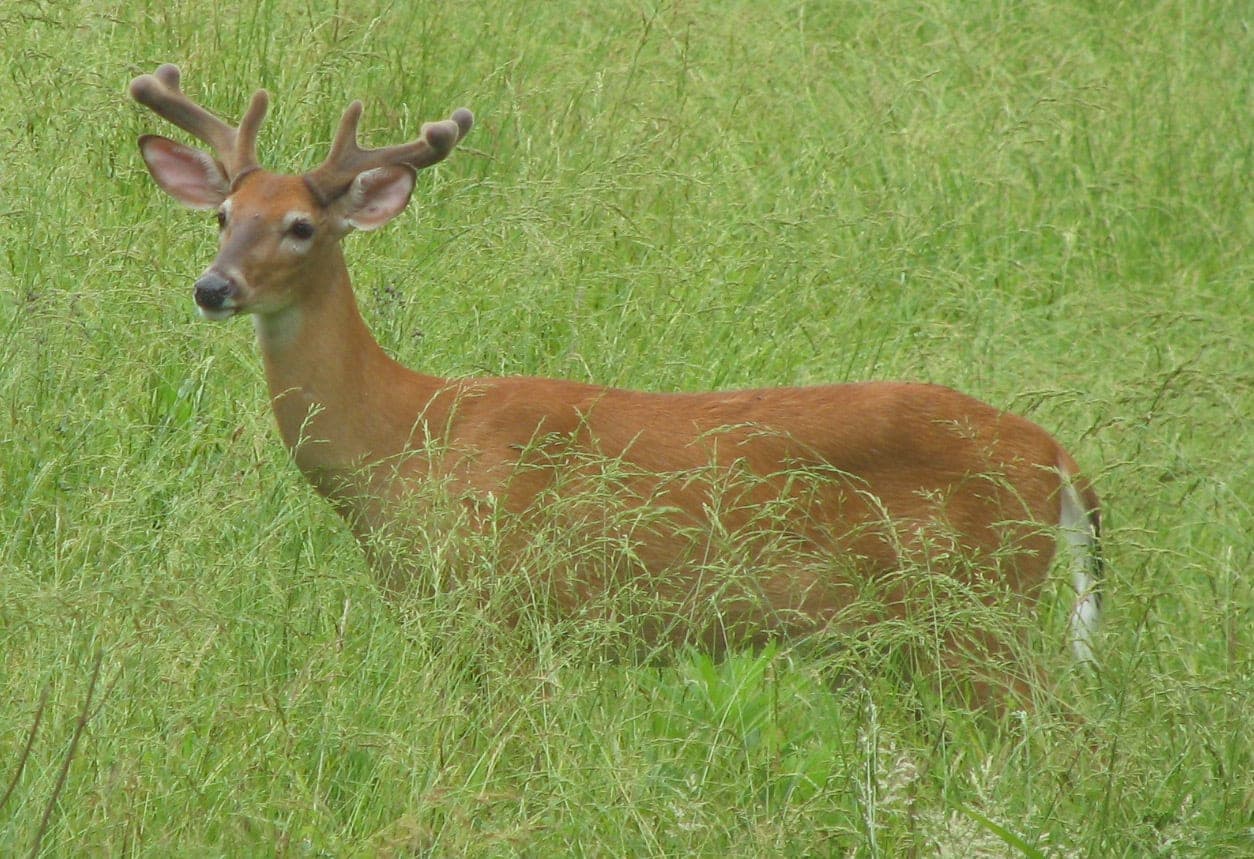
White-tailed DeerBig gameForestAntlersNationwide150 lbHerbivore
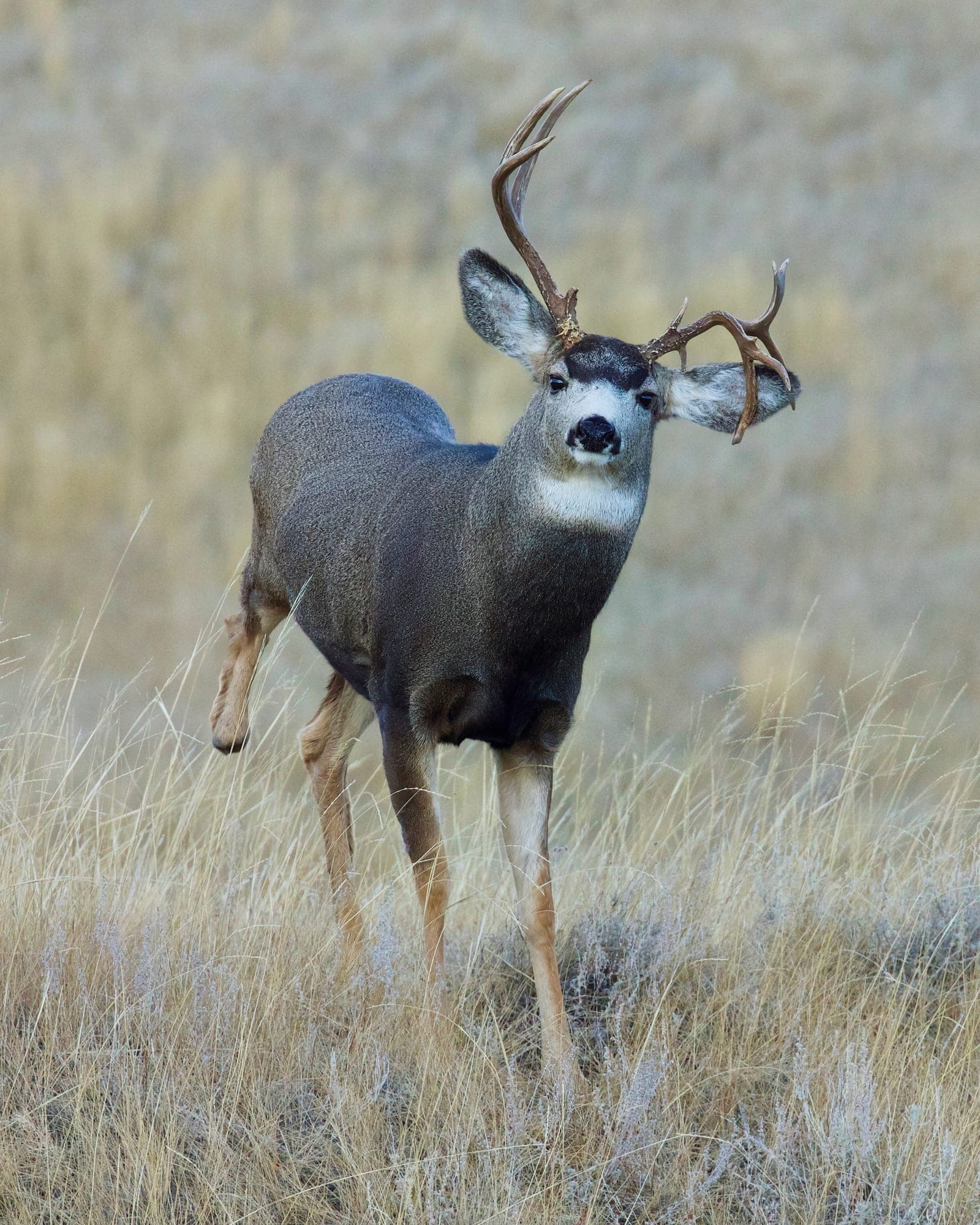
Mule DeerBig gameMountainsAntlersWestern mountains200 lbHerbivore
ElkBig gameMountainsAntlersWestern mountains710 lbHerbivore
MooseBig gameWetlandsAntlersNorthern forests1,200 lbHerbivore
CaribouBig gameTundraAntlersArctic tundra400 lbHerbivore
PronghornBig gameGrasslandHornsGreat Plains120 lbHerbivore
Bighorn SheepBig gameMountainsHornsWestern mountains250 lbHerbivore
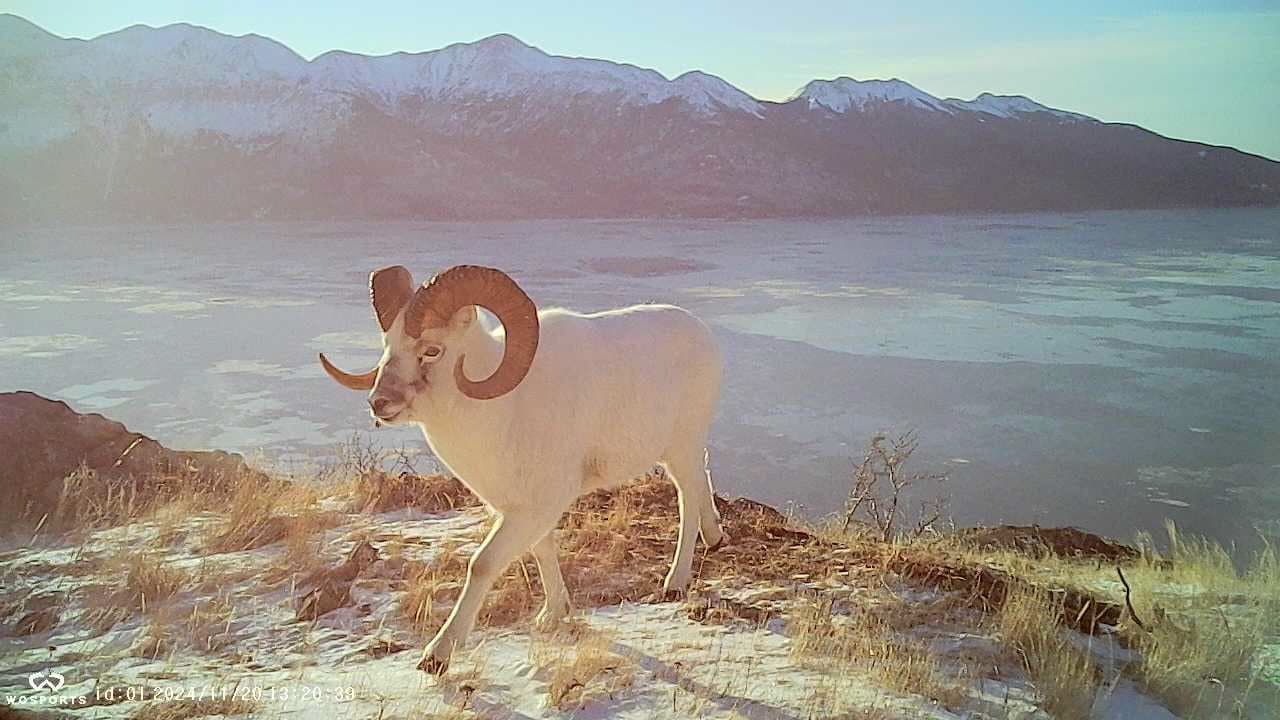
Dall SheepBig gameMountainsHornsArctic tundra200 lbHerbivore
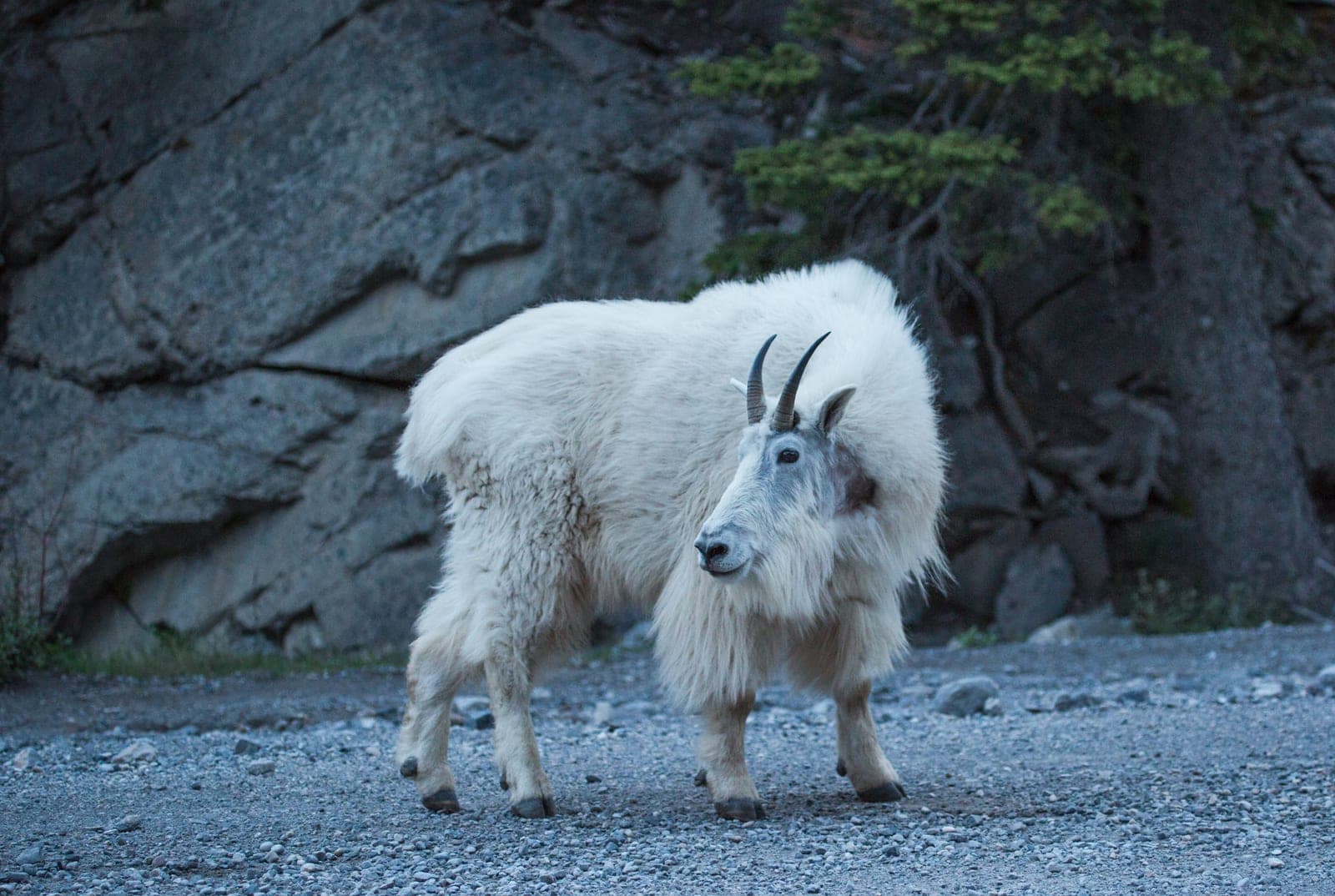
Mountain GoatBig gameMountainsHornsWestern mountains250 lbHerbivore
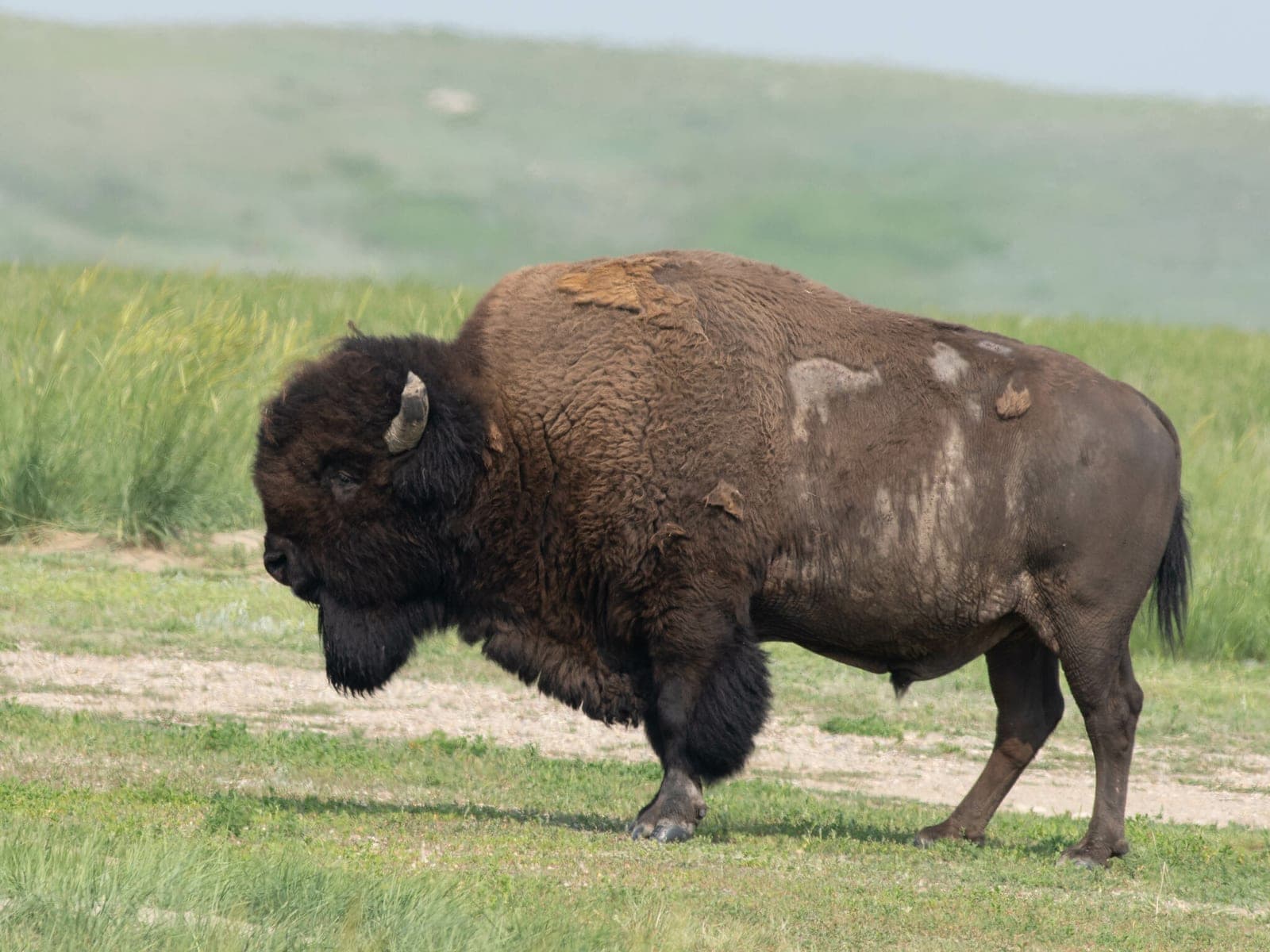
American BisonBig gameGrasslandHornsGreat Plains1,800 lbHerbivore
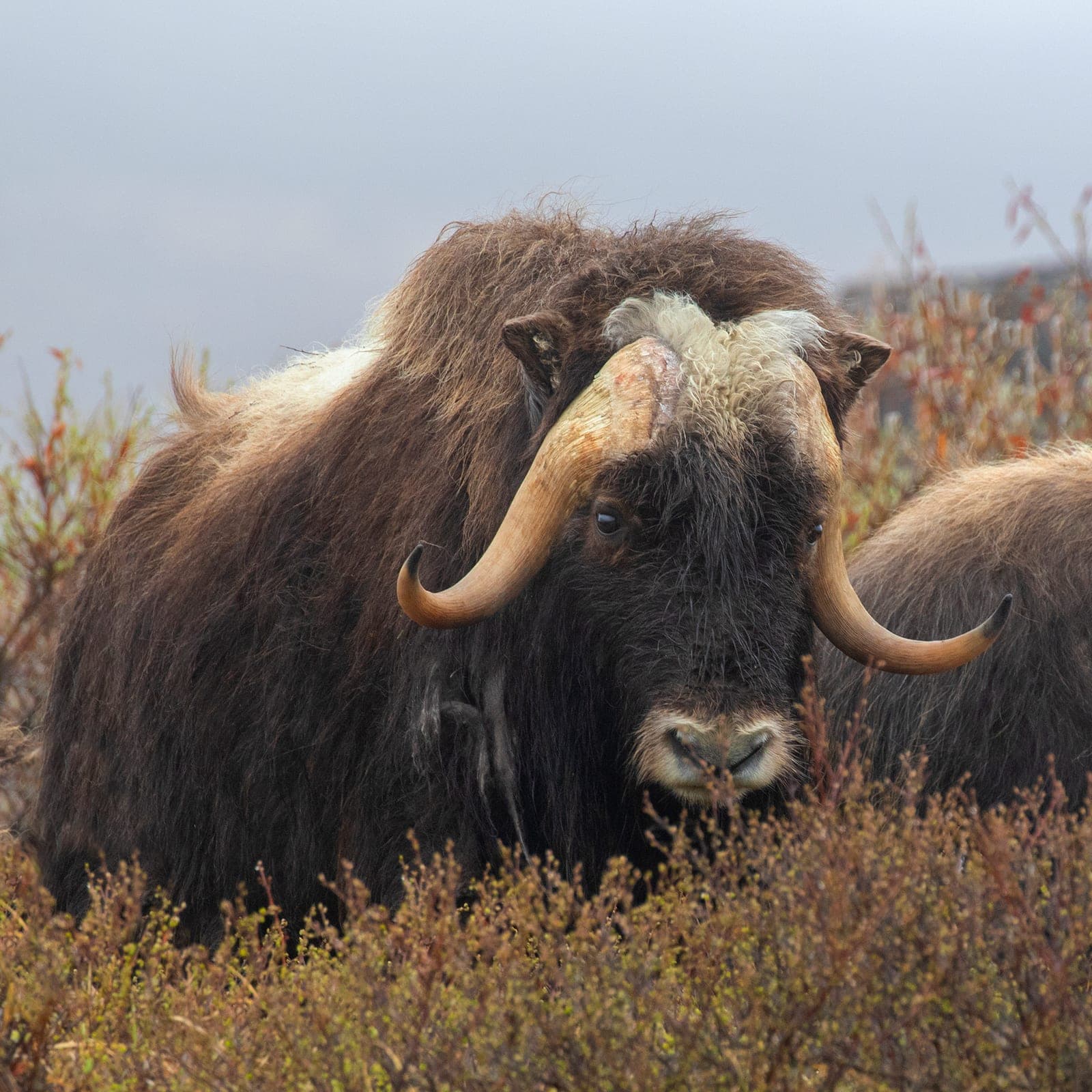
MuskoxBig gameTundraHornsArctic tundra700 lbHerbivore
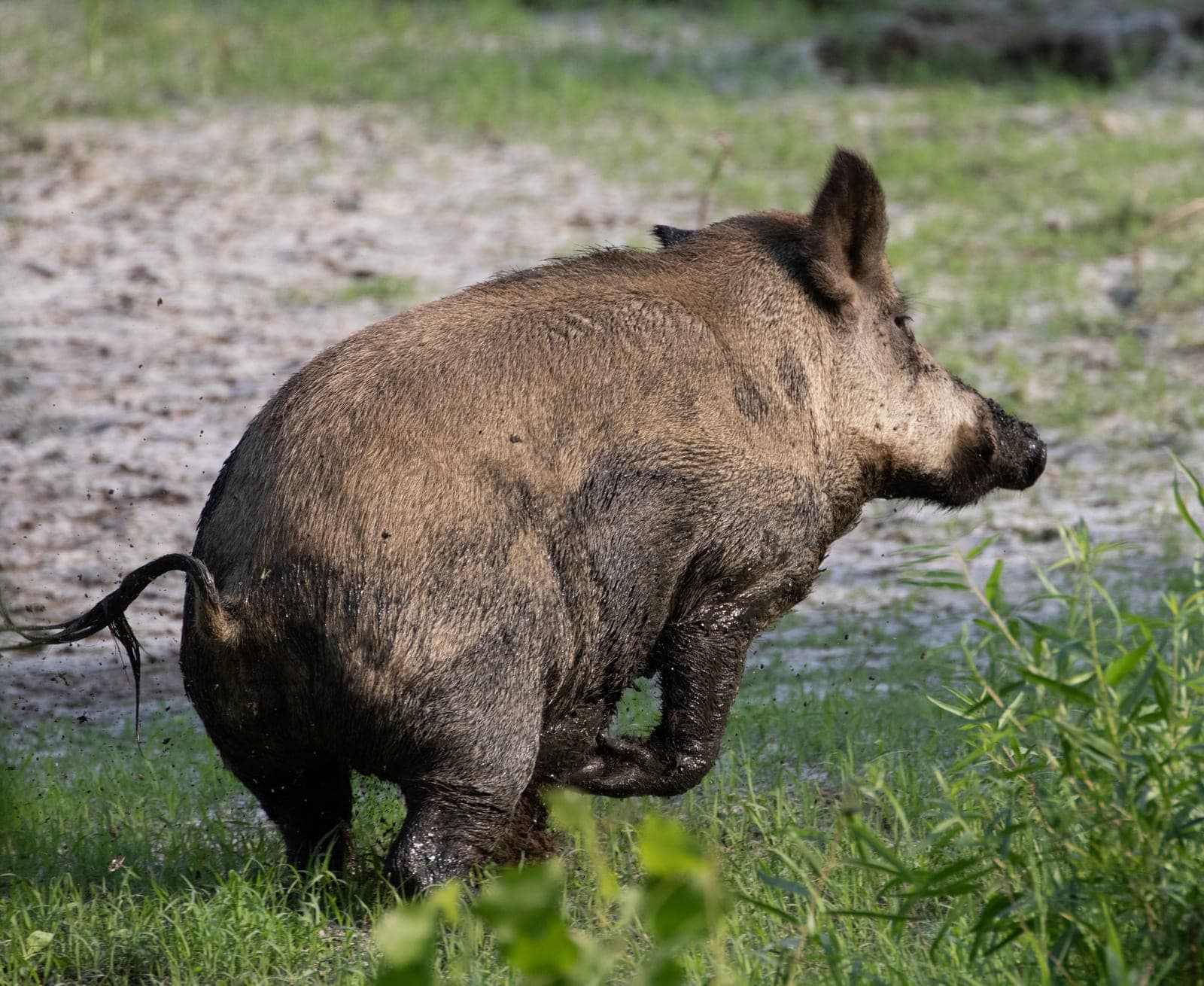
Wild BoarBig gameForestTusksSouthern woods200 lbOmnivore
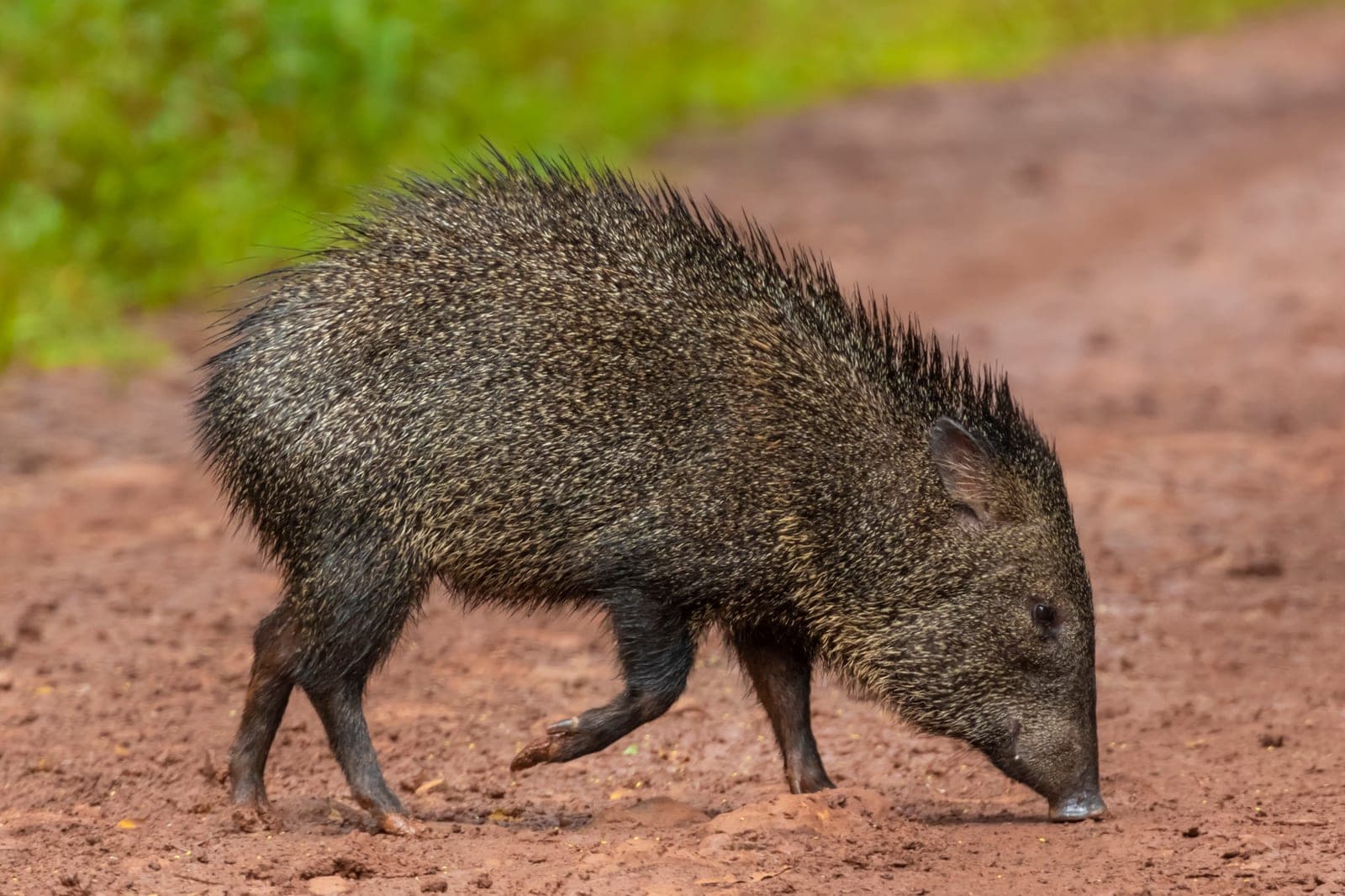
JavelinaBig gameDesertTusksSouthern woods50 lbOmnivore

White-tailed Deer

Odocoileus virginianus

The white-tailed deer is the most hunted big-game animal in North America and the continent's most widespread deer, found from southern Canada to South America. It is also one of conservation's great comebacks: whitetails were nearly wiped out across much of their range by 1900, and today they number in the tens of millions.

Read the full guide →
Mule Deer

Odocoileus hemionus

The mule deer is the big-eared deer of the West, at home from desert canyons and sagebrush basins to alpine bowls above timberline. For many hunters it is the classic Western hunt: glassing open, broken country at first light for a heavy-antlered buck, then planning a long stalk to reach it.

Read the full guide →

Elk

Cervus canadensis

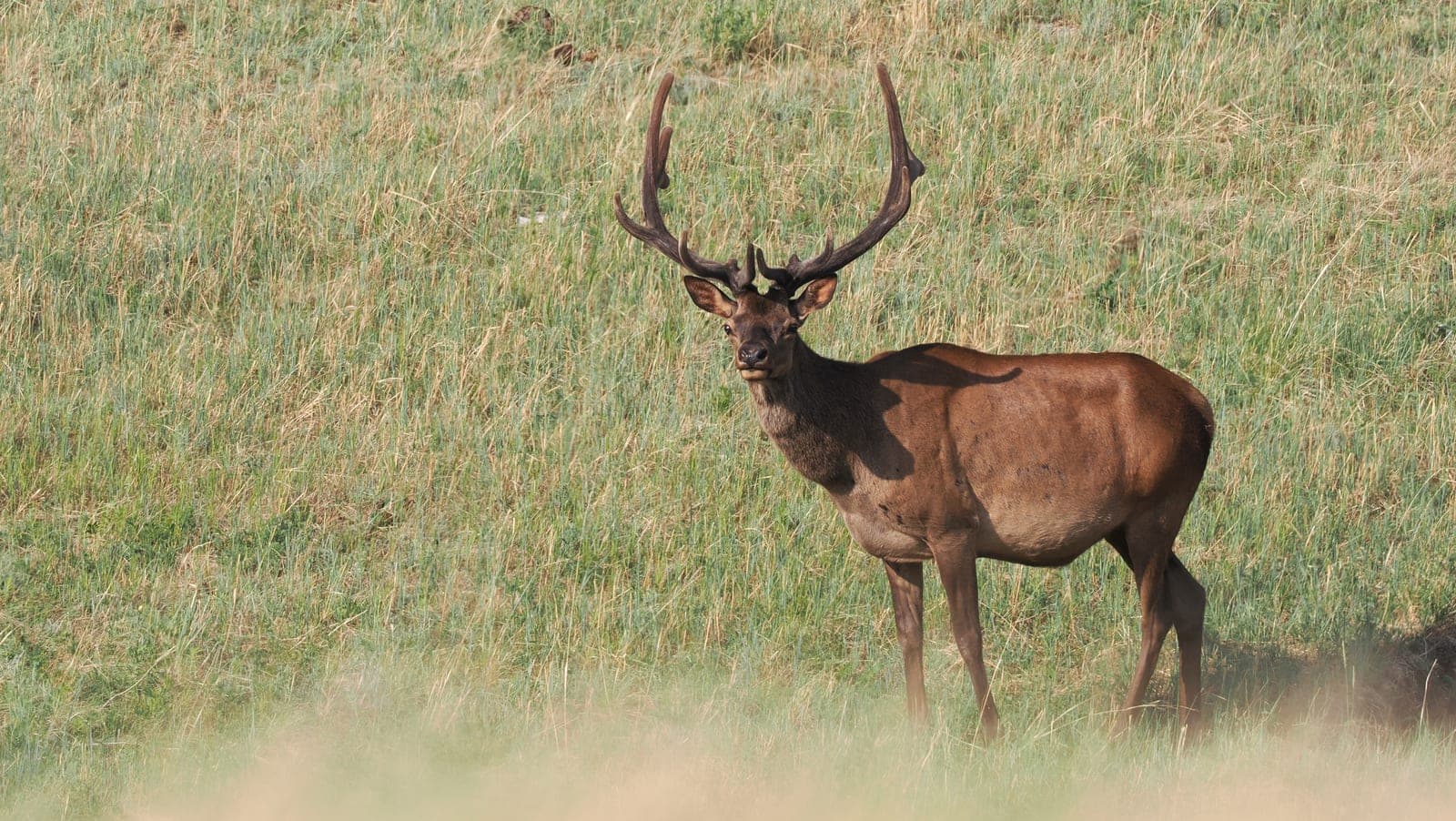
The elk is one of the largest deer in the world and the animal that defines a Western fall: bulls bugling across mountain meadows in September and herds pouring out of dark timber at dusk. Once found across most of the United States, elk were wiped out east of the Great Plains by the late 1800s, and restored herds now roam from Kentucky to Pennsylvania as well as the West.

Read the full guide →

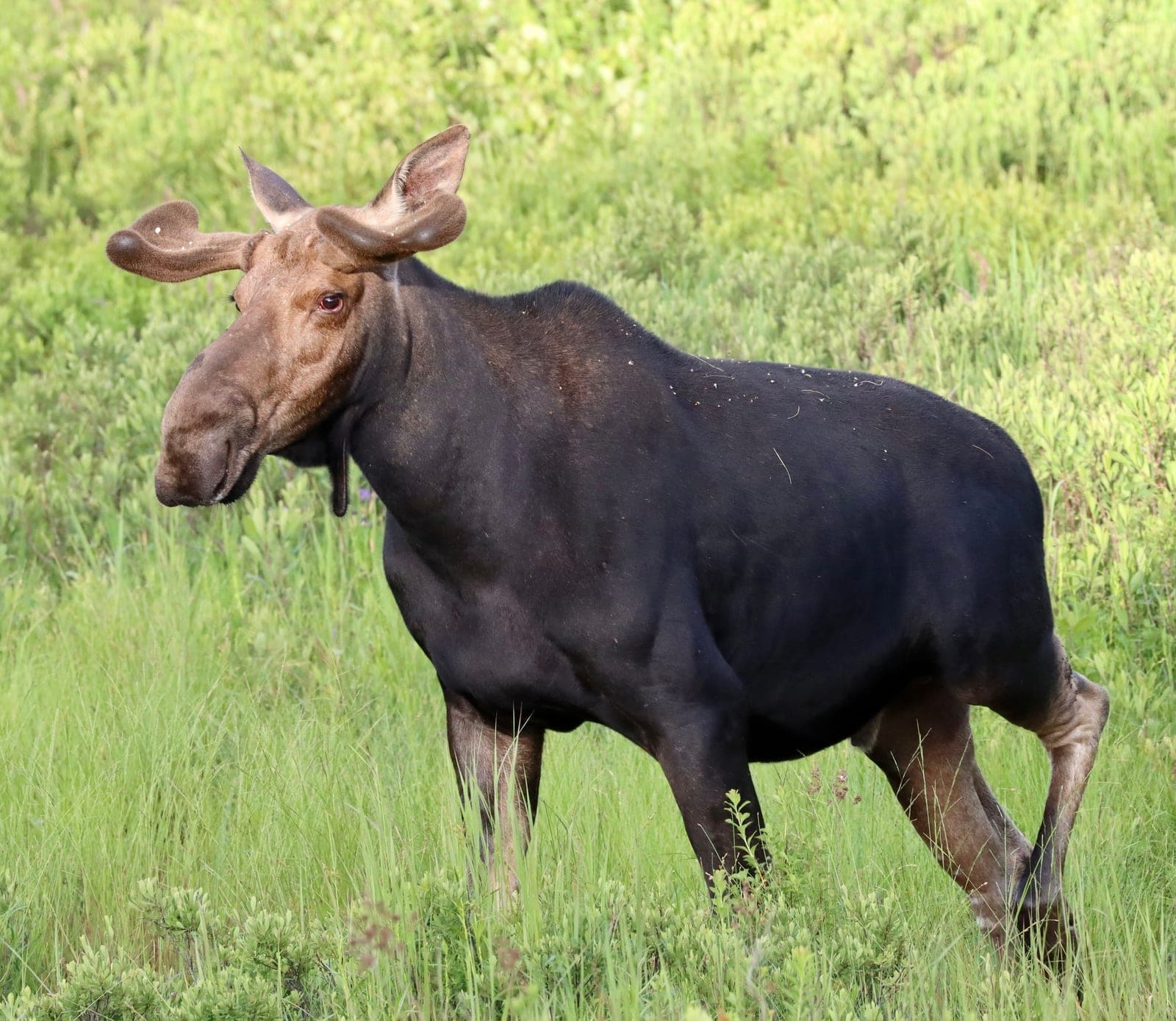
Moose

Alces alces

The moose is the largest member of the deer family, a long-legged, dark-coated giant of northern forests and willow bottoms. A big Alaska bull can weigh 1,600 pounds and carry antlers more than six feet wide, and a moose hunt, whether in Alaska, the Canadian bush or a hard-to-draw unit in the Rockies, is a lifetime goal for many hunters.

Read the full guide →

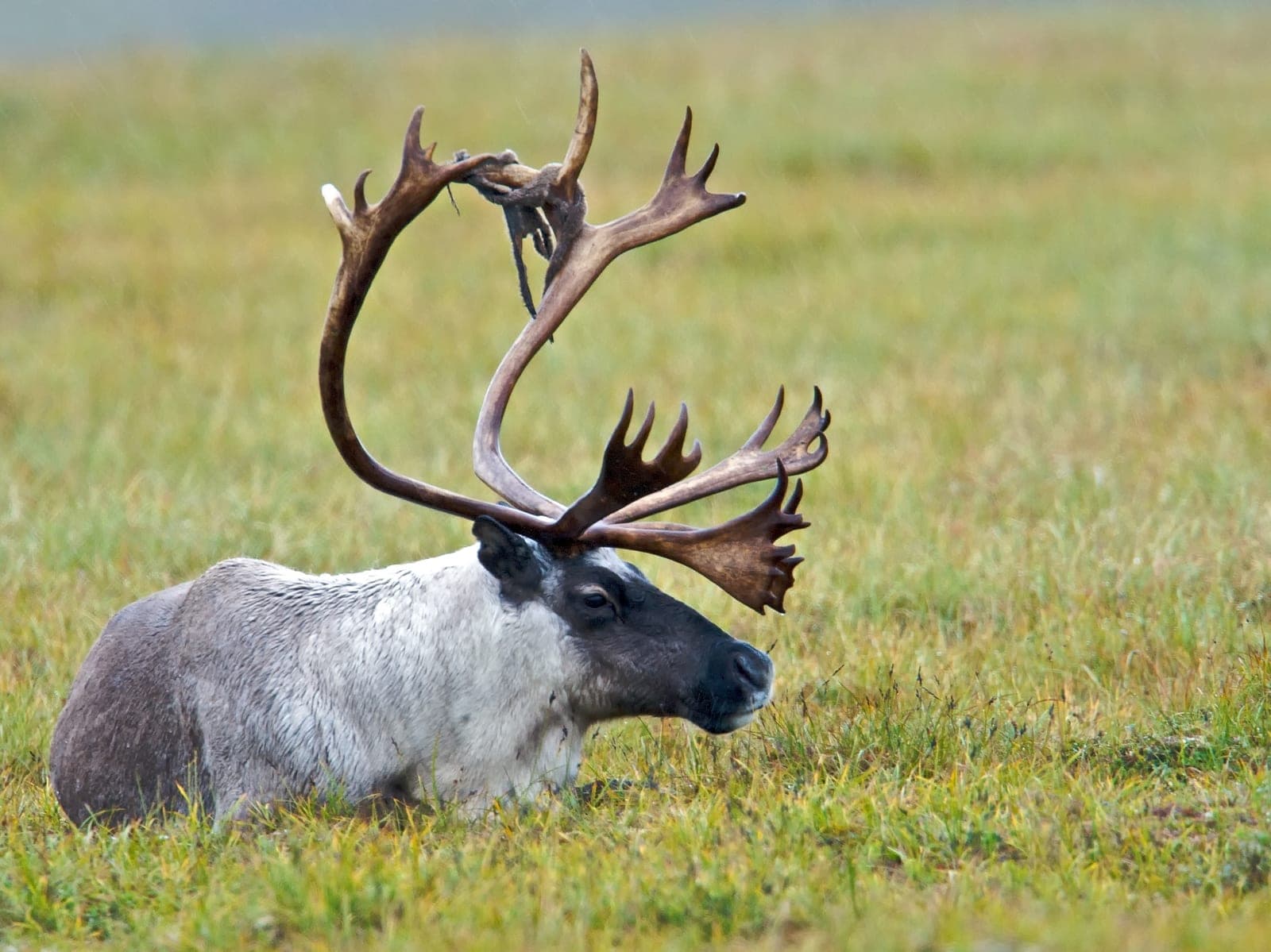
Caribou

Rangifer tarandus

The caribou is the deer of the Far North, built for snow and cold, and the only deer in which females as well as males regularly grow antlers. Its great herds make some of the longest overland migrations on Earth and feed Indigenous communities across the Arctic. Many herds have crashed in recent decades, so hunting is closed or tightly limited across large parts of the range.

Read the full guide →

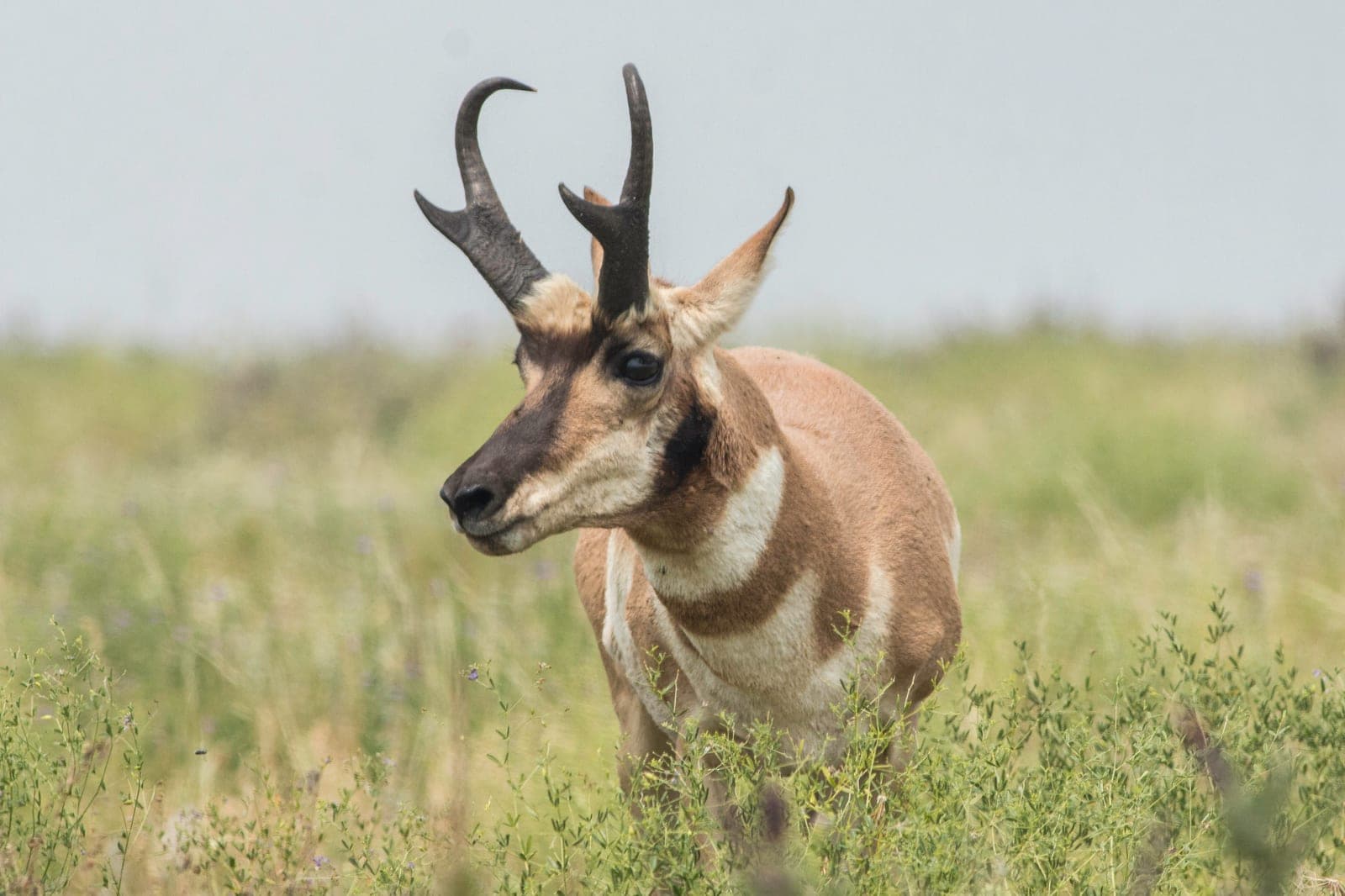
Pronghorn

Antilocapra americana

The pronghorn is the fastest land animal in the Americas and the last surviving member of a family found only in North America. Hunters call it an antelope, but its closest living relatives are the giraffe and the okapi. In Wyoming, pronghorn outnumbered people until recently, and pronghorn hunts on the open plains are some of the most approachable big-game hunts in the West.

Read the full guide →

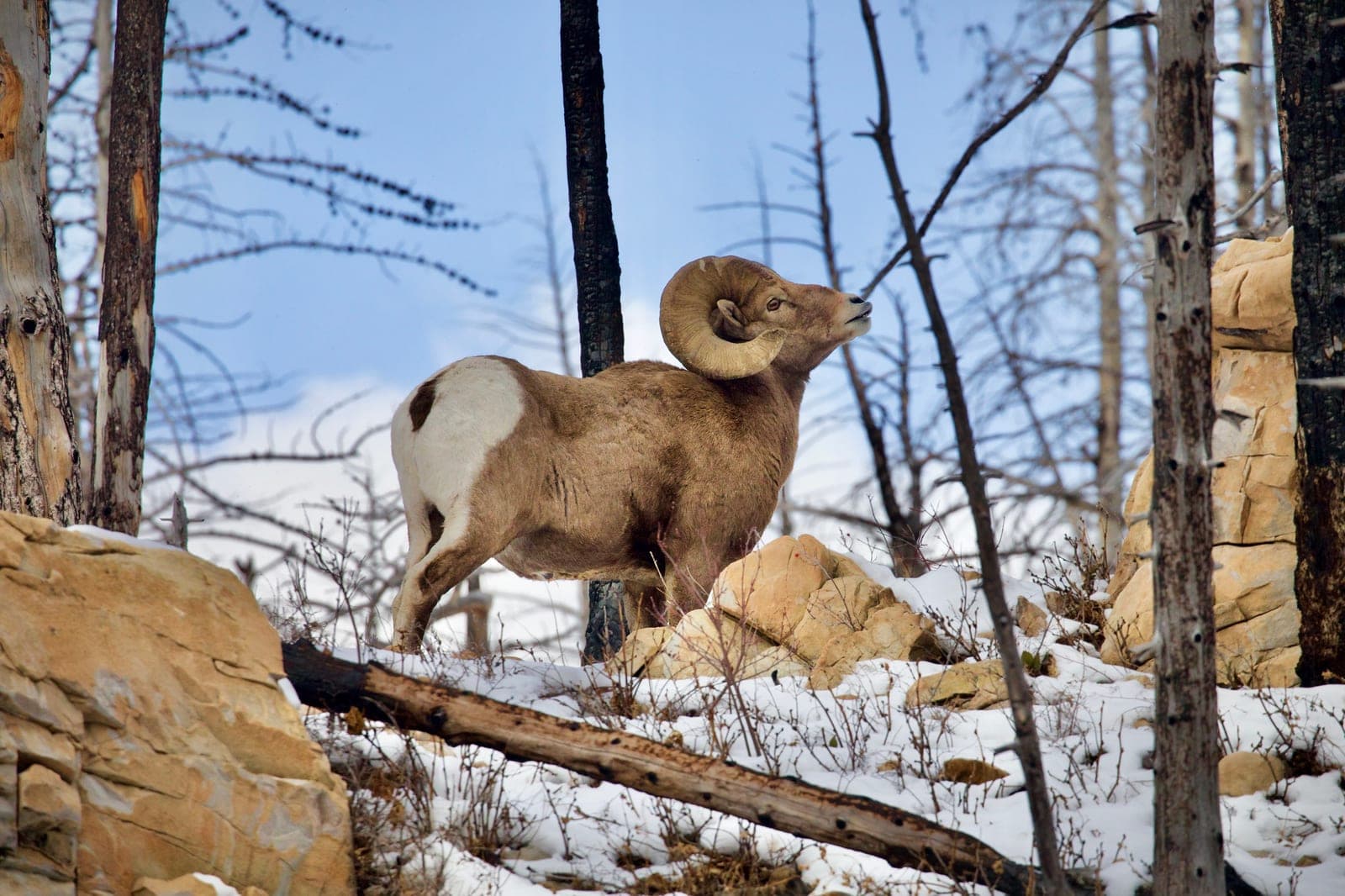
Bighorn Sheep

Ovis canadensis

The bighorn sheep is the heavy-horned wild sheep of the western mountains and desert ranges, found from British Columbia and Alberta south into Mexico. A mature ram's curled horns can weigh 30 pounds, and drawing a bighorn tag can take a lifetime, which makes the species as much a symbol of western conservation as a trophy.

Read the full guide →

Dall Sheep

Ovis dalli

The Dall sheep is North America's white wild sheep, a thinhorn that lives on high, dry ridges in Alaska, the Yukon, the western Northwest Territories and northern British Columbia. A full-curl Dall ram is one of the toughest trophies on the continent, and its dark southern relative, the Stone's sheep, is the other half of the thinhorn story.

Read the full guide →

Mountain Goat

Oreamnos americanus

The mountain goat is the shaggy white climber of the Northwest's steepest cliffs, found from southeast Alaska through British Columbia to the Cascades and northern Rockies. It is not a true goat but North America's only goat-antelope, and for hunters a billy in thick winter hair is a test of nerve and footing as much as marksmanship.

Read the full guide →

American Bison

Bison bison

The American bison is the heaviest land animal in North America and the national mammal of the United States. Tens of millions once roamed the continent before commercial slaughter left only a few hundred in the United States by 1889. Bison are common again on ranches, but truly wild, free-ranging herds are few, so hunting a wild bison is a rare, tightly limited opportunity.

Read the full guide →

Muskox

Ovibos moschatus

The muskox is a shaggy Ice Age survivor, a stocky Arctic grazer more closely related to sheep and goats than to cattle. It lives on open tundra from Alaska to Greenland and is famous for qiviut, its incredibly fine underwool, and for the horns-out wall a herd forms against wolves. Hunting is tightly controlled everywhere it is allowed.

Read the full guide →

Wild Boar

Sus scrofa

The wild boar is the Eurasian ancestor of the farm pig, and in North America it lives on as the feral hog: a mix of escaped domestic pigs, released Eurasian boar and their hybrids. Hunters value hogs as a tough, edible quarry that can often be pursued year-round, while wildlife agencies rank them among the most destructive invasive animals in the United States.

Read the full guide →

Javelina

Pecari tajacu

The javelina, or collared peccary, is the small, bristly 'desert pig' of Arizona, New Mexico and Texas, though it is not a pig at all but a member of a separate New World family. Javelina are a classic Southwest hunt for archers and spot-and-stalk hunters, and they are increasingly at home in desert suburbs.

Read the full guide →

Think you could name them from a few clues? A new mystery animal drops every day.

Play the daily hunt game