Field guide · 7 animals

Waterfowl: Ducks, Geese & Cranes

Ducks, geese and cranes are migratory birds, so their hunting seasons are set within federal frameworks in the United States and Canada and follow the great north–south flyways.

Identification matters more here than anywhere else in hunting: limits often differ by species and sex, and protected birds share the same skies. These guides cover the field marks that tell them apart, on the water and in flight.

At a glance

AnimalTypeHabitatHeadgearRegionTypical weightDiet
MallardWaterfowlWetlandsNoneNationwide3 lbOmnivore
Canada GooseWaterfowlWetlandsNoneNationwide9 lbHerbivore
Wood DuckWaterfowlWetlandsNoneSouthern woods1.5 lbOmnivore
Northern PintailWaterfowlWetlandsNoneNationwide2 lbOmnivore
Snow GooseWaterfowlWetlandsNoneArctic tundra6 lbHerbivore
Green-winged TealWaterfowlWetlandsNoneNationwide0.7 lbOmnivore
Sandhill CraneWaterfowlWetlandsNoneGreat Plains10 lbOmnivore

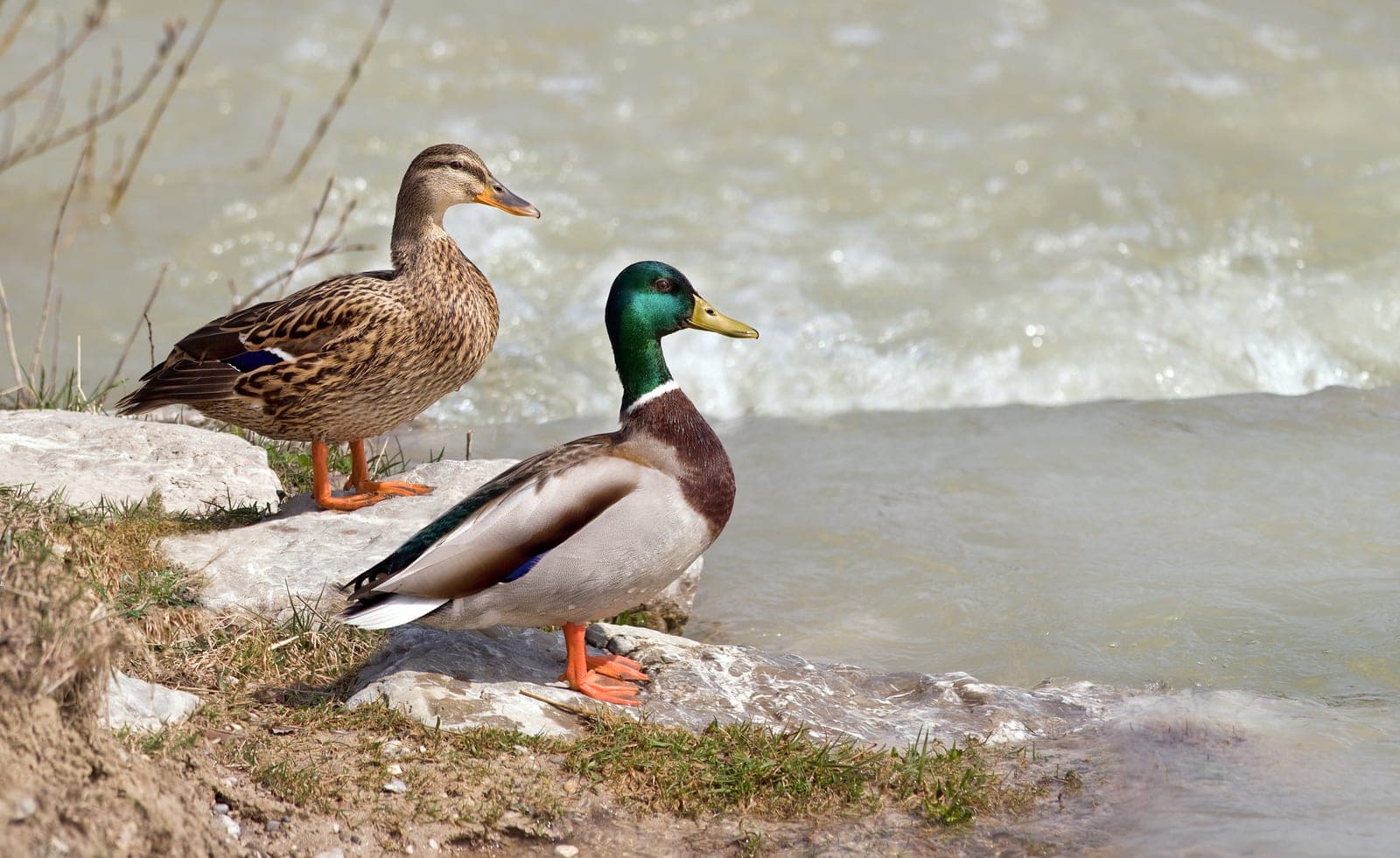
Mallard

Anas platyrhynchos

The mallard is the duck almost everyone knows and the bird that built North American duck hunting. It is the most widespread and abundant duck on the continent, it makes up roughly one of every three ducks shot by hunters, and it is the wild ancestor of nearly every domestic duck breed in the barnyard.

Read the full guide →
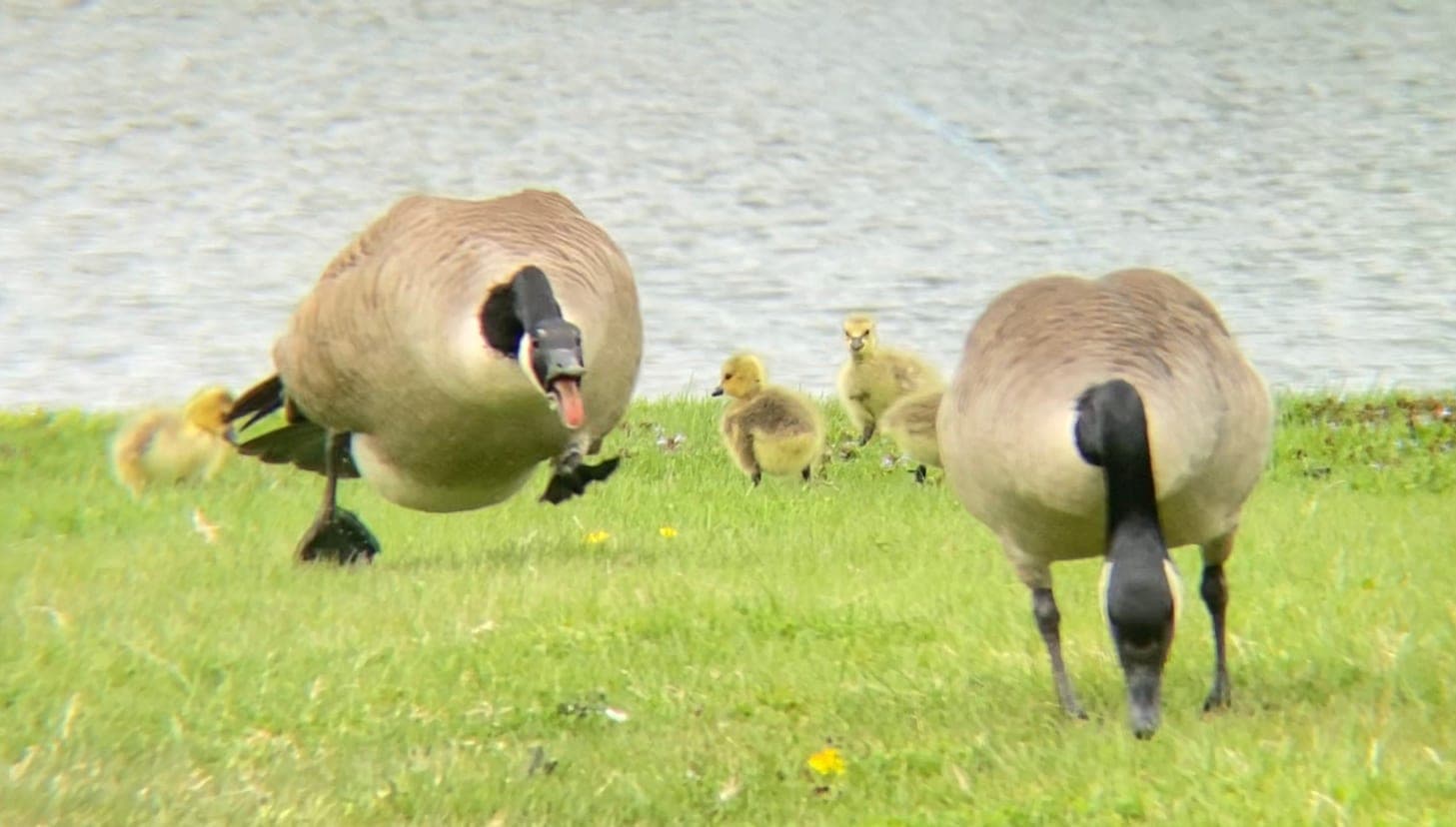
Canada Goose

Branta canadensis

The Canada goose is the big, black-necked honker of grain fields, marshes and city parks, and the most widely hunted goose in North America. Its comeback story cuts both ways: one large subspecies was nearly lost a century ago, and its restored descendants are now so common in suburbs that many states open special early seasons just for resident flocks.

Read the full guide →

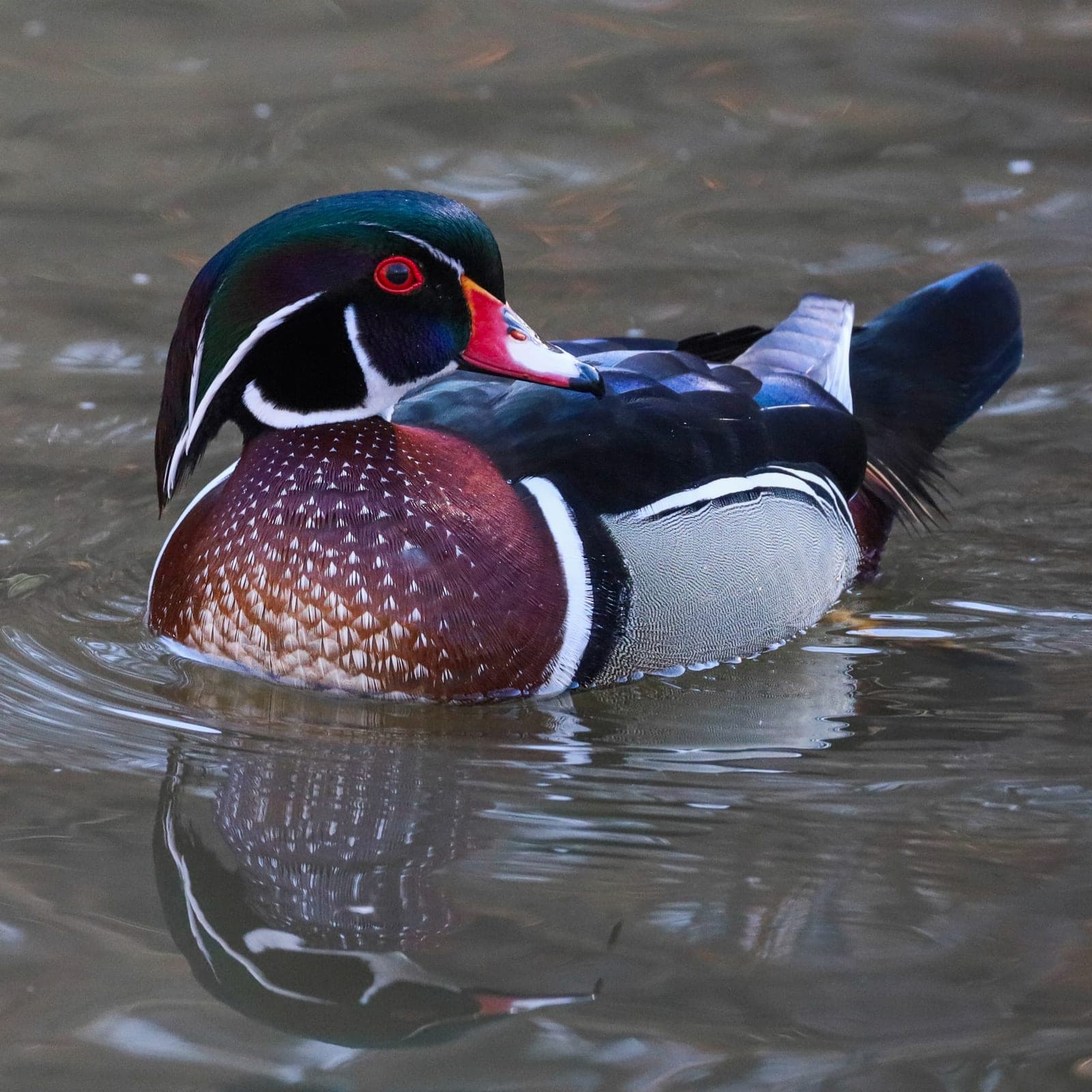
Wood Duck

Aix sponsa

The wood duck is the jewel of North American waterfowl and the duck of wooded swamps, beaver ponds and timbered creeks. Market hunting and logging made it rare by the early 1900s, but federal protection and decades of nest-box work brought it back, and today it ranks among the most harvested ducks in the United States, especially in the eastern half of the country.

Read the full guide →

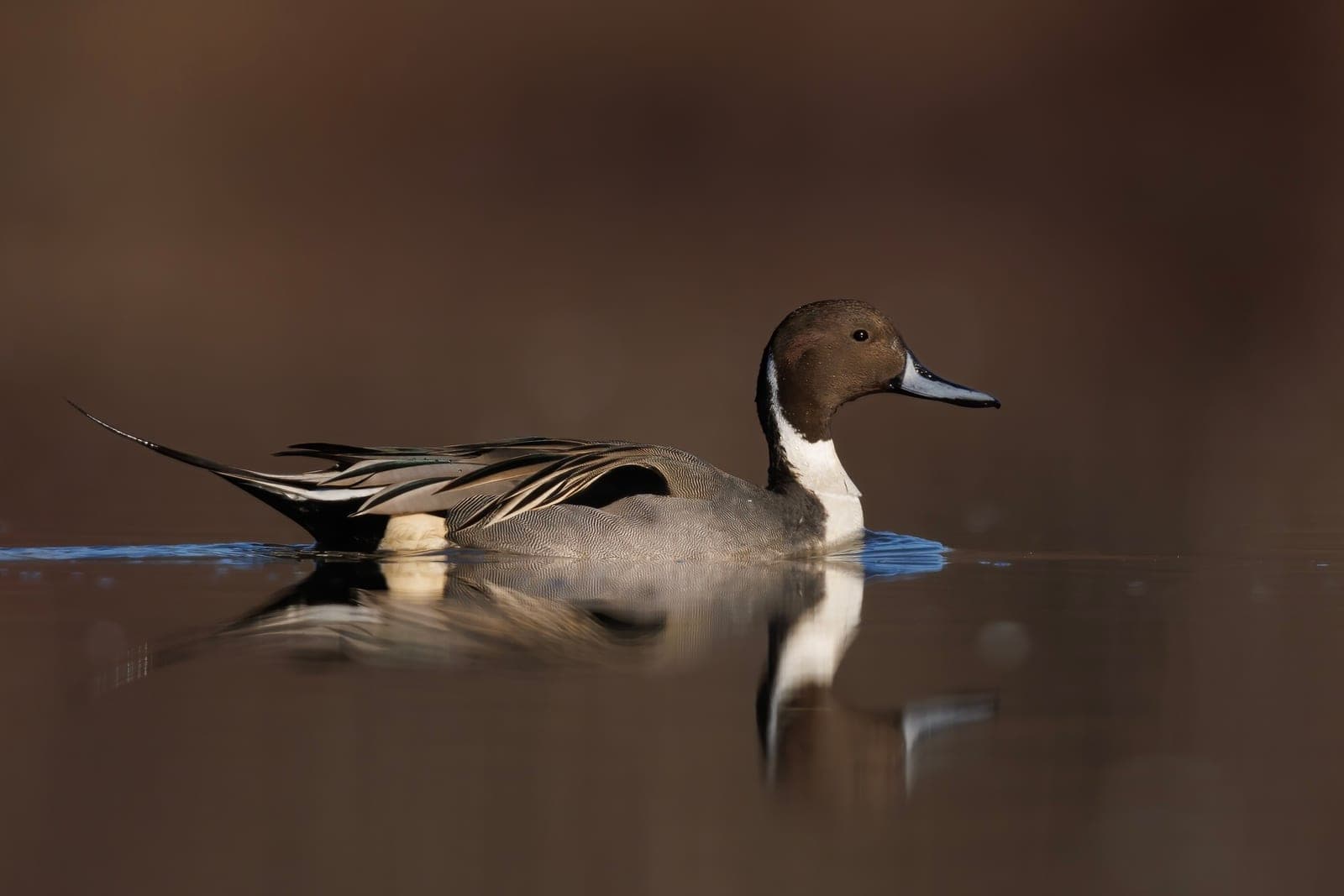
Northern Pintail

Anas acuta

The northern pintail is the most elegant duck in the marsh: a slender, long-necked dabbler with a needle tail that hunters call the sprig and prize as a trophy. It is also a conservation worry, because North America's breeding population has fallen to a fraction of its 1950s level as the prairie grasslands where it nests have been plowed.

Read the full guide →

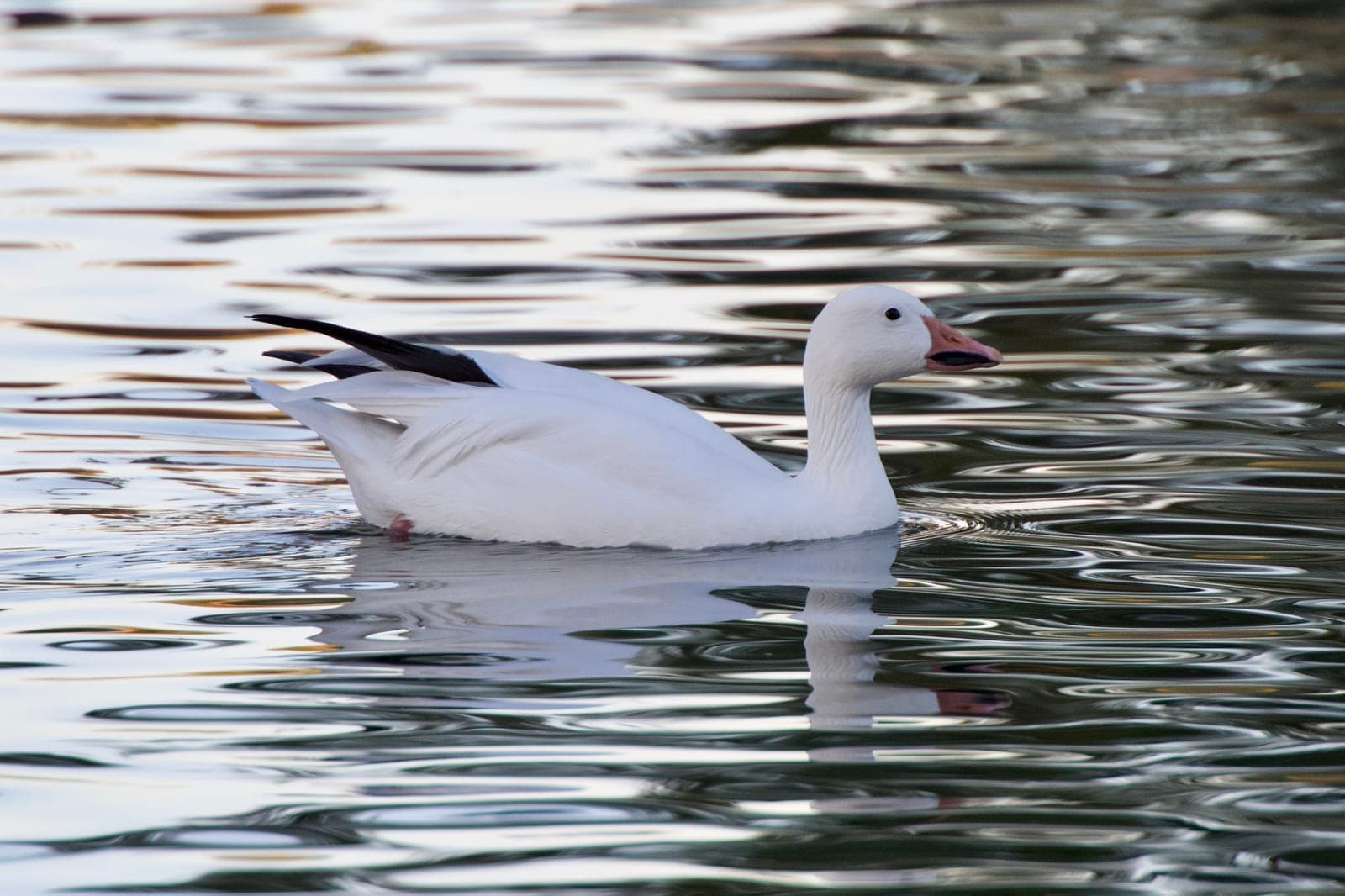
Snow Goose

Anser caerulescens

The snow goose is the white, black-wingtipped goose that crosses the continent in flocks of tens or even hundreds of thousands. Its numbers have soared since the mid-20th century, so much that the birds are damaging their own Arctic nesting grounds, and the United States and Canada now use liberal seasons and special spring conservation hunts to try to bring the population down.

Read the full guide →

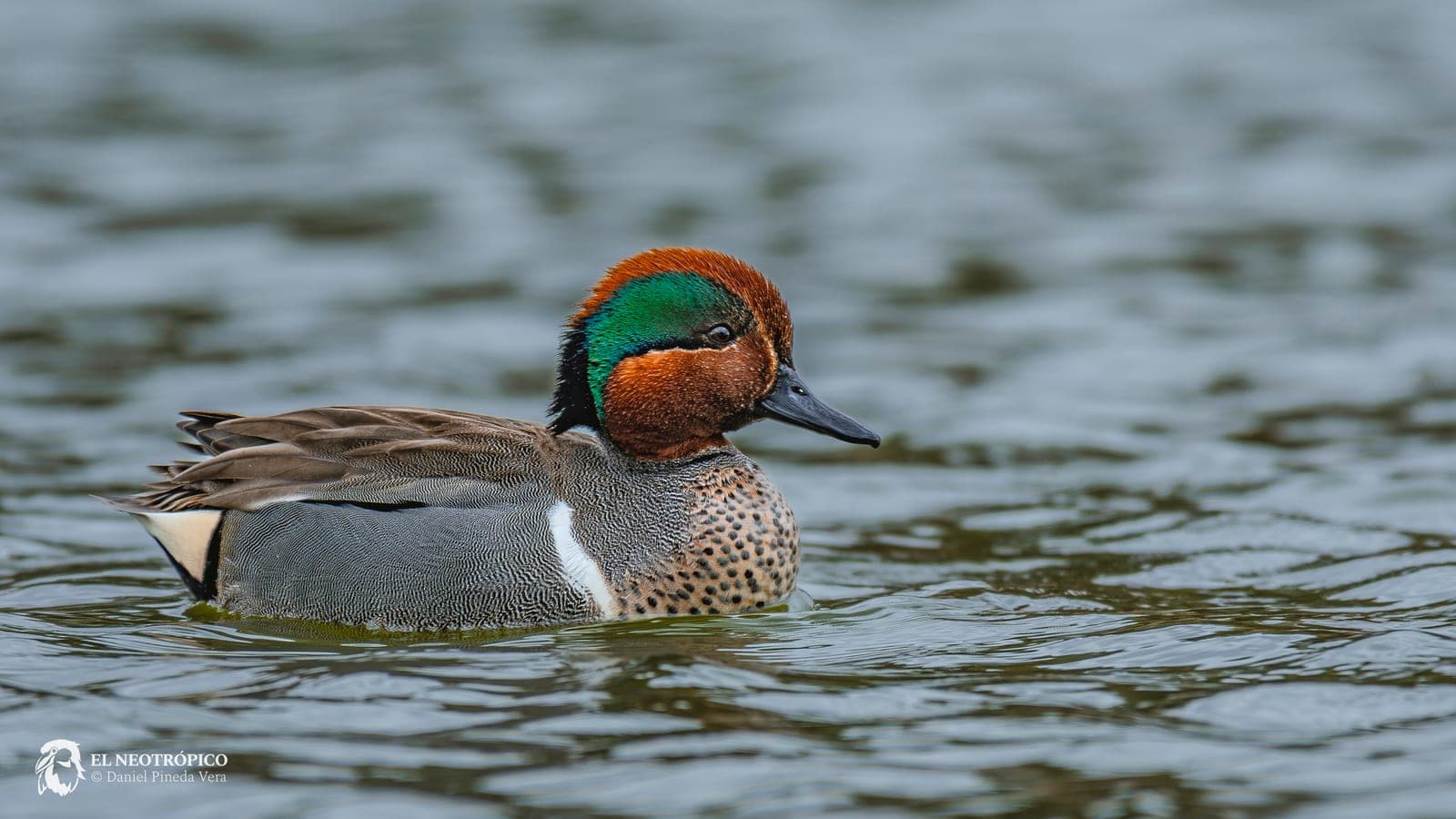
Green-winged Teal

Anas crecca

The green-winged teal is the smallest dabbling duck in North America, a fast, twisting flyer that buzzes decoys in tight flocks and has handed generations of duck hunters their most humbling misses. Small as it is, it is one of the most harvested ducks in the United States, averaging well over a million birds a season.

Read the full guide →

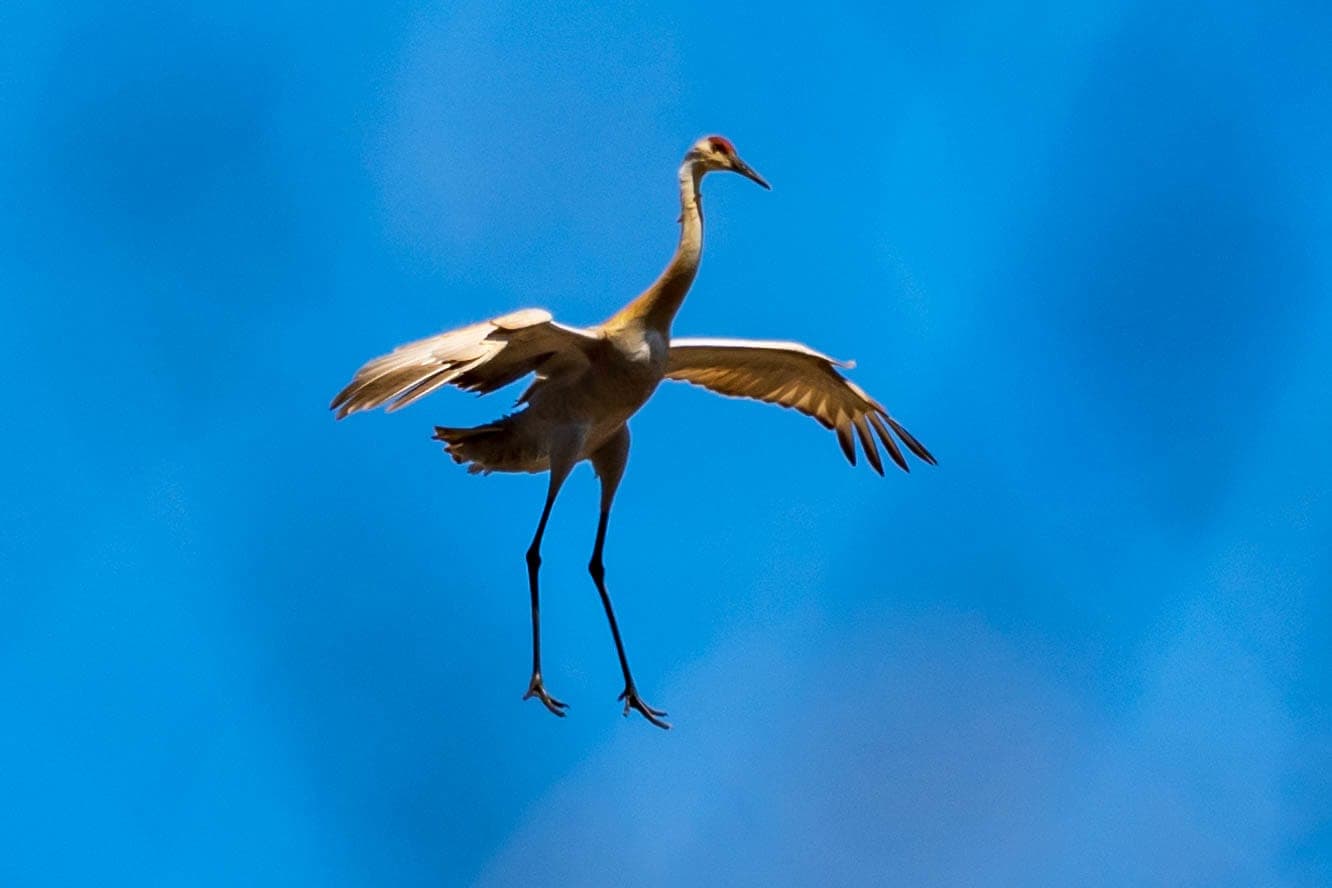
Sandhill Crane

Antigone canadensis

The sandhill crane is a tall, gray, red-capped bird of prairies, marshes and grain fields whose rolling bugle calls and spring gatherings on Nebraska's Platte River draw visitors from around the world. In parts of the Central and Pacific flyways and a handful of other states and provinces it is also a legal game bird with superb red meat, but it shares much of its range with the endangered whooping crane, so careful identification comes first.

Read the full guide →

Think you could name them from a few clues? A new mystery animal drops every day.

Play the daily hunt game