Field guide · 8 animals

Upland Game Birds

Upland birds are the game birds of fields, forests and sagebrush rather than water: wild turkeys, pheasants, grouse, quail, chukar and doves. Most are hunted with a shotgun, many of them over pointing or flushing dogs.

Some, like the ring-necked pheasant and chukar, were introduced from Asia and now thrive in the West and the Plains; others, like the sage-grouse, are native birds whose numbers are closely watched.

At a glance

AnimalTypeHabitatHeadgearRegionTypical weightDiet
Wild TurkeyUpland birdForestNoneNationwide18 lbOmnivore
Ring-necked PheasantUpland birdFarmlandNoneGreat Plains3 lbOmnivore
Ruffed GrouseUpland birdForestNoneNorthern forests1 lbHerbivore
Northern BobwhiteUpland birdGrasslandNoneSouthern woods0.4 lbOmnivore
ChukarUpland birdMountainsNoneWestern mountains1.3 lbHerbivore
Sharp-tailed GrouseUpland birdGrasslandNoneGreat Plains2 lbHerbivore
Mourning DoveUpland birdFarmlandNoneNationwide0.3 lbHerbivore
Greater Sage-GrouseUpland birdGrasslandNoneWestern mountains5 lbHerbivore

Wild Turkey

Meleagris gallopavo

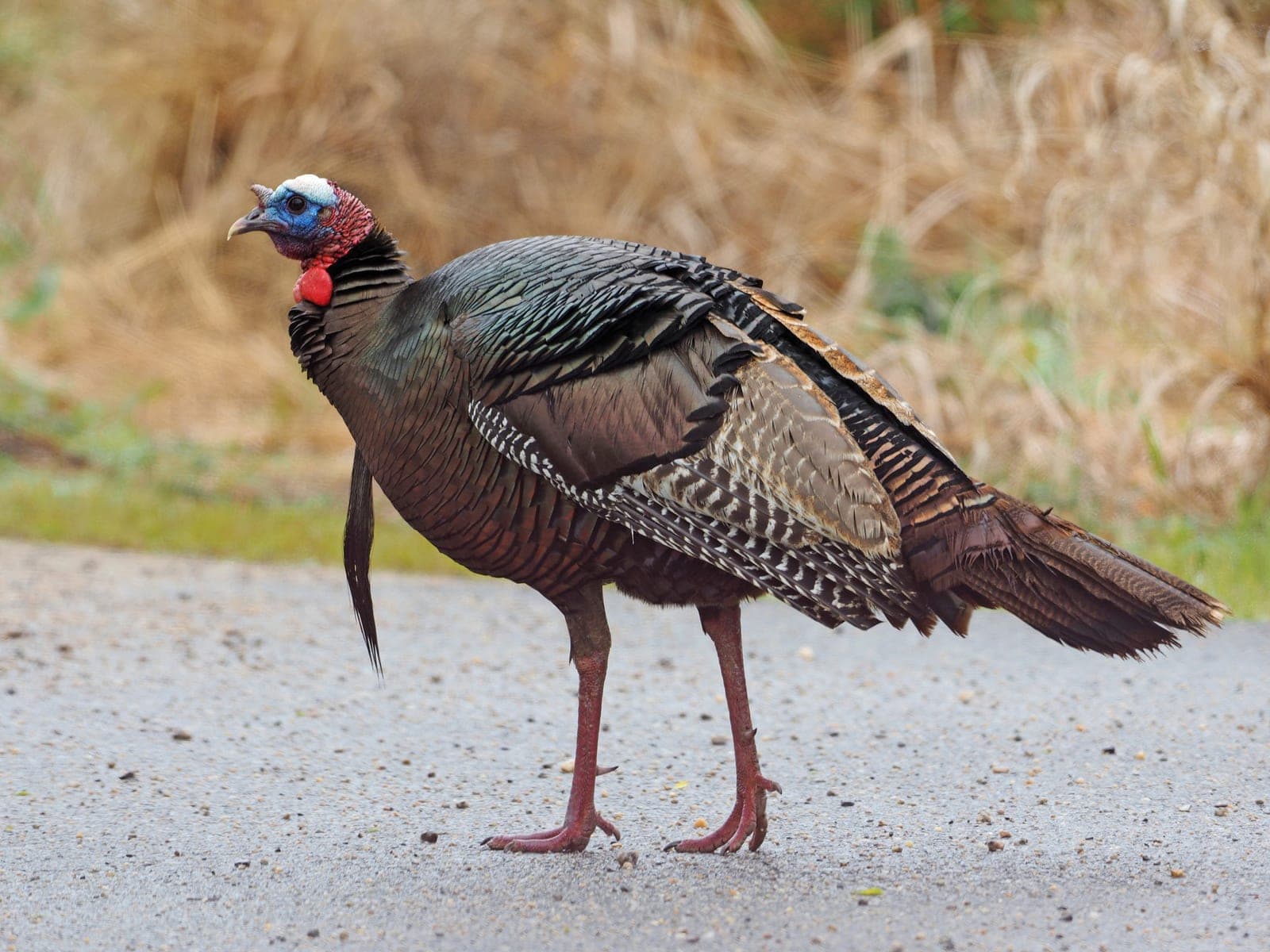
The wild turkey is North America's heaviest upland bird and the centerpiece of spring hunting: a wary, sharp-eyed bird whose booming gobble pulls hunters into the woods before daylight every spring. It is also one of the great restoration stories in wildlife management, rebuilt from a few tens of thousands of birds to millions in every one of the lower 48 states.

Read the full guide →
Ring-necked Pheasant

Phasianus colchicus

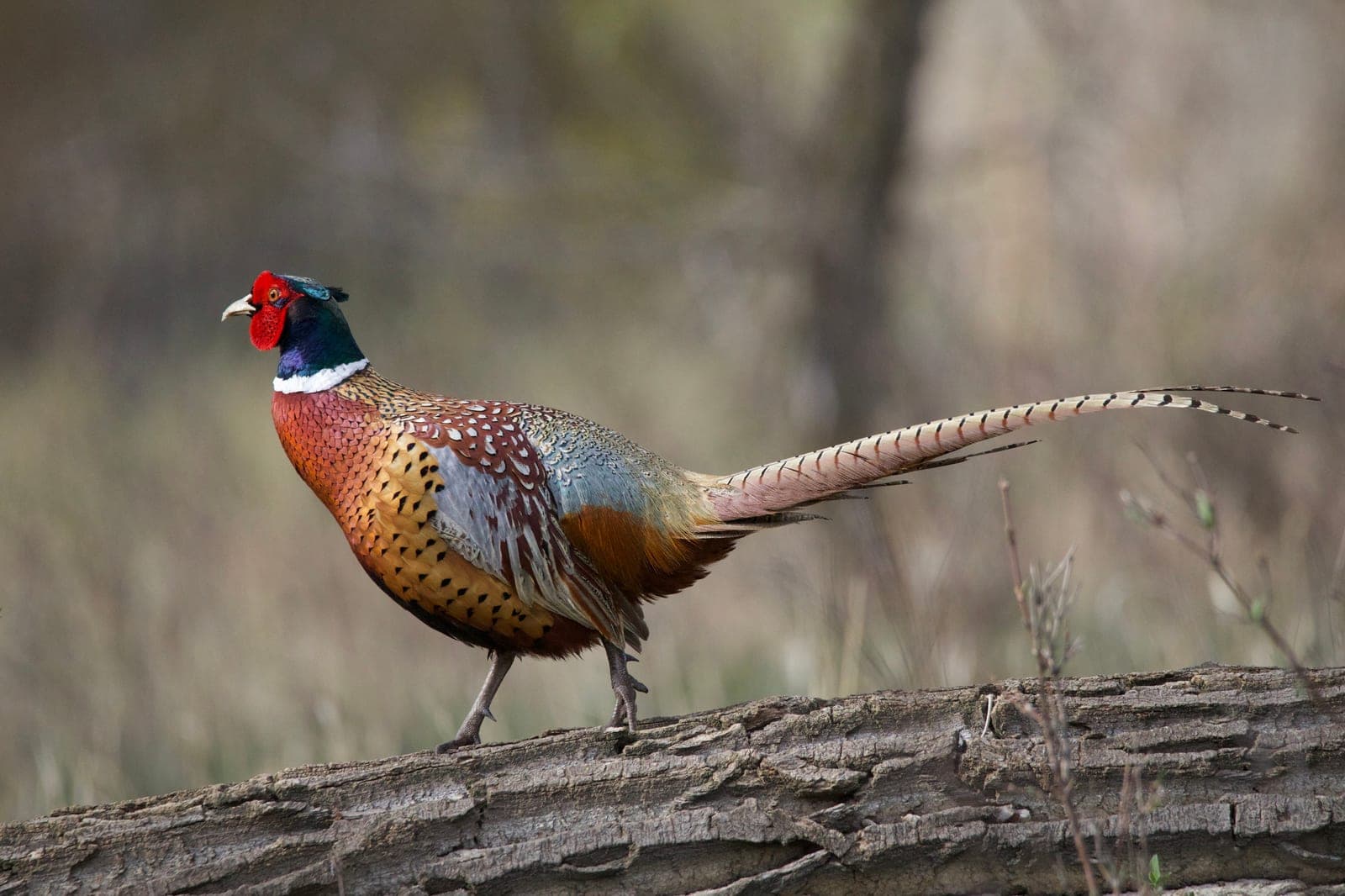
The ring-necked pheasant is an Asian bird that became the most celebrated upland game bird of the American farm belt. A cackling rooster bursting out of a cattail slough or a cut cornfield is the defining moment of a Midwest bird season, and the pheasant is popular enough that South Dakota made it the state bird.

Read the full guide →

Ruffed Grouse

Bonasa umbellus

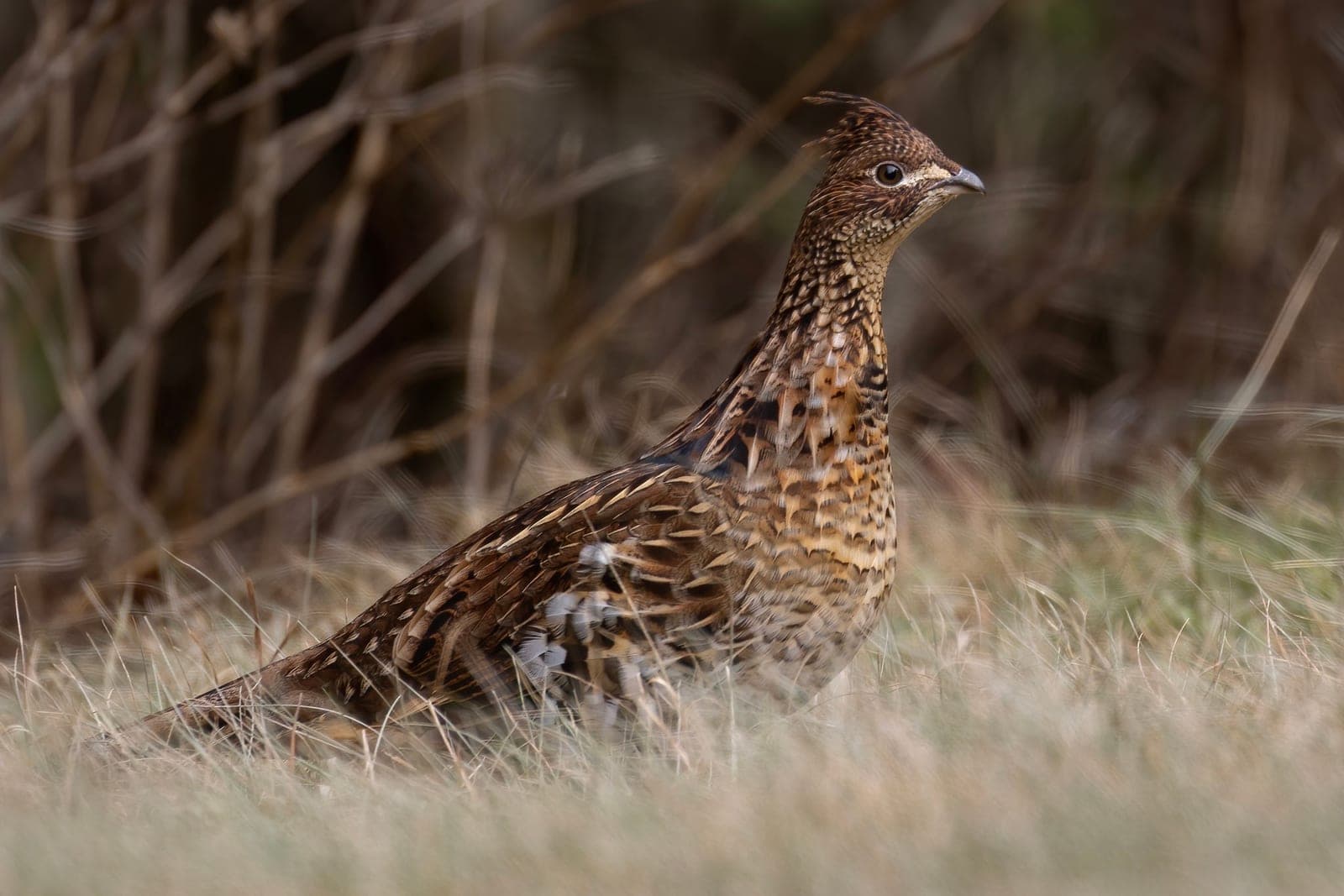
The ruffed grouse is the classic game bird of northern woods, a forest grouse whose thundering flush and twisting escape through the trees have earned it the title 'king of game birds' among upland hunters. It is the most widespread game bird in North America, found from Alaska to the Appalachians, and its spring drumming is one of the signature sounds of the northern forest.

Read the full guide →

Northern Bobwhite

Colinus virginianus

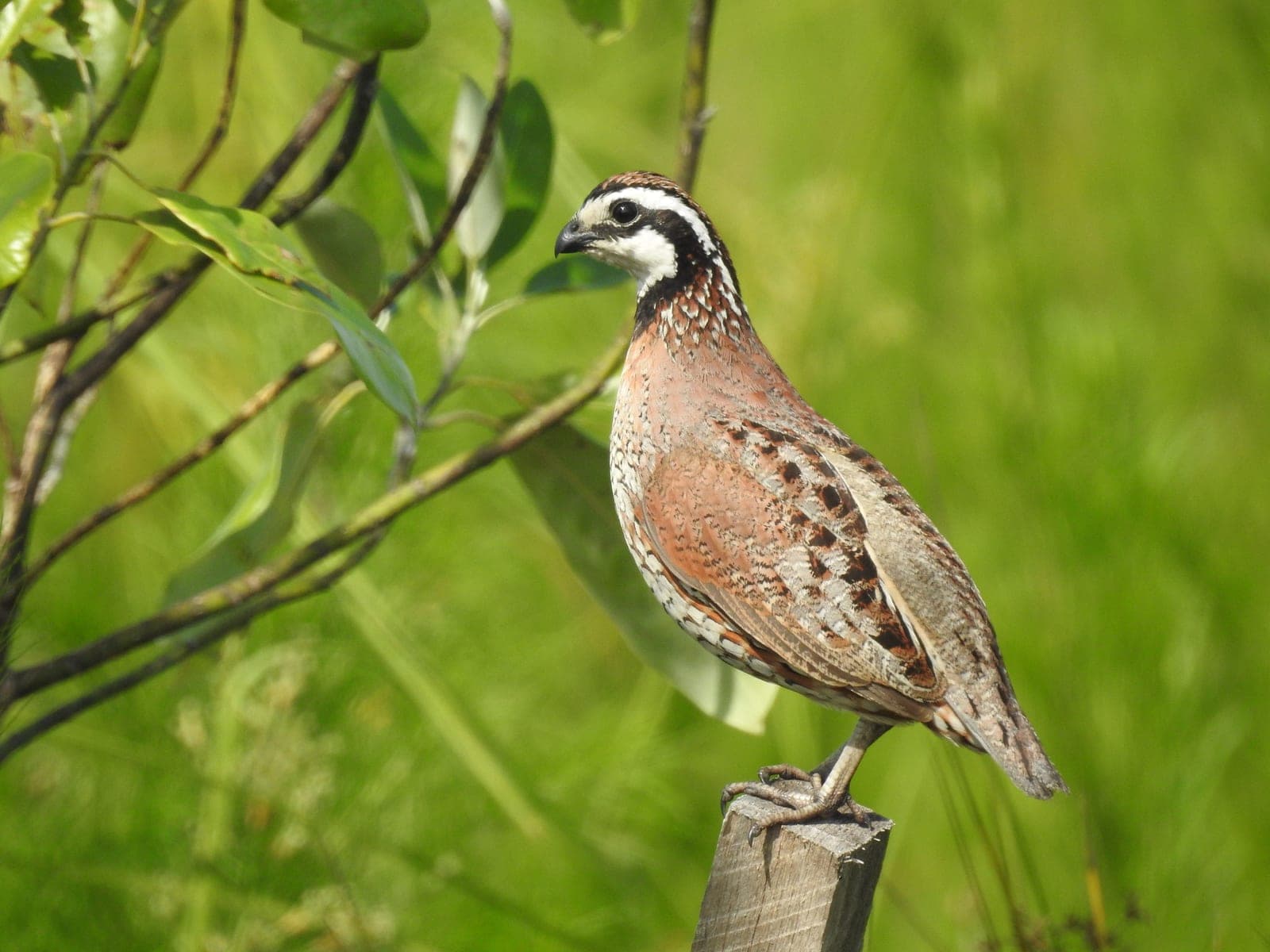
The northern bobwhite is the quail of the eastern and southern United States, a round little bird whose whistled 'bob-WHITE' is the sound of a Southern summer and whose covey rise in front of a pointing dog is a hallowed Southern hunting tradition. It is also a conservation worry: bobwhite numbers have fallen by more than 80 percent since the 1960s.

Read the full guide →

Chukar

Alectoris chukar

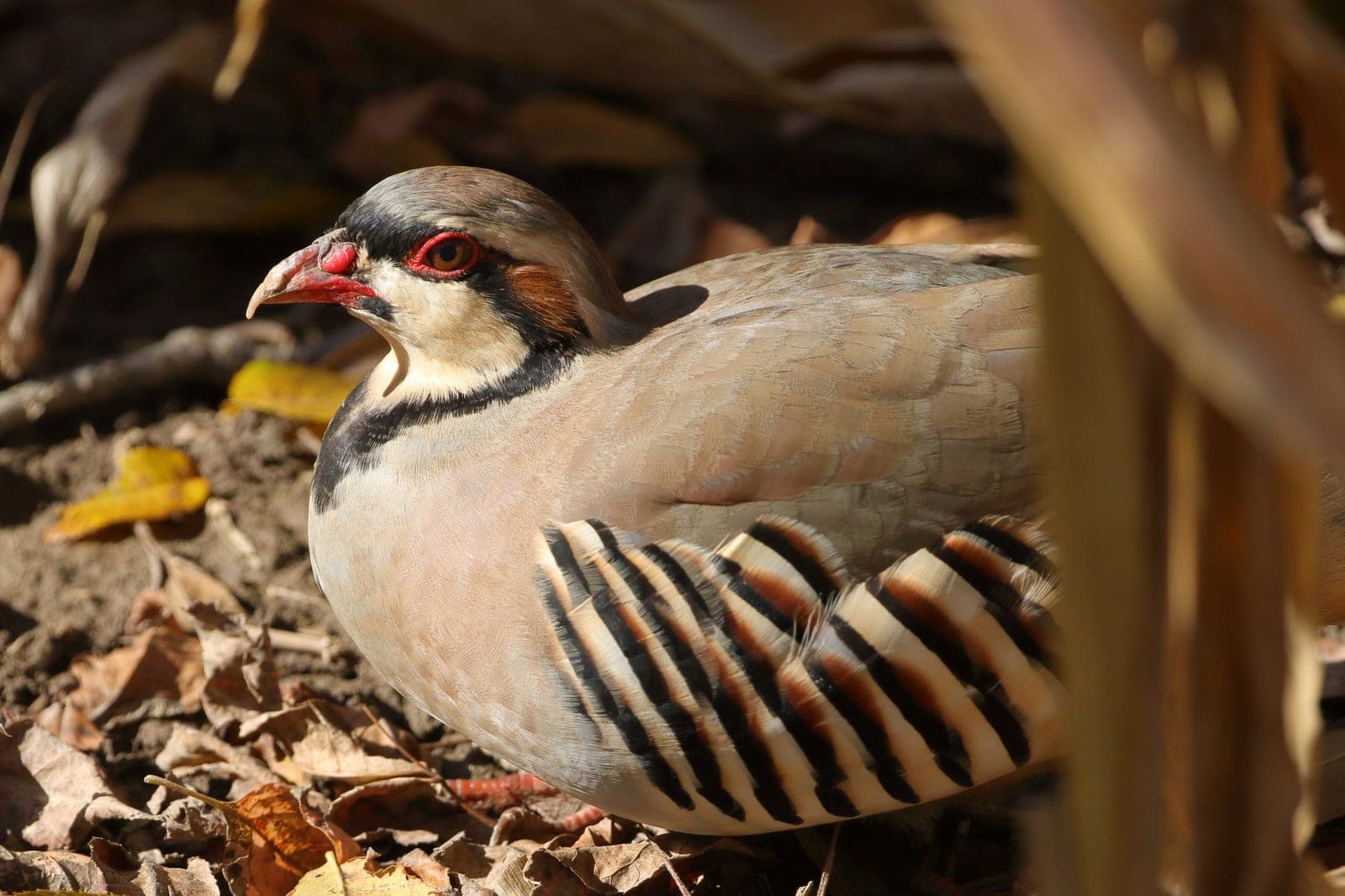
The chukar is a partridge from the dry mountains of Asia that found a perfect second home in the canyons and rimrock of the American West. It is widely considered the toughest upland hunt on the continent, a bird that runs uphill and flies downhill across slopes steep enough to humble any hunter, and the people who love it keep coming back anyway.

Read the full guide →

Sharp-tailed Grouse

Tympanuchus phasianellus

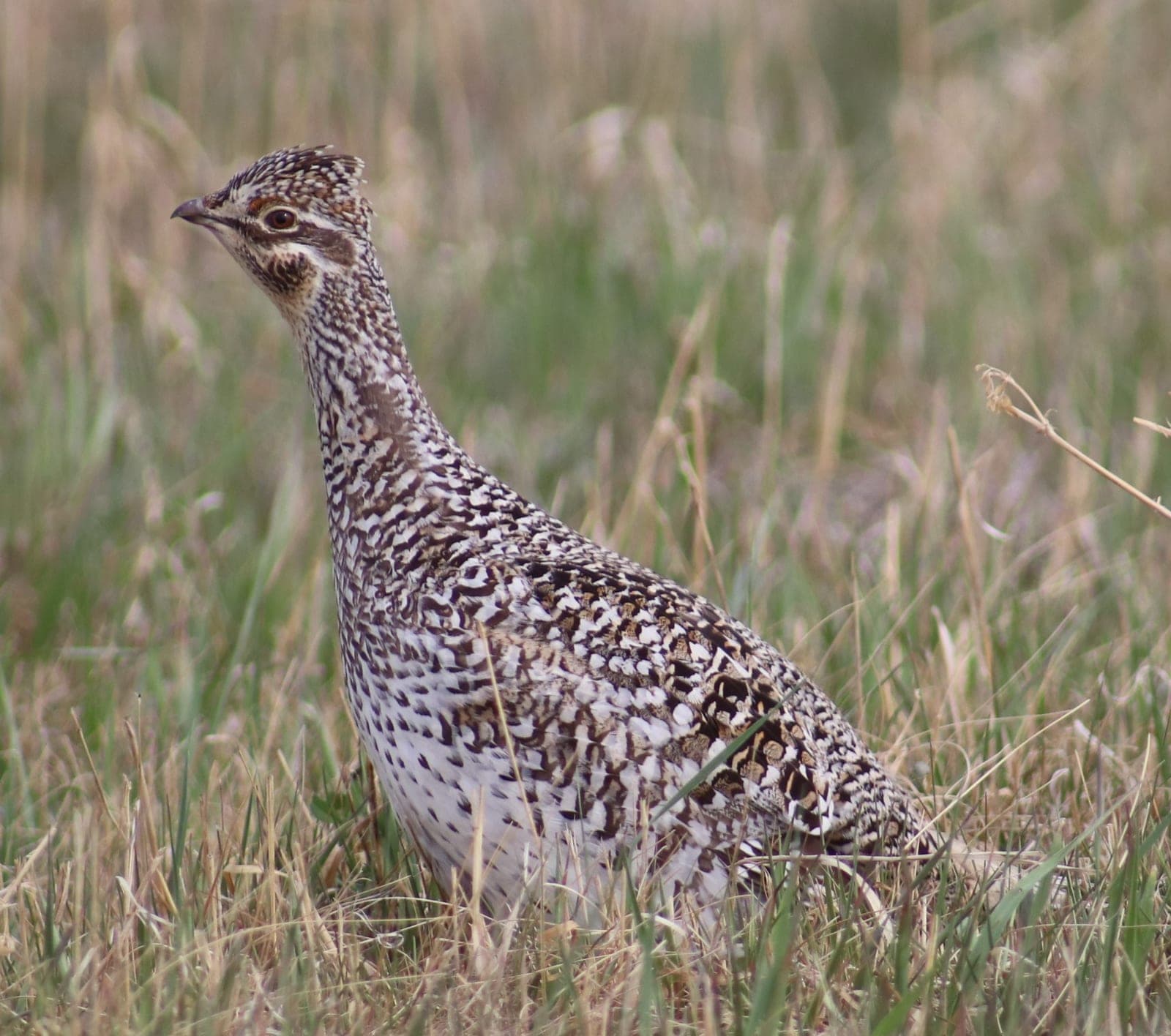
The sharp-tailed grouse is the bird of the northern prairie and brushland, a pale, speckled grouse that dances on communal display grounds every spring and flushes with a chuckling call across open country every fall. It is the provincial bird of Saskatchewan and a favorite of hunters who like big skies, long walks and pointing dogs.

Read the full guide →

Mourning Dove

Zenaida macroura

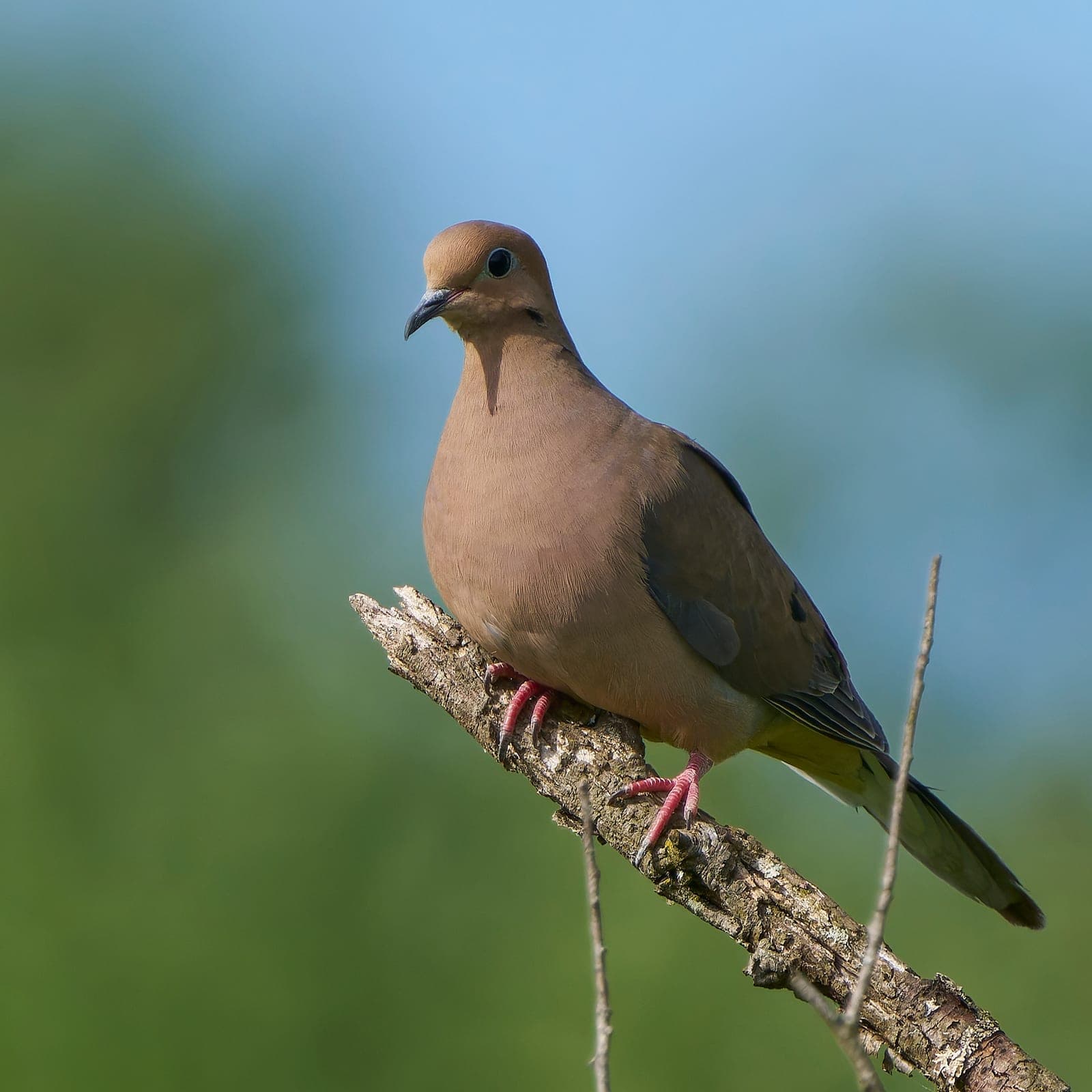
The mourning dove is one of the most common birds in North America and the continent's leading game bird by numbers taken. Its soft, owl-like cooing is familiar in every backyard, and the opening days of dove season in early fall, with hunters lining a cut sunflower field, are a late-summer tradition across the South and Midwest.

Read the full guide →

Greater Sage-Grouse

Centrocercus urophasianus

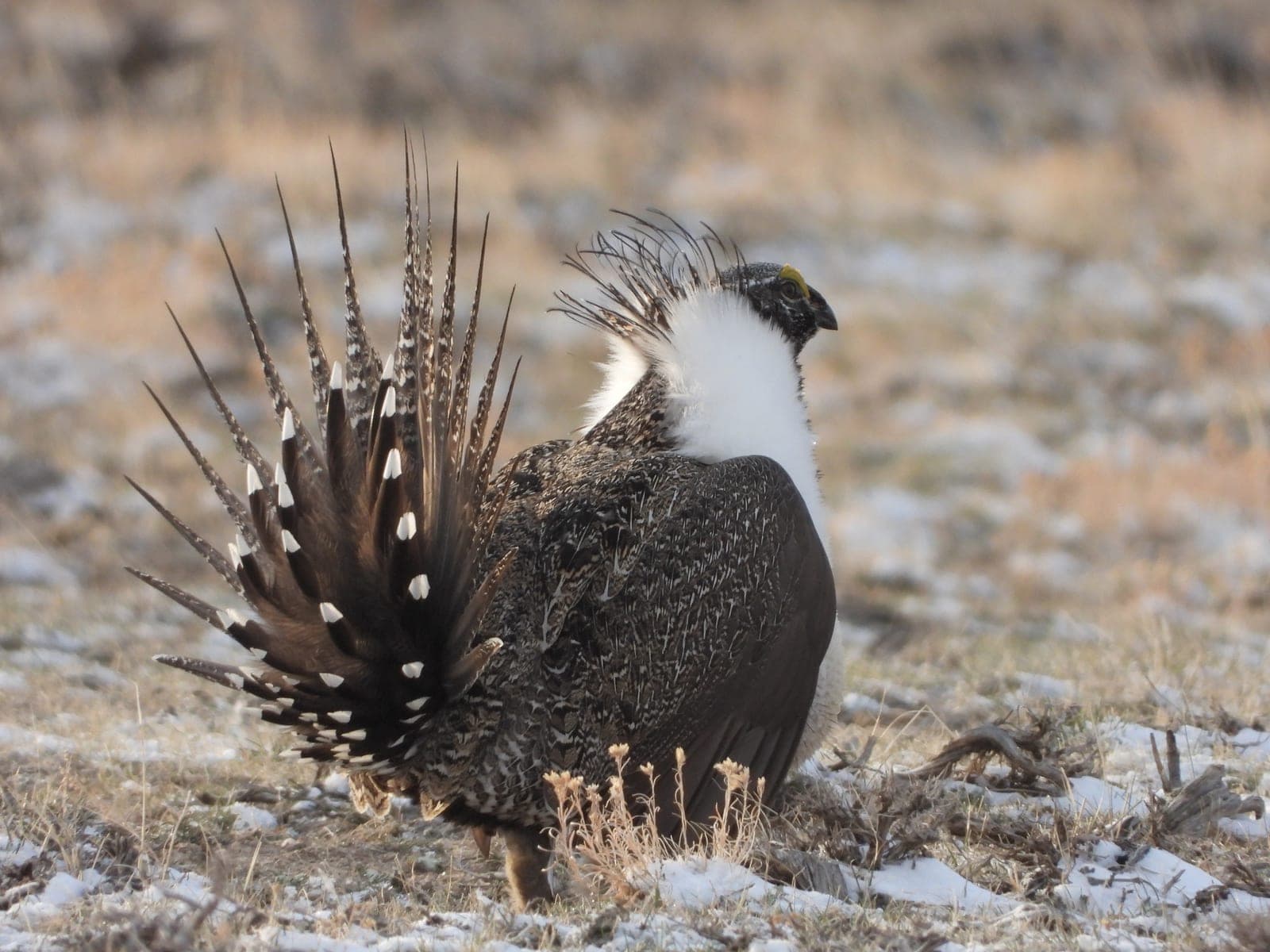
The greater sage-grouse is the largest grouse in North America and the emblem of the western sagebrush sea, famous for the strutting males that gather on dancing grounds before dawn every spring. It is also one of the most closely watched birds in the West: its decline drives land-use decisions across eleven states, and hunting is closed or tightly limited across much of its range.

Read the full guide →

Think you could name them from a few clues? A new mystery animal drops every day.

Play the daily hunt game