Field guide · 10 animals

North American Predators

North America's predators range from foxes under 15 pounds to grizzlies that can top 600. Some, like the coyote, have spread across the whole continent; others, like the Canada lynx, depend on deep snow and a single prey species.

Rules for hunting and trapping predators vary more than for any other group, from year-round seasons to full protection, so always check current regulations where you are.

At a glance

AnimalTypeHabitatHeadgearRegionTypical weightDiet
Black BearPredatorForestNoneNationwide300 lbOmnivore
Grizzly BearPredatorMountainsNoneWestern mountains600 lbOmnivore
Mountain LionPredatorMountainsNoneWestern mountains140 lbCarnivore
BobcatPredatorForestNoneNationwide22 lbCarnivore
Canada LynxPredatorForestNoneNorthern forests24 lbCarnivore
CoyotePredatorGrasslandNoneNationwide35 lbOmnivore
Gray WolfPredatorForestNoneNorthern forests90 lbCarnivore
Red FoxPredatorFarmlandNoneNationwide13 lbOmnivore
Gray FoxPredatorForestNoneSouthern woods11 lbOmnivore
American BadgerPredatorGrasslandNoneGreat Plains18 lbCarnivore

Black Bear

Ursus americanus

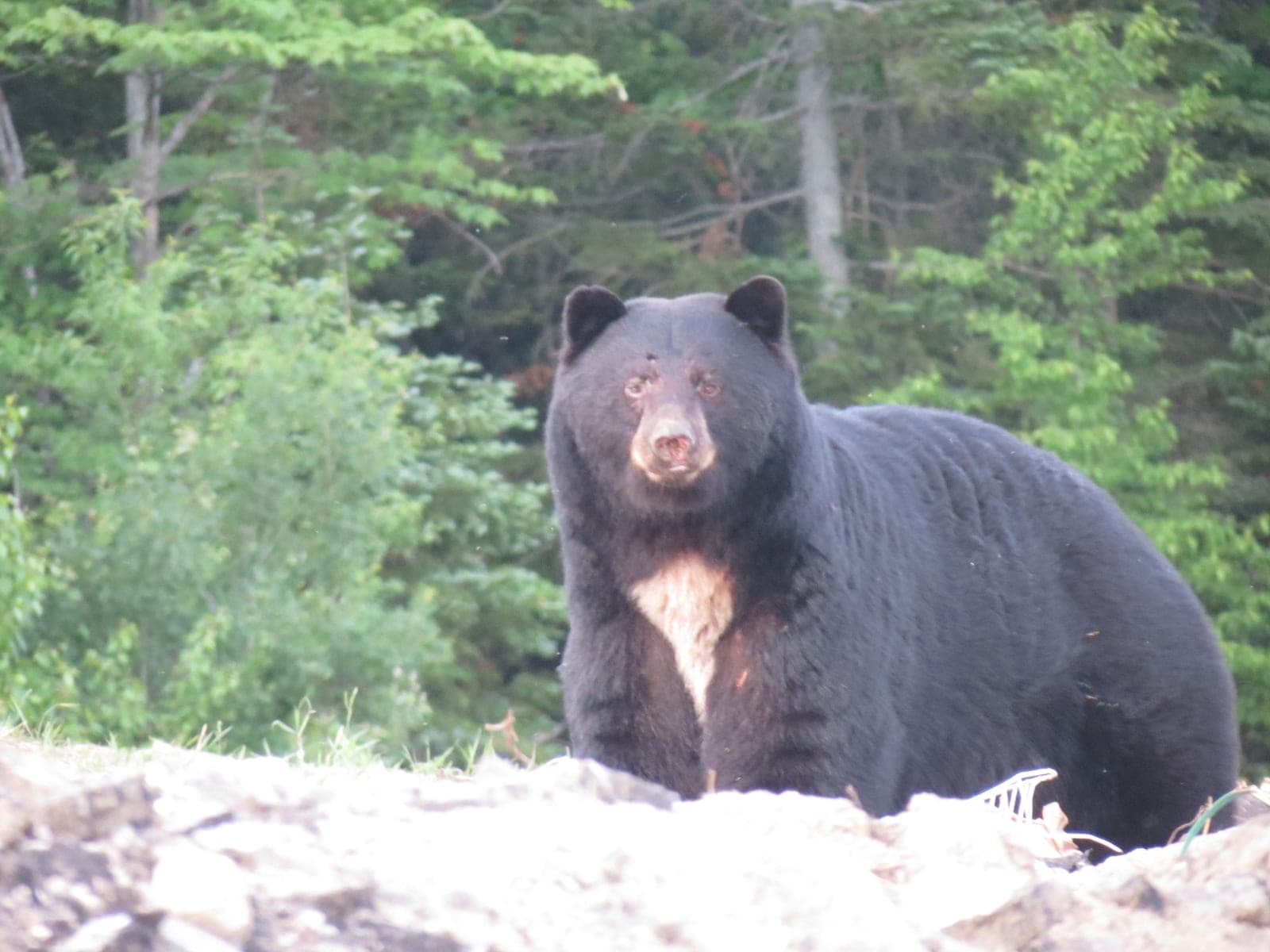
The American black bear is the continent's most common and widespread bear, living in forests from Alaska and Labrador to the mountains of Mexico. It is a major game animal across much of the United States and Canada, and because it shares so much country with people, knowing how black bears behave matters to every hunter, hiker and camper.

Read the full guide →
Grizzly Bear

Ursus arctos

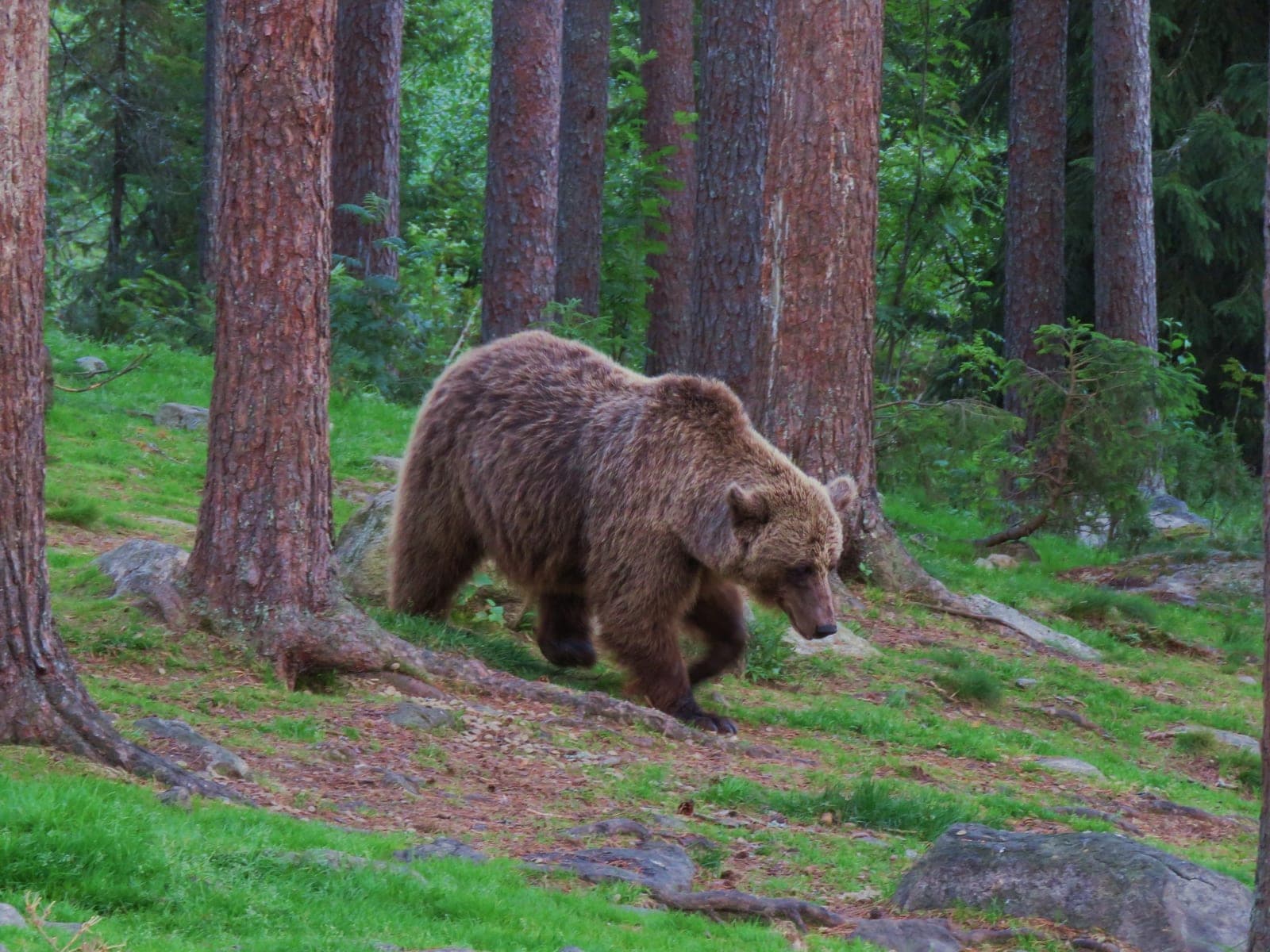
The grizzly is the inland North American form of the brown bear, the hump-shouldered bear of the northern Rockies, western Canada and Alaska. It is listed as threatened in the lower 48 states, where about 2,000 survive, and can be hunted only in Alaska and parts of northern Canada. For anyone who hunts, fishes or hikes in grizzly country, knowing this bear and carrying bear spray is part of the job.

Read the full guide →

Mountain Lion

Puma concolor

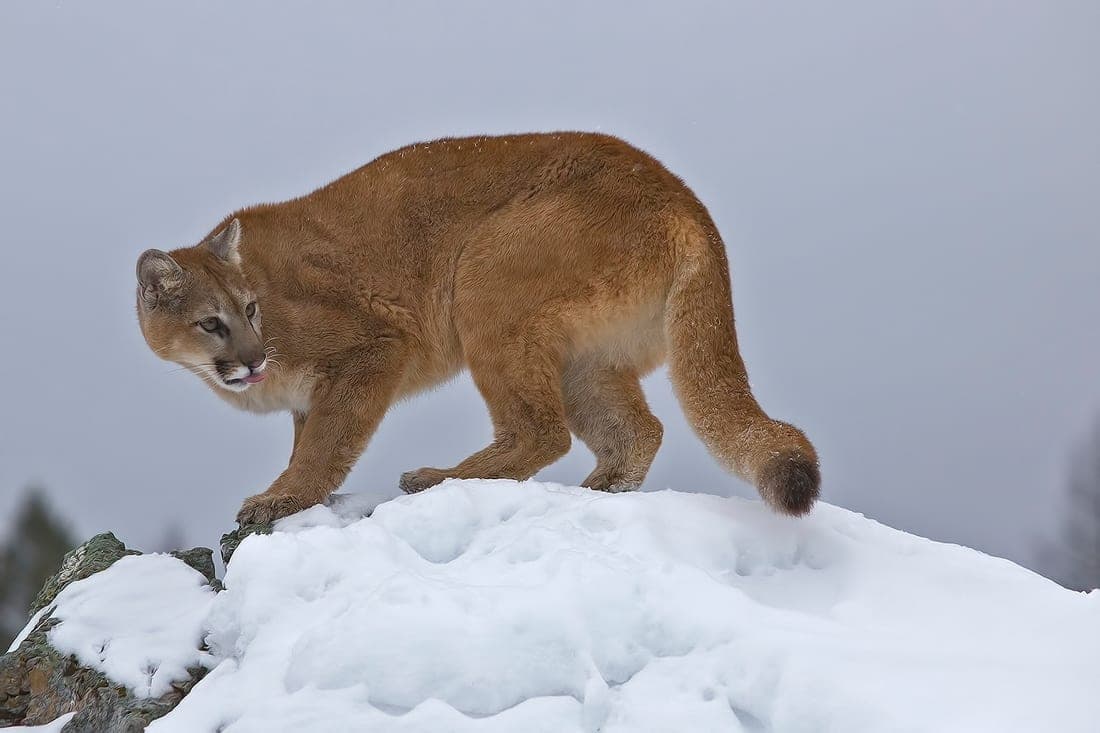
The mountain lion is the biggest cat most North American hunters will ever share the woods with: a tawny, long-tailed predator that makes its living on deer and elk from the Yukon to the tip of South America. It goes by a long list of names, it is legal game across most of the West, and it is fully protected in California, where lion hunting has been closed for more than half a century.

Read the full guide →

Bobcat

Lynx rufus

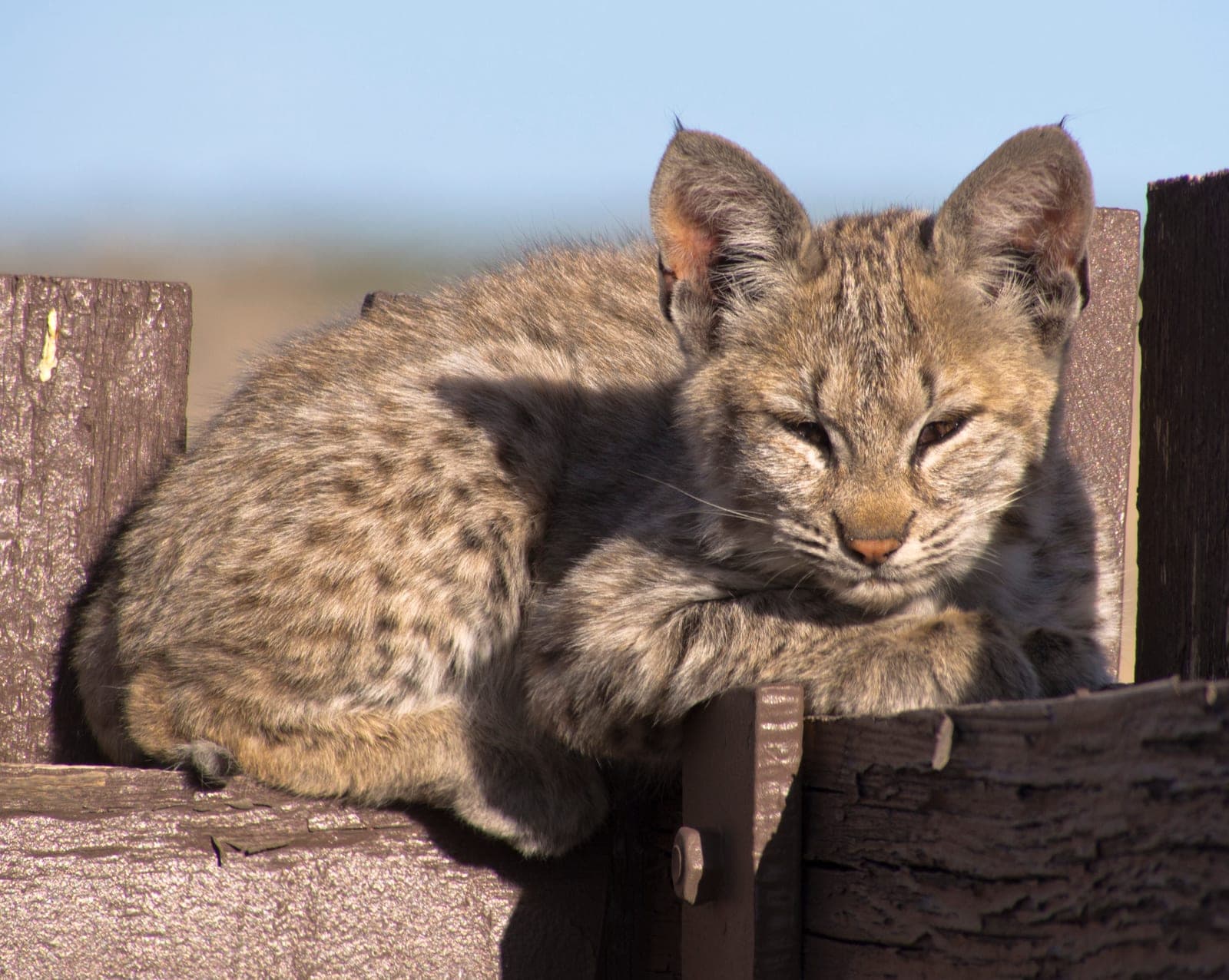
The bobcat is North America's most common wild cat, a spotted, short-tailed hunter that lives from southern Canada into Mexico and across most of the lower 48 states. Few people ever see one, but houndsmen, predator callers and trappers chase it for the challenge and for a pelt the fur trade has long valued.

Read the full guide →

Canada Lynx

Lynx canadensis

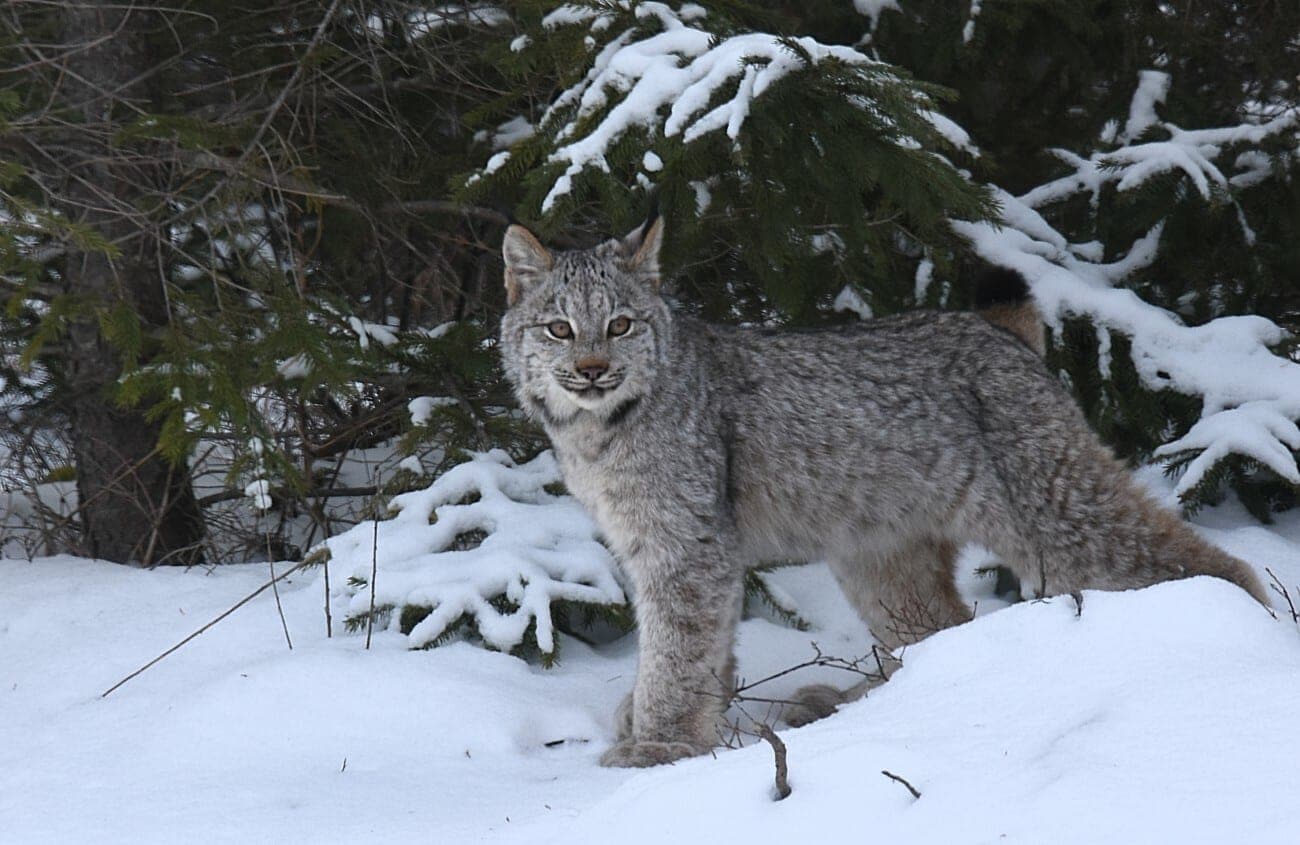
The Canada lynx is the snow cat of the boreal forest: a gray, long-legged cat with huge furred feet and long black ear tufts, built to run down snowshoe hares in deep powder. Its numbers boom and crash with the hare cycle, a pattern fur-trade records have tracked since the 1700s. In the lower 48 it is a federally threatened species, so most hunters there will only ever meet one on a trail camera.

Read the full guide →

Coyote

Canis latrans

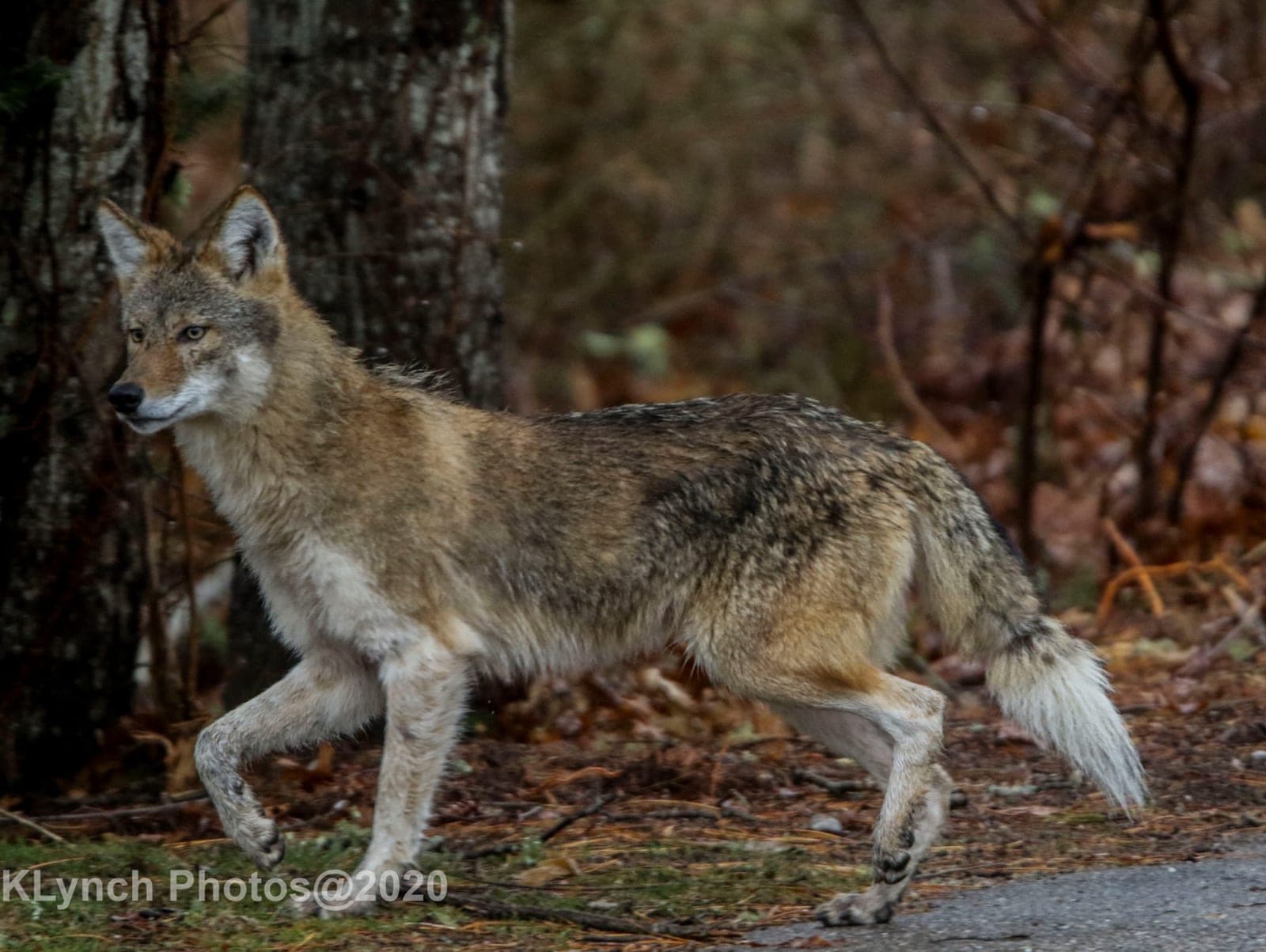
The coyote is the continent's great survivor: a lean, medium-sized wild dog that has spread from the western plains to every state in the lower 48, north into Alaska and south to Panama despite more than a century of bounties and control. It is also the most popular predator to call, legal to hunt in most states with long seasons, and as quick as any animal to catch a hunter's scent or movement.

Read the full guide →

Gray Wolf

Canis lupus

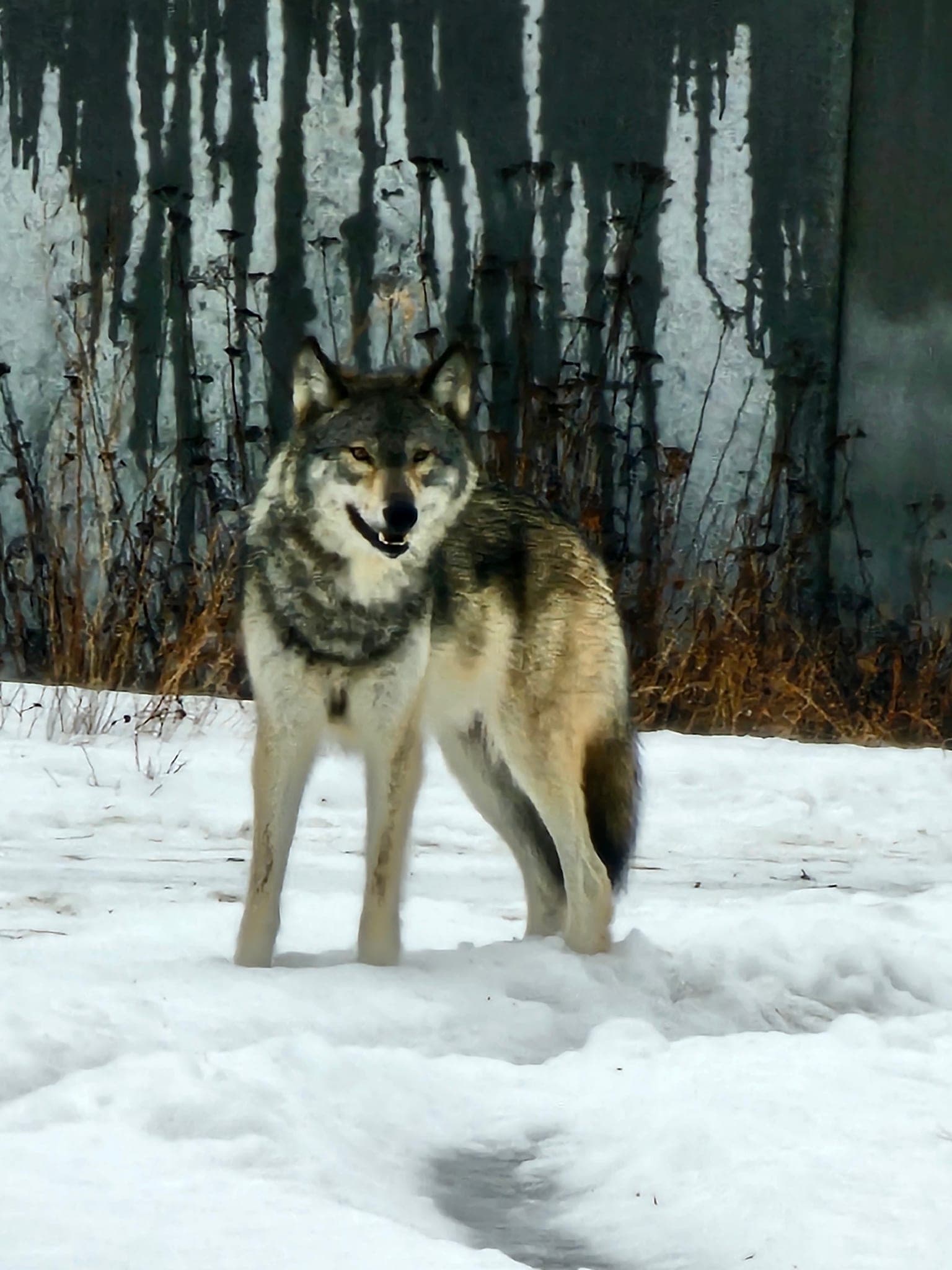
The gray wolf is the largest wild member of the dog family, a pack hunter of moose, elk, deer and caribou that once ranged over nearly all of North America. Wiped out of most of the lower 48 by the mid-1900s, it has returned to the Great Lakes states and the northern Rockies, and its legal status there has changed so many times in courts and in Congress that few hunting topics are as contested.

Read the full guide →

Red Fox

Vulpes vulpes

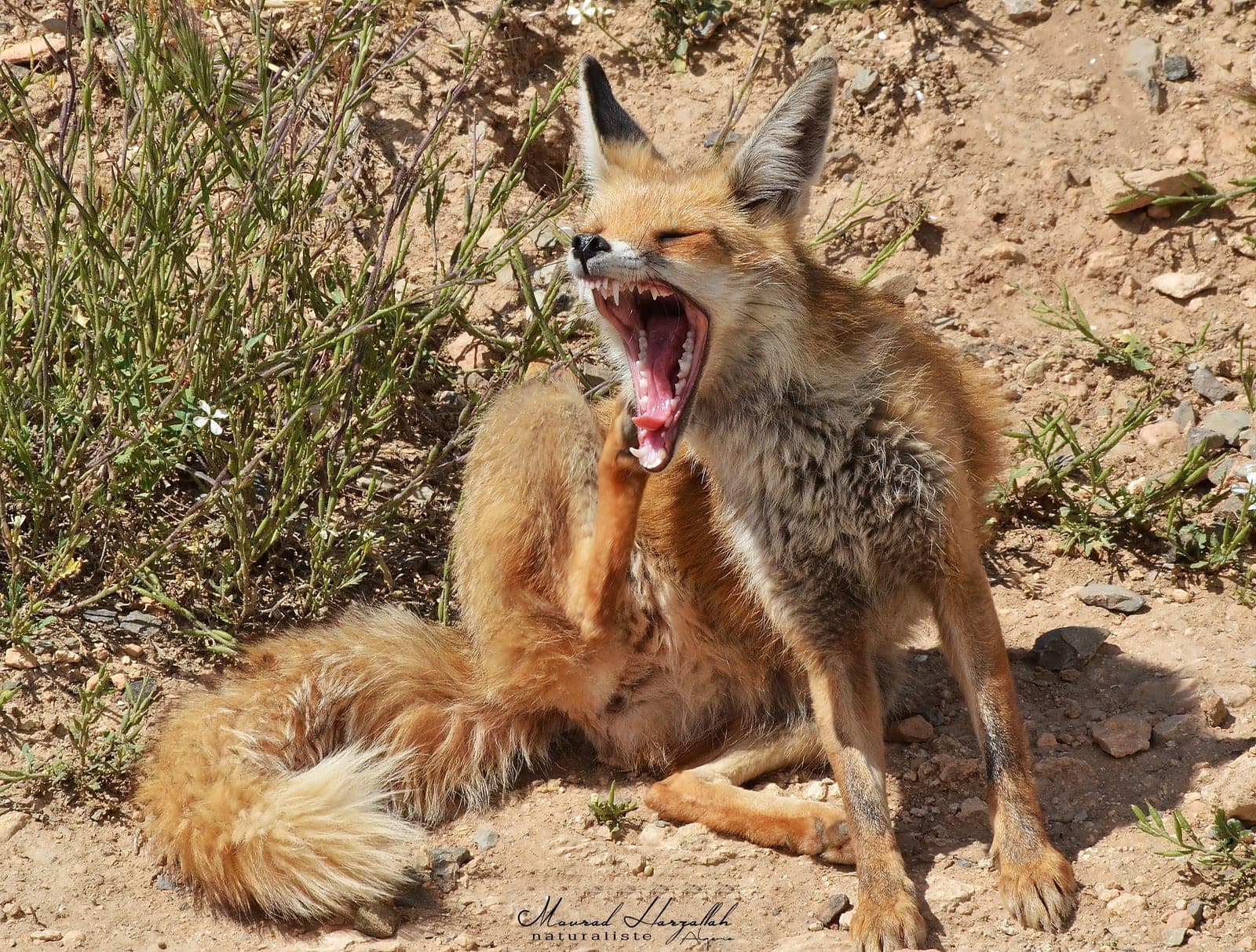
The red fox is the most widely distributed wild member of the dog family, at home from the Arctic Circle to North Africa and across nearly all of North America. In the field it is hard to mistake, a small rusty-orange canid with black stockings and a white-tipped brush, and it has been classic quarry for hound men, callers and trappers for centuries.

Read the full guide →

Gray Fox

Urocyon cinereoargenteus

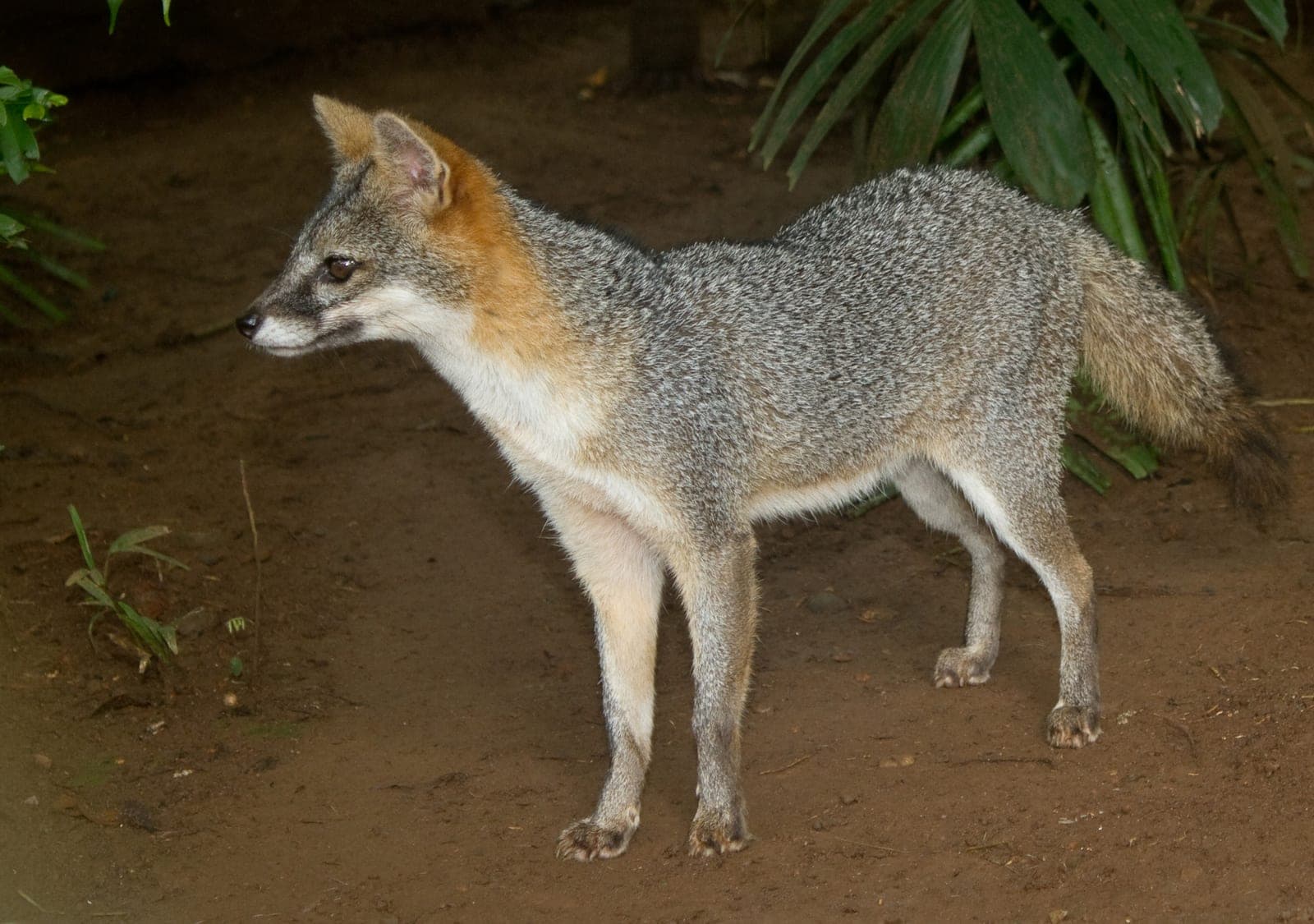
The gray fox is the cat-like fox of the hardwoods and the brush: a salt-and-pepper canid with rusty sides and a black-striped tail that can climb trees, something almost no other member of the dog family does. It ranges from southern Canada to northern South America, and callers love it because it often comes charging straight in.

Read the full guide →

American Badger

Taxidea taxus

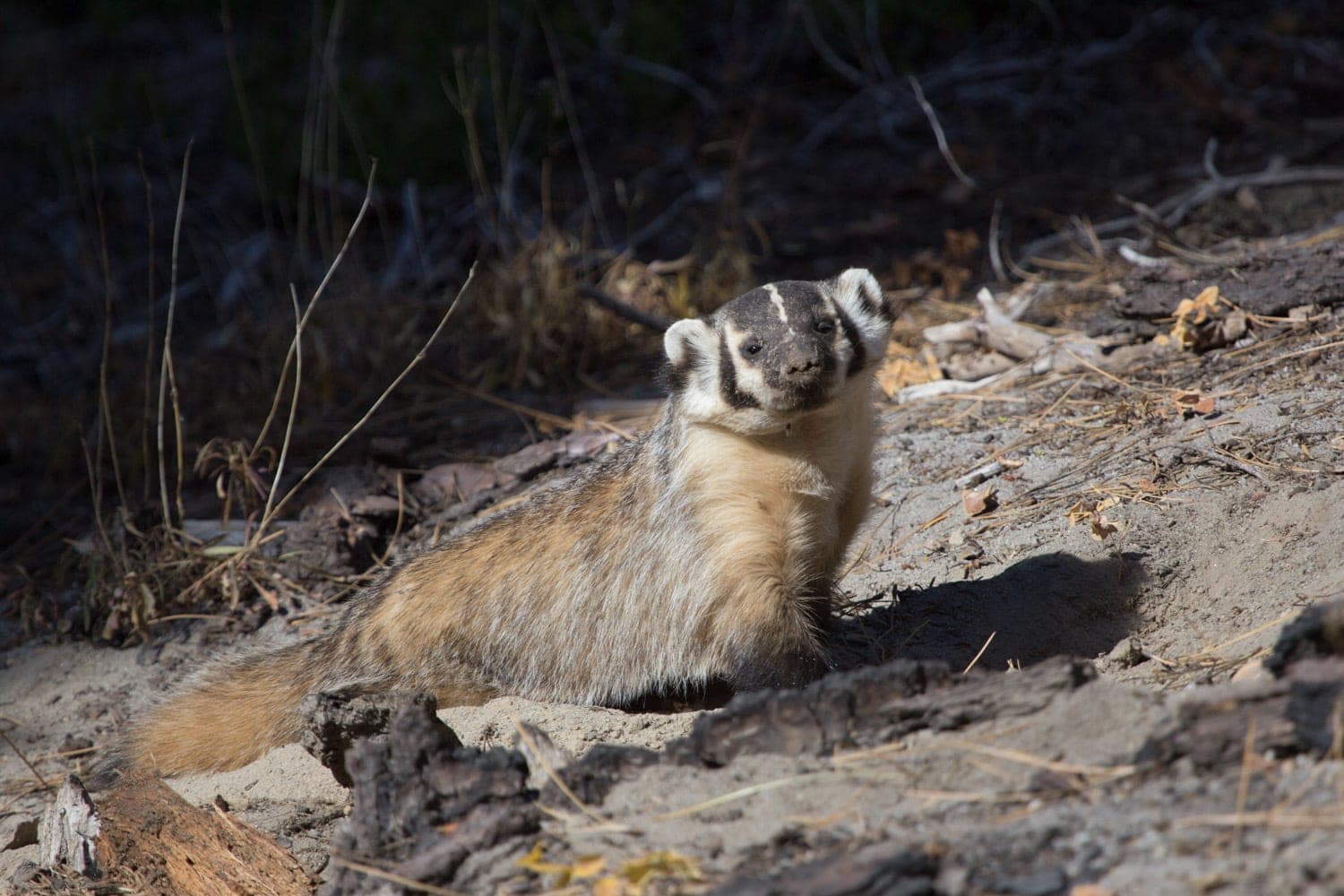
The American badger is a flat, low-slung digger of the weasel family, built to tunnel after ground squirrels, prairie dogs and pocket gophers across the Great Plains and the open West. Ranchers know it by the holes it leaves in pastures, and hunters and trappers mostly meet it by surprise, on a predator stand or along a trapline.

Read the full guide →

Think you could name them from a few clues? A new mystery animal drops every day.

Play the daily hunt game