Field guide · 8 animals

Small Game Animals

Squirrels and rabbits are where most hunters start, and for good reason: seasons are long, populations are healthy and they make excellent eating. This group also includes the furbearers trapped across the North — beaver, muskrat and raccoon — and the groundhog of farm country.

Several of these animals look alike at a glance, so the comparisons below cover the classic mix-ups: hare or rabbit, gray or fox squirrel, beaver or muskrat.

At a glance

AnimalTypeHabitatHeadgearRegionTypical weightDiet
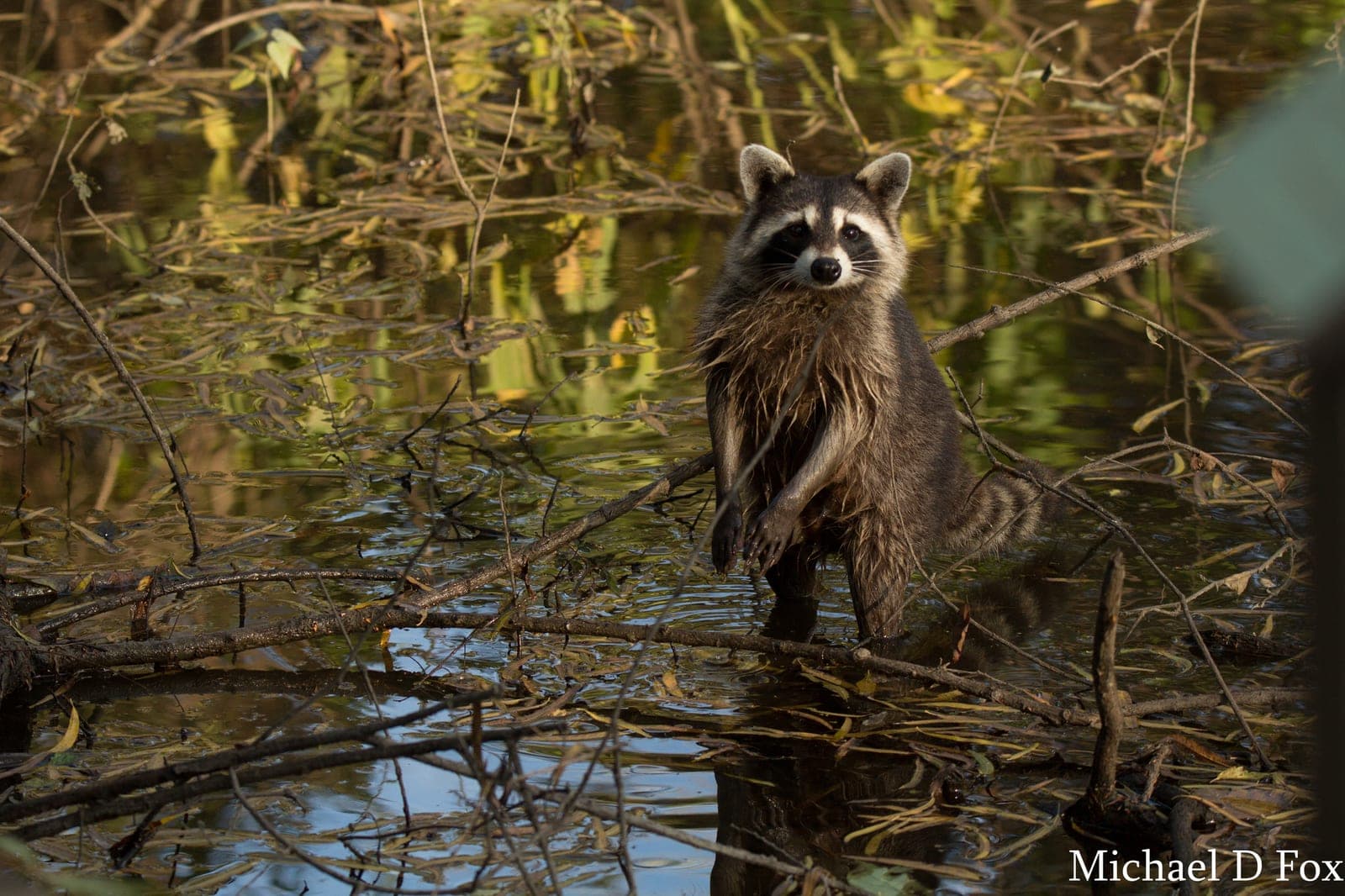
RaccoonSmall gameWetlandsNoneNationwide18 lbOmnivore
American BeaverSmall gameWetlandsNoneNationwide45 lbHerbivore
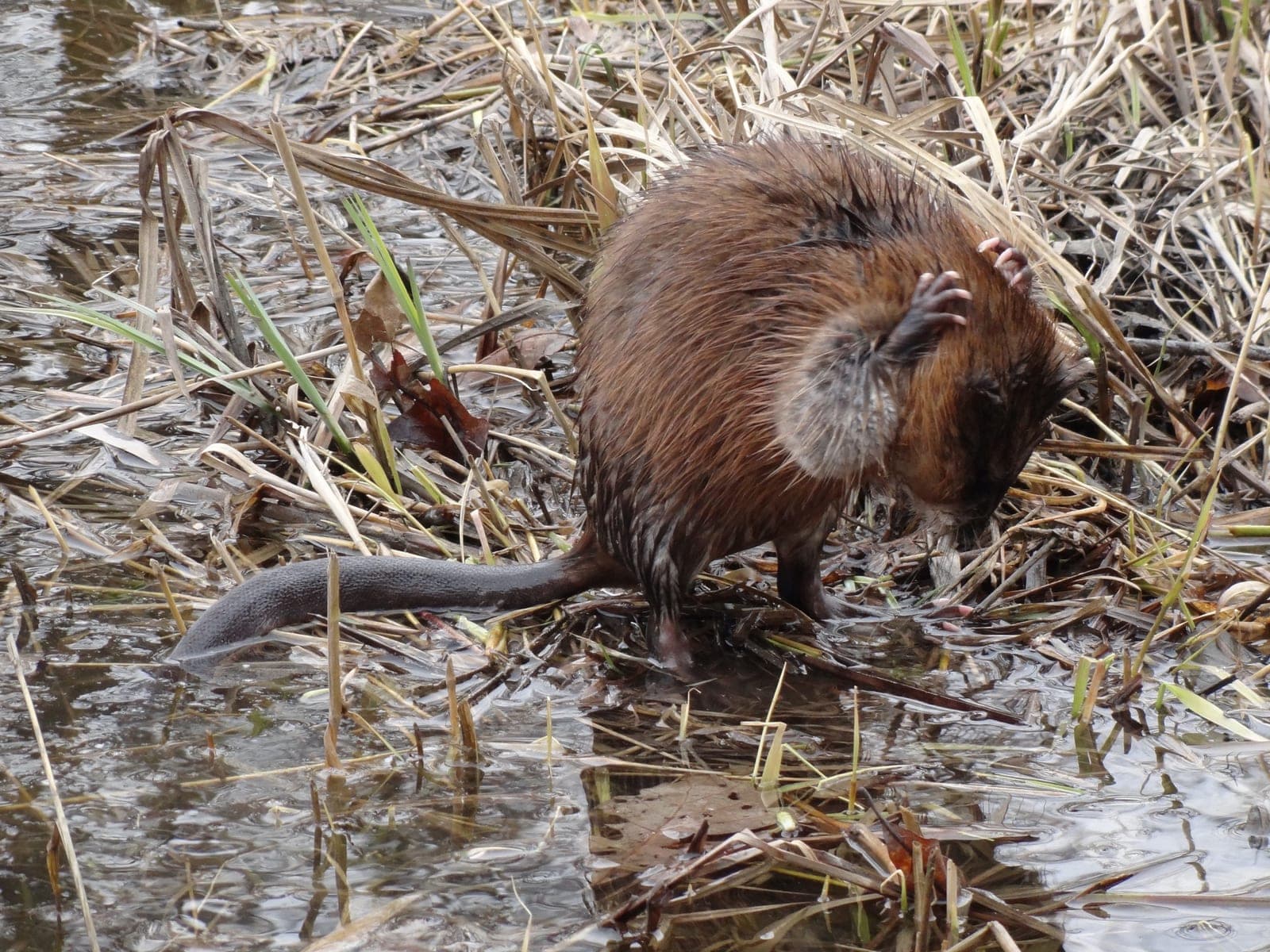
MuskratSmall gameWetlandsNoneNationwide2.5 lbHerbivore
Eastern CottontailSmall gameFarmlandNoneNationwide3 lbHerbivore
Snowshoe HareSmall gameForestNoneNorthern forests3 lbHerbivore
Eastern Gray SquirrelSmall gameForestNoneNationwide1 lbOmnivore
Fox SquirrelSmall gameForestNoneSouthern woods2 lbOmnivore
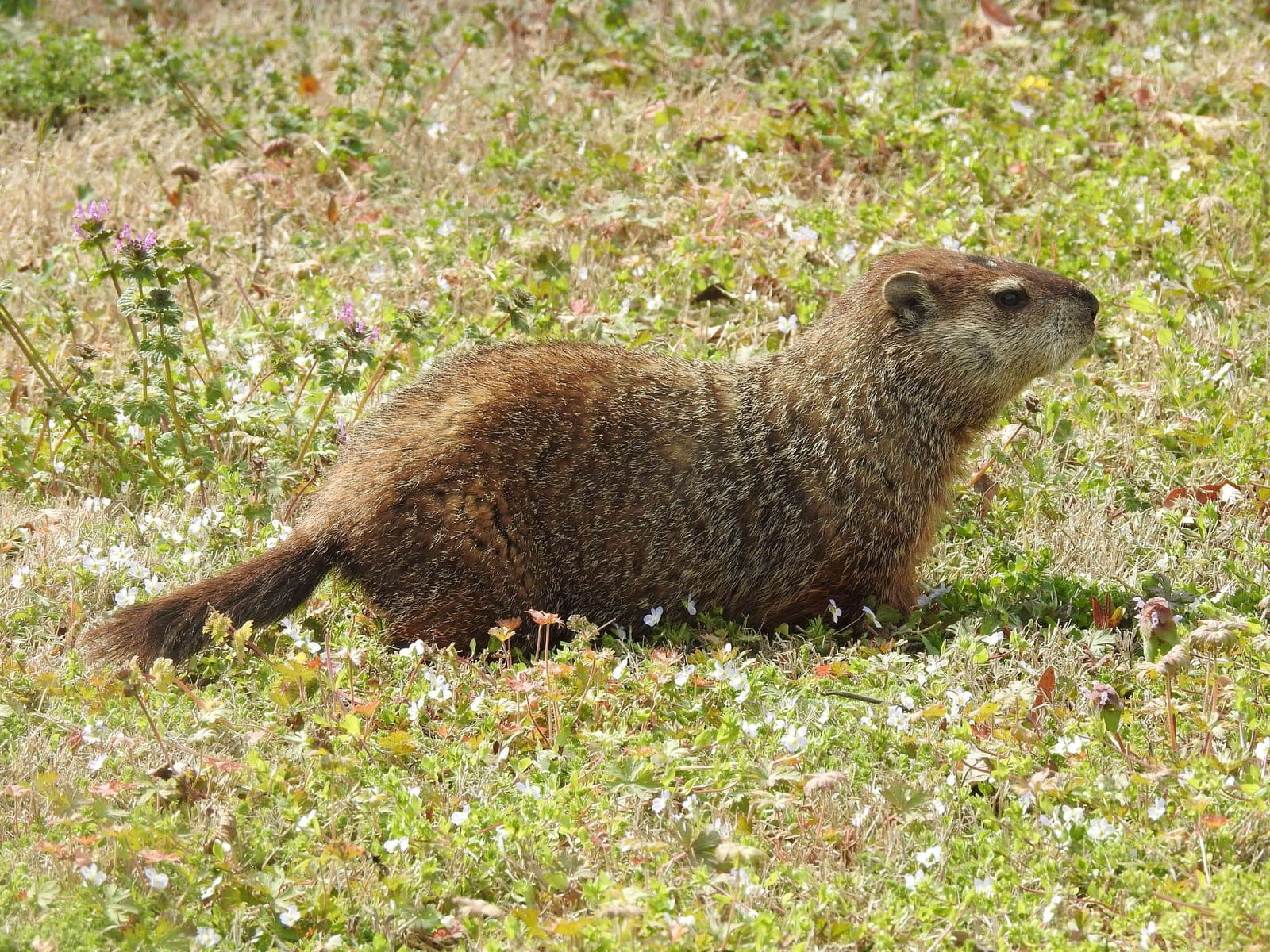
GroundhogSmall gameFarmlandNoneNorthern forests9 lbHerbivore

Raccoon

Procyon lotor

The raccoon is North America's masked night forager: a clever, nimble-fingered omnivore at home everywhere from cypress swamps to city attics. It is one of the continent's most important furbearers and the quarry of a long coonhound tradition, and it is also an animal every hunter and trapper should handle with care, because it carries rabies in the East and raccoon roundworm almost everywhere.

Read the full guide →
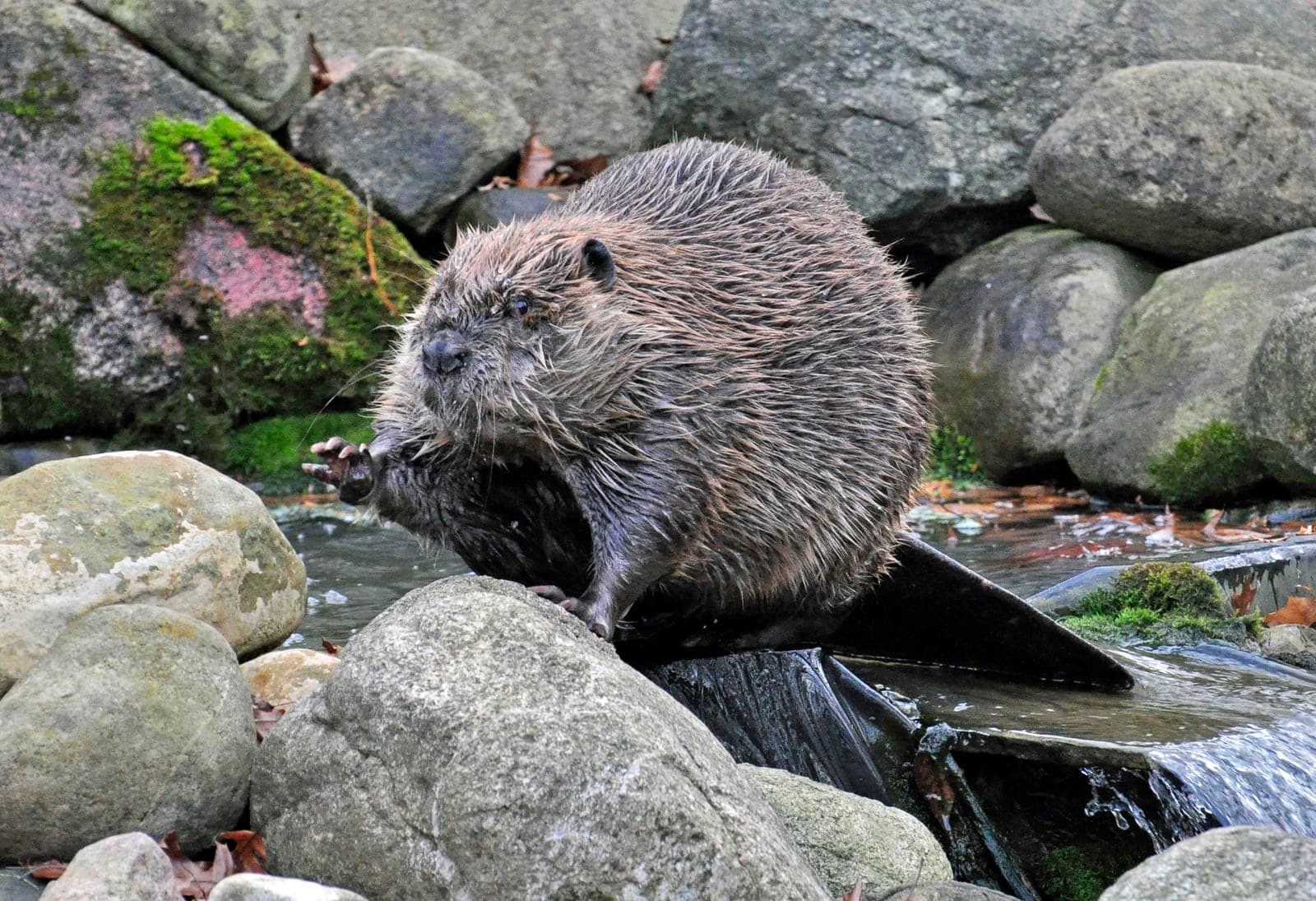
American Beaver

Castor canadensis

The American beaver is North America's largest rodent and its most influential one: by damming streams it builds ponds and wetlands that shelter fish, ducks, moose and countless other animals. Its pelt drove the continental fur trade for two centuries, and today it remains a major furbearer for trappers, a tool for stream restoration and a frequent headache for farmers and road crews.

Read the full guide →

Muskrat

Ondatra zibethicus

The muskrat is the small, busy rodent of cattail marshes, farm ponds and ditches across North America, known for its dome-shaped houses and its dense, waterproof fur. For more than a century it has been one of the continent's most important furbearers and the first animal many young trappers ever caught, and along the Detroit River it is still a traditional Lenten dinner.

Read the full guide →

Eastern Cottontail

Sylvilagus floridanus

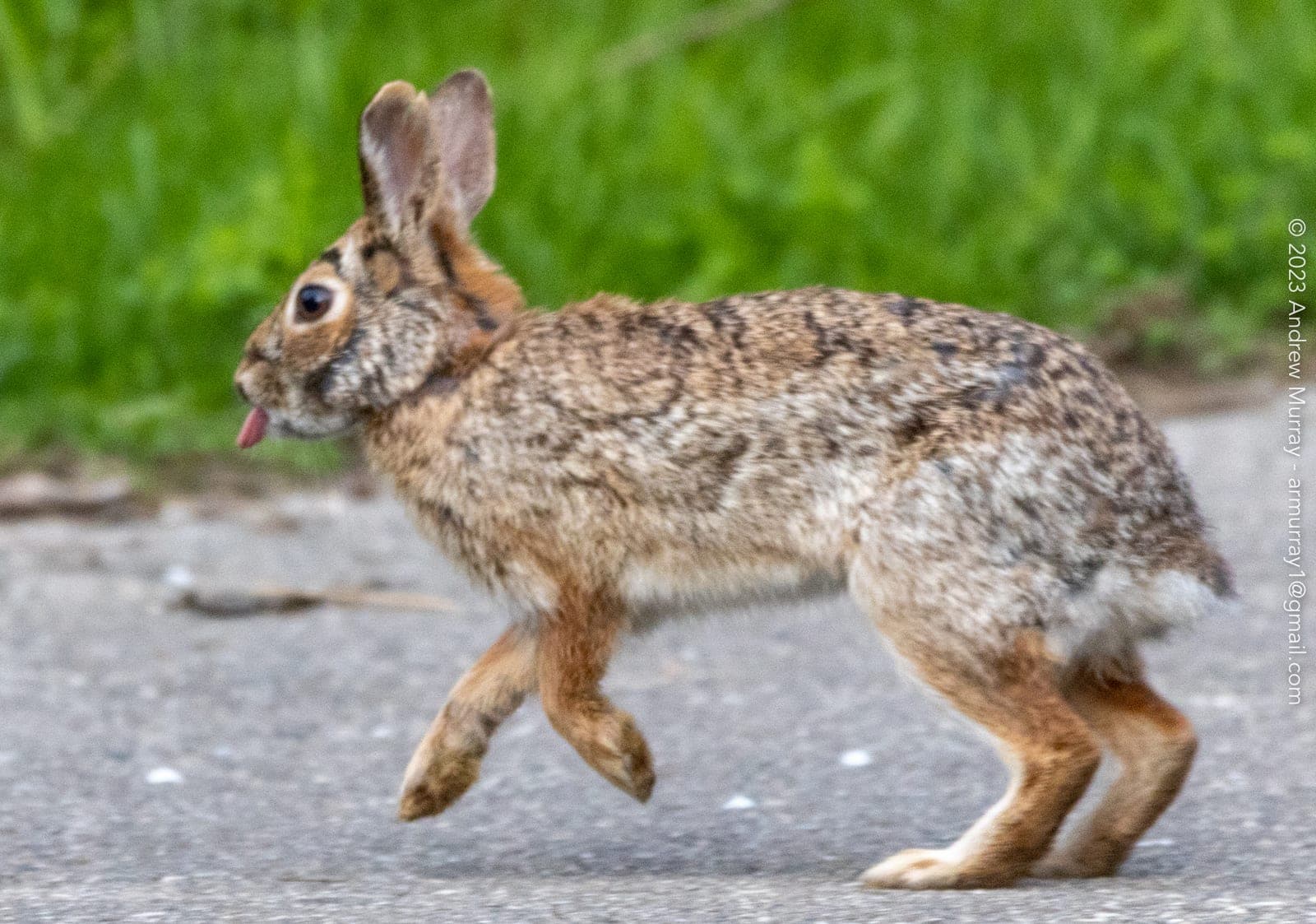
The eastern cottontail is one of the most common and widespread rabbits in North America and the backbone of small-game hunting from the Great Plains to the Atlantic. It thrives in brushy field edges, fencerows and backyards, breeds for most of the year, and has introduced generations of hunters to beagles, brush piles and cold winter mornings.

Read the full guide →

Snowshoe Hare

Lepus americanus

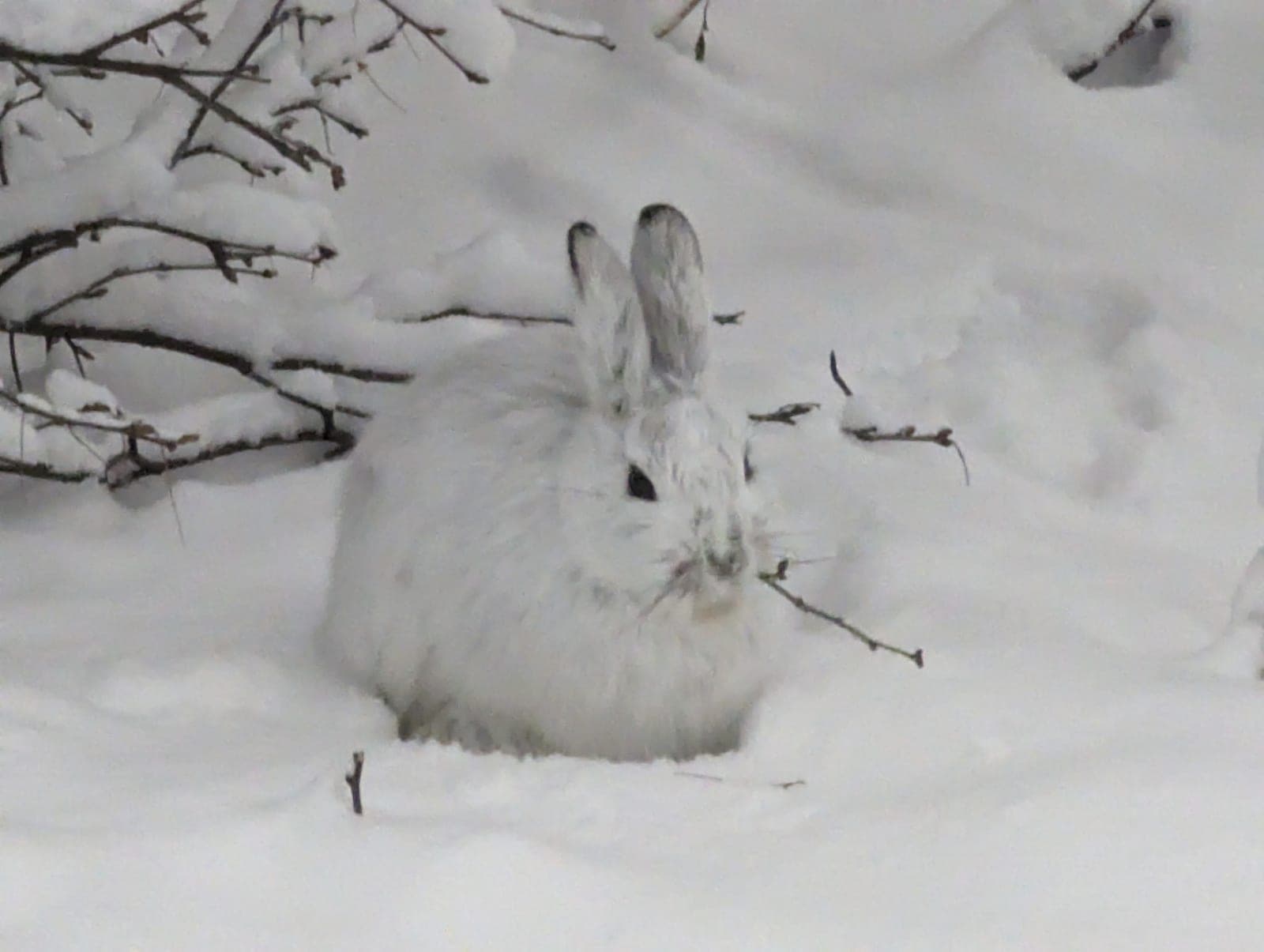
The snowshoe hare is the hare of the northern forest, famous for trading its brown summer coat for winter white and for the oversized, fur-padded hind feet that carry it over deep snow. Its boom-and-bust population cycle drives the fortunes of lynx, owls and other predators, and it offers some of the best small-game hunting in the North, especially behind hounds.

Read the full guide →

Eastern Gray Squirrel

Sciurus carolinensis

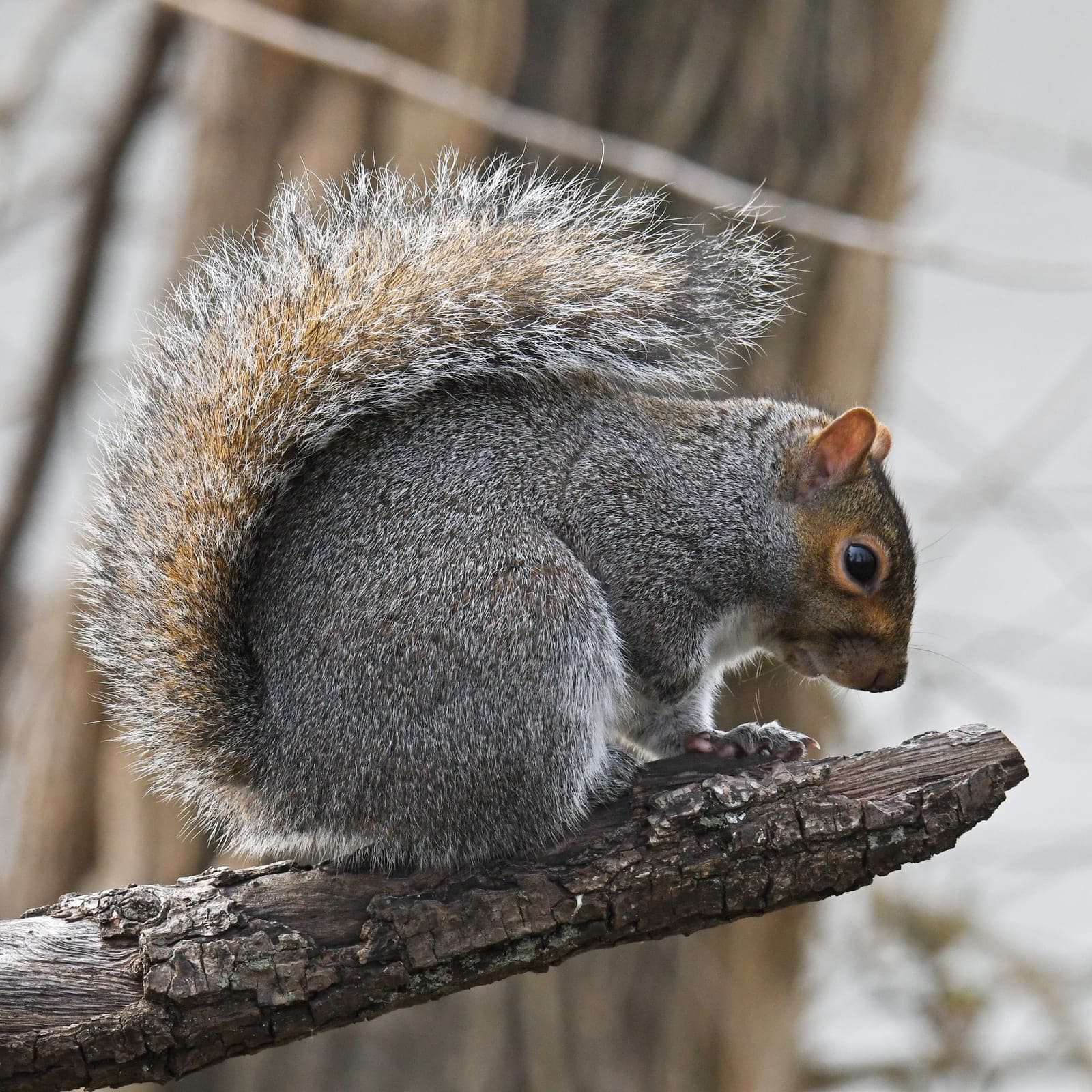
The eastern gray squirrel is the familiar tree squirrel of eastern hardwood forests, city parks and backyards, and one of the most popular small-game animals in the East. It is also a forest planter: by burying nuts and never digging some of them up, it helps regrow the oak and hickory woods it depends on. For generations, a squirrel woods in early fall has been where young hunters learned to sit still, watch and shoot straight.

Read the full guide →

Fox Squirrel

Sciurus niger

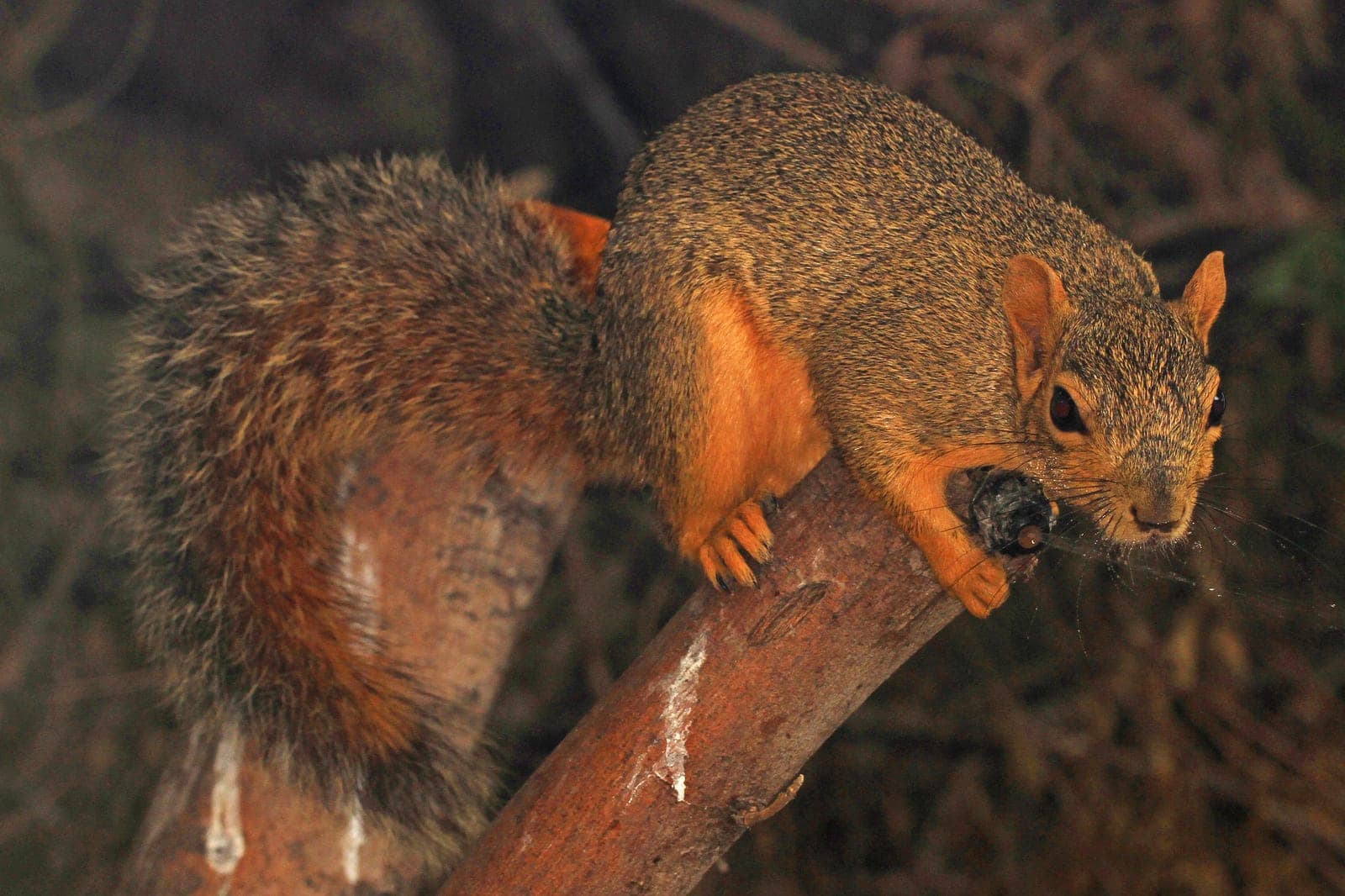
The fox squirrel is the biggest tree squirrel in North America, a rusty, heavy-bodied relative of the gray squirrel that prefers open woodlots, field edges and pine savannas to deep forest. Across the Midwest and South it is a prized small-game animal, and one of its subspecies, the Delmarva fox squirrel, became a recovery success story under the Endangered Species Act.

Read the full guide →

Groundhog

Marmota monax

The groundhog, or woodchuck, is a big burrowing ground squirrel of eastern fields and woodland edges and one of the few North American mammals that truly hibernates. Farmers know it for the holes it digs in pastures and hayfields, varmint hunters for long rifle shots across alfalfa, and everyone else for Groundhog Day on February 2.

Read the full guide →

Think you could name them from a few clues? A new mystery animal drops every day.

Play the daily hunt game