Game animals · Side by side
Red Fox vs Gray Fox
How to tell them apart
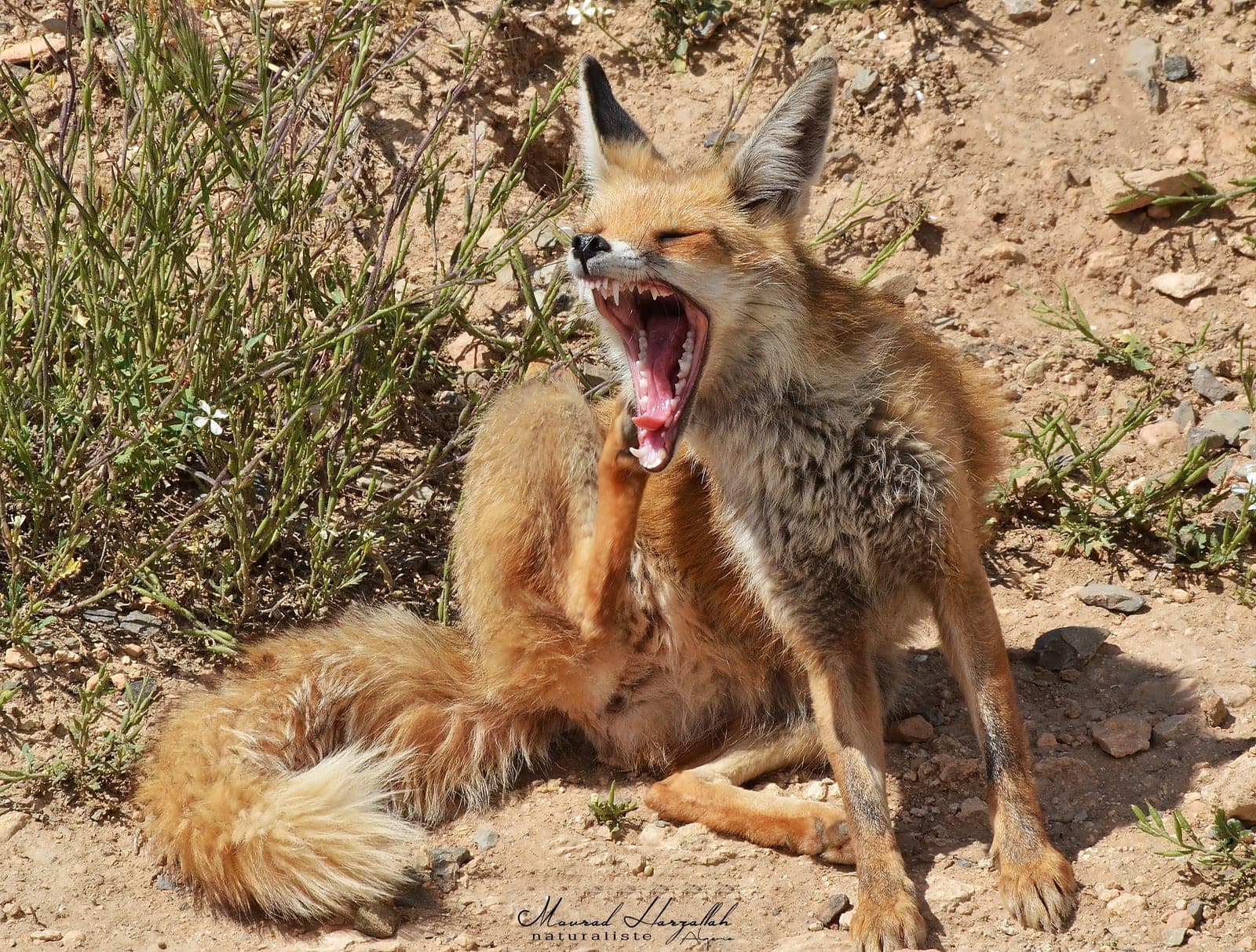
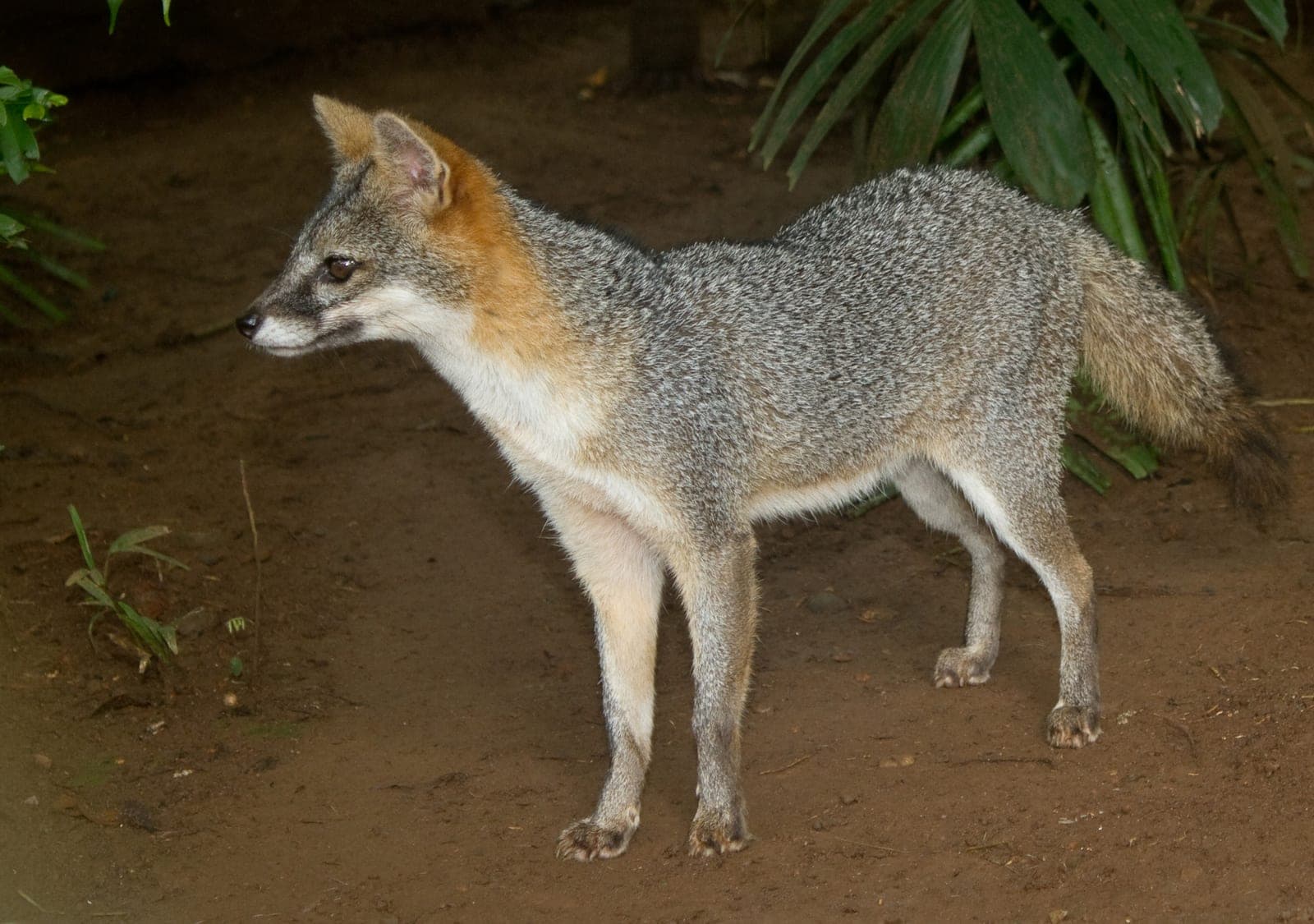
Quick answer
Check the tail tip and the legs: a red fox always has a white tail tip and black stockings, while a gray fox has a black-tipped tail with a dark stripe down the top and rusty, not black, legs.
Red and gray foxes overlap across much of the East, the Midwest and the Pacific Coast, and a glimpse in the headlights or a trail-camera photo is often all anyone gets. They are not close relatives: the gray fox belongs to an ancient branch of the dog family and is the one that climbs trees. Fur value, hunting methods and some seasons differ too, so the ID is worth getting right.
Key differences
| Trait | Red Fox | Gray Fox |
|---|---|---|
| Tail | Bushy, round, always white-tipped | Black stripe down the top, black tip, triangular in cross section |
| Legs | Black stockings on the lower legs and feet | Rusty-red legs, no black stockings |
| Coat | Rusty orange; cross and silver phases also occur | Salt-and-pepper gray with rusty neck and sides |
| Eyes | Amber with vertical pupils | Dark brown |
| Weight | About 7.5–15 lb | Usually 7–11 lb |
| Climbing | Stays on the ground | Climbs trees readily |
| Favorite cover | Field edges, farmland and open country | Thick woods, brush and rocky canyons |
| Fur value | Long, soft and the more valuable pelt | Coarse and thin, mostly used for trim |
Where each one lives
Red foxes range across Canada, Alaska and most of the lower 48 and prefer mixed farm country, field edges and suburbs. Gray foxes are a southern and woodland animal, ranging from southern Canada to northern South America but missing from much of the Great Plains and the mountains of the Northwest. In Missouri, for example, red foxes are most common in the north and west, while gray foxes favor the wooded Ozarks.
The fox that climbs
Gray foxes climb trees, gripping the trunk with their front feet and pushing up with their hind feet, and some even den in cavities high off the ground. They climb to escape dogs and coyotes, to rest and to reach fruit. Red foxes do not climb; they rely on speed, open-country vigilance and burrow dens, often in old woodchuck holes.
Hunting and trapping differences
Both are furbearers in most states, usually with late-fall and winter seasons. Red foxes are the warier of the two and the more prized pelt, and callers find them in open farmland with mouse squeaks and rabbit distress. Gray foxes respond fast to calls in thick cover, often closing to shotgun range, and trappers generally find them easier to catch. Rules on seasons and methods vary, so check them locally.
By the numbers
The traits the daily hunt game compares for each.
| Clue | Red Fox | Gray Fox |
|---|---|---|
| Type | Predator | Predator |
| Habitat | Farmland | Forest |
| Headgear | None | None |
| Region | Nationwide | Southern woods |
| Typical weight | 13 lb | 11 lb |
| Diet | Omnivore | Omnivore |
FAQ
Can red and gray foxes interbreed?
No. They belong to different genera, Vulpes and Urocyon, whose lineages split long ago, and no red fox × gray fox hybrid is known.
Which fox is more common?
It depends on the region. Red foxes dominate farmland and the North, while gray foxes are more common in the wooded Southeast and Southwest; in Missouri, red fox numbers have fallen over recent decades while grays have held steadier.
Is a fox with a black-tipped tail a gray fox?
Usually, if it also has a dark stripe down the top of the tail and rusty-gray sides; in the western plains and deserts, swift and kit foxes have black tail tips too. A red fox of any color phase, even a silver fox, keeps a white tail tip.
Could you tell them apart from a few clues? Test yourself in today's puzzle.
Play the daily hunt game