Game animals · Side by side
Black Bear vs Grizzly Bear
How to tell them apart
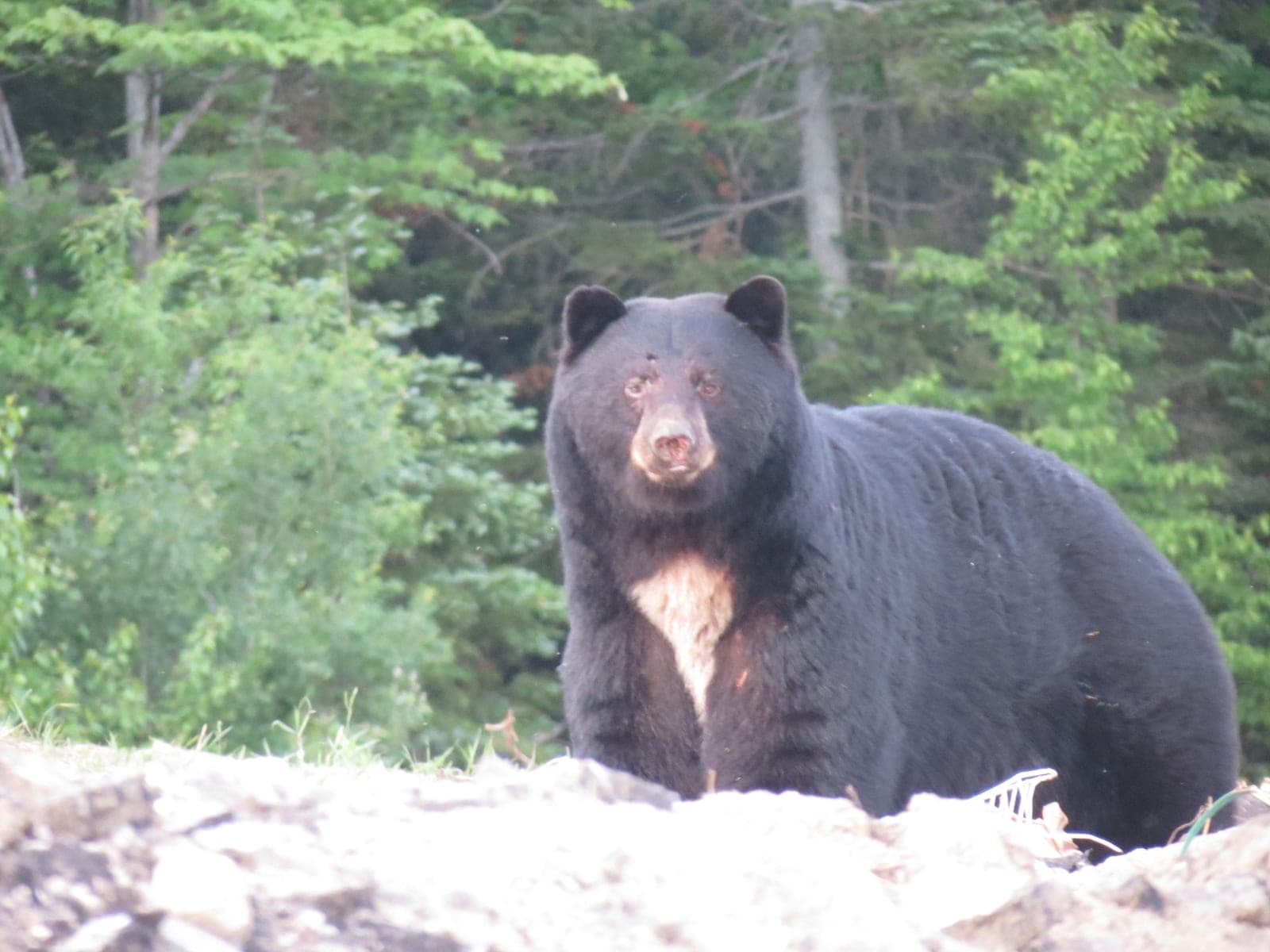
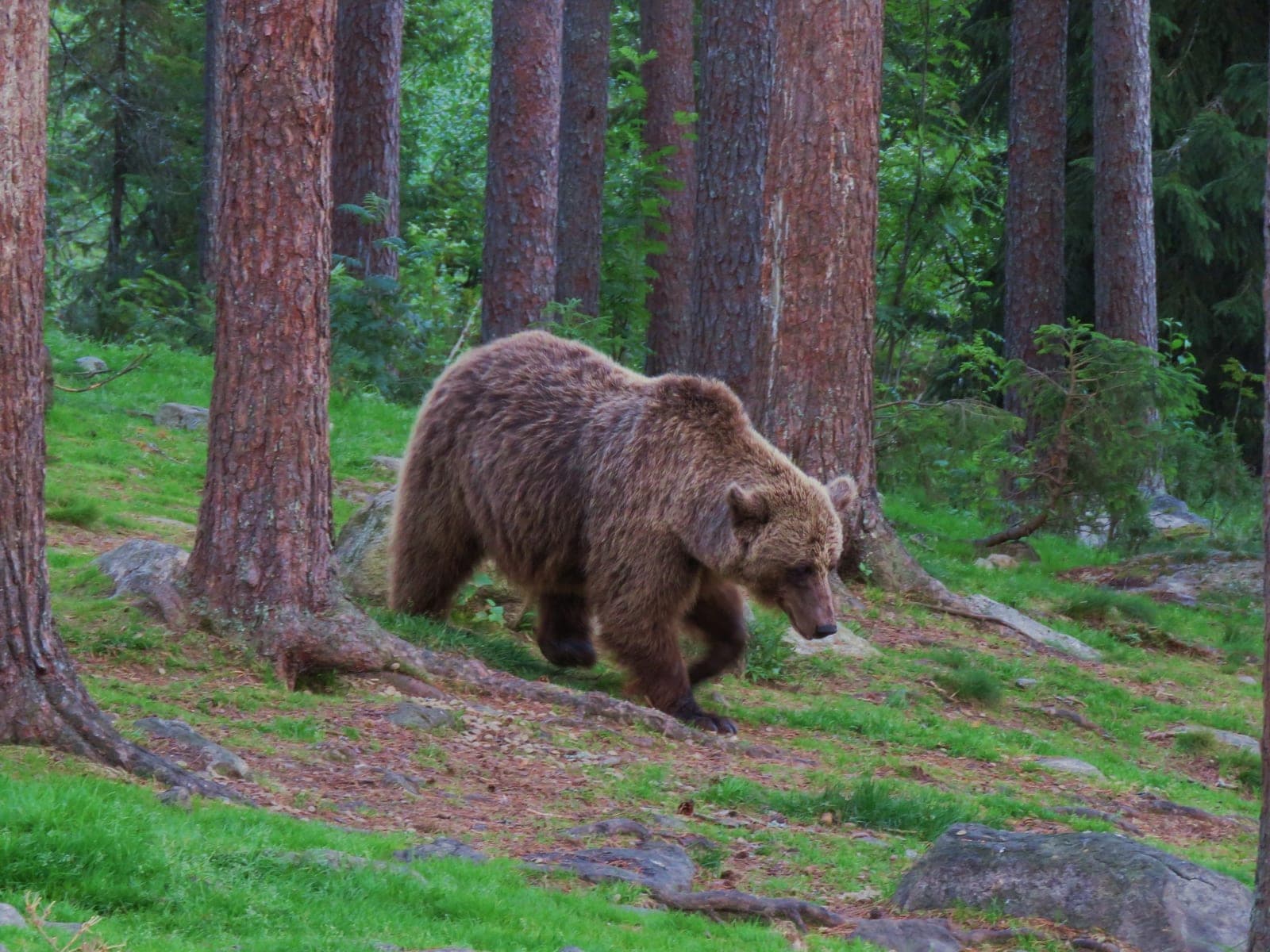
Quick answer
Check the shoulders, face, ears and claws: a grizzly has a muscular shoulder hump, a dished face, short rounded ears and front claws two to four inches long, while a black bear has no hump, a straight face profile, taller pointed ears and short, curved claws. Ignore color, since both can be black, brown or blond.
Black bears and grizzlies share the northern Rockies, western Canada and Alaska, and in that country telling them apart is not trivia. A black bear hunter who shoots a grizzly in the lower 48 has killed a federally protected animal, and the right response to an attack differs between the two species. Color is the least reliable clue; shape is what settles it.
Key differences
| Trait | Black Bear | Grizzly Bear |
|---|---|---|
| Shoulder hump | None; rump as high as or higher than shoulders | Prominent muscular hump; rump lower |
| Face profile | Straight from forehead to nose | Dished and concave |
| Ears | Tall and pointed | Short and rounded |
| Front claws | Short and curved, about 1–2 in | Long and lightly curved, about 2–4 in |
| Front tracks | Toes in an arc; claw marks short or absent | Toes in a nearly straight line; claw marks well ahead |
| Male weight | About 130–660 lb | About 400–600 lb in the lower 48 |
| Range | Most of forested North America | Alaska, western Canada and a few lower-48 ecosystems |
| Hunting status | Widely hunted in the U.S. and Canada | Hunted only in Alaska and parts of northern Canada |
Why color fools people
Many western black bears are brown, cinnamon or blond, and many grizzlies are dark brown or nearly black, so a 'brown bear' in Montana or British Columbia can be either species. Light, wet fur and distance make it worse. Grizzlies often show pale, silver-tipped hairs over the back and hump, but that is a hint, not proof. Look for the combination of hump, dished face, short ears and long claws, and if you cannot see at least two of them clearly, do not assume.
If you meet one
Bear spray works on both species and is the best first defense. Stay calm, talk in a low voice, back away slowly and never run, since both bears can outrun and outclimb you. If a grizzly attacks after a surprise encounter, the National Park Service advises playing dead on your stomach with your hands behind your neck. If a black bear attacks, do not play dead: escape to a car or building or fight back hard. Fight back against any bear that stalks you or attacks in a tent.
What it means for hunters
Black bears are hunted across much of the United States and Canada, with spring and fall seasons and methods that vary by place. Grizzlies are threatened in the lower 48 and hunted only in Alaska, the Yukon and the Northwest Territories; British Columbia banned grizzly hunting in 2017. Where both live, some states require black bear hunters to pass an identification test. Boone and Crockett scores both by skull: the black bear record is 23 10/16 and the grizzly record 27 13/16.
By the numbers
The traits the daily hunt game compares for each.
| Clue | Black Bear | Grizzly Bear |
|---|---|---|
| Type | Predator | Predator |
| Habitat | Forest | Mountains |
| Headgear | None | None |
| Region | Nationwide | Western mountains |
| Typical weight | 300 lb | 600 lb |
| Diet | Omnivore | Omnivore |
FAQ
Can a black bear be brown?
Yes. Brown, cinnamon and blond black bears are common in the West, which is why color alone should never be used to tell a black bear from a grizzly.
Should you play dead with a black bear?
No. The National Park Service advises fighting back against an attacking black bear, aiming at the face and muzzle. Playing dead is for defensive attacks by grizzlies or brown bears.
Which bear is more dangerous?
Grizzlies are bigger and more likely to respond aggressively to a surprise encounter, especially a mother with cubs, while black bears usually flee. Any bear can be dangerous, so carry spray for both.
Do grizzlies and black bears live in the same places?
Yes, across Alaska, much of western Canada and the northern Rockies, including Yellowstone and Glacier national parks. Black bears also live in many places grizzlies have long disappeared from.
Could you tell them apart from a few clues? Test yourself in today's puzzle.
Play the daily hunt game