Game animals · Side by side
Snowshoe Hare vs Eastern Cottontail
How to tell them apart
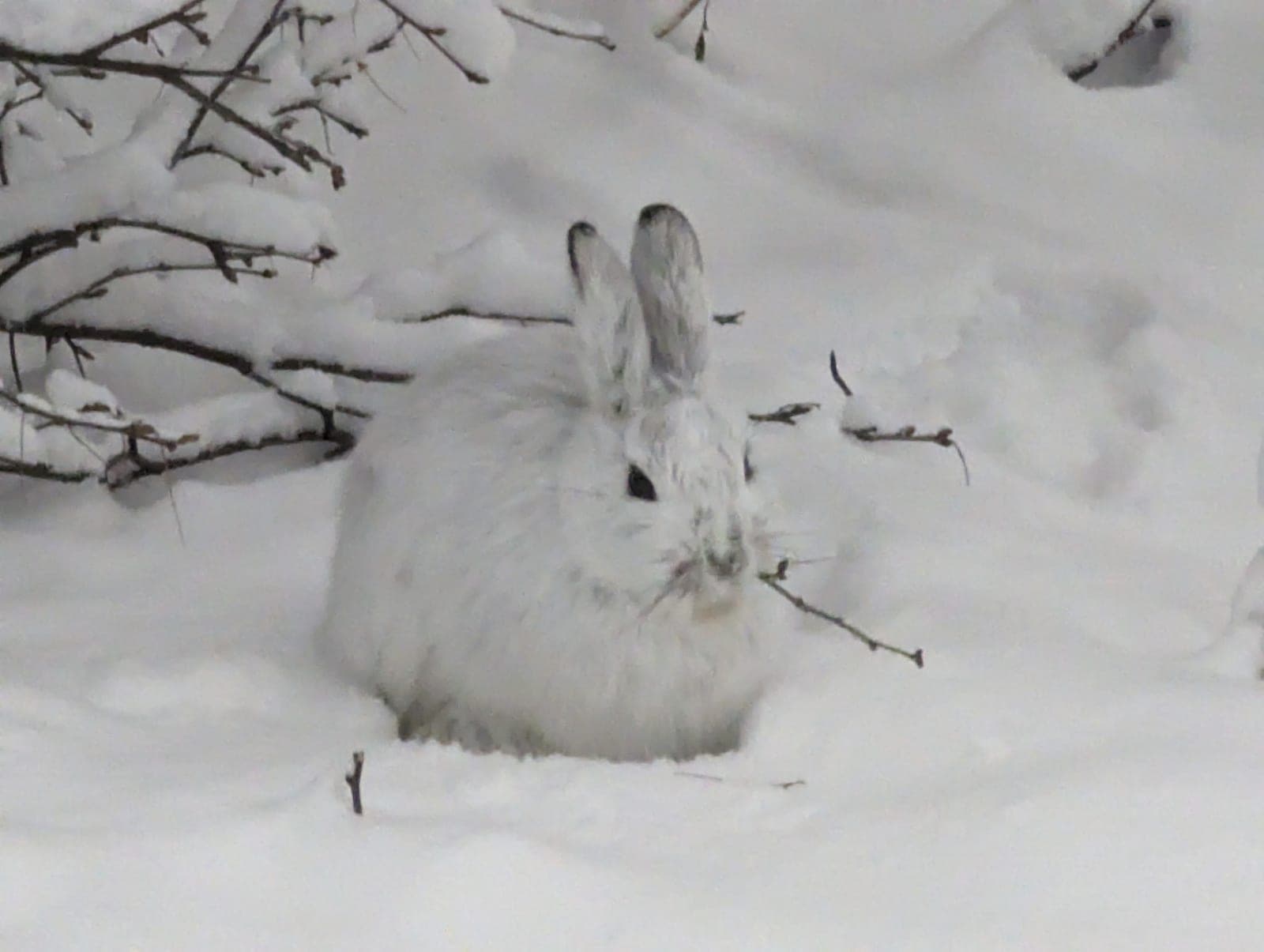
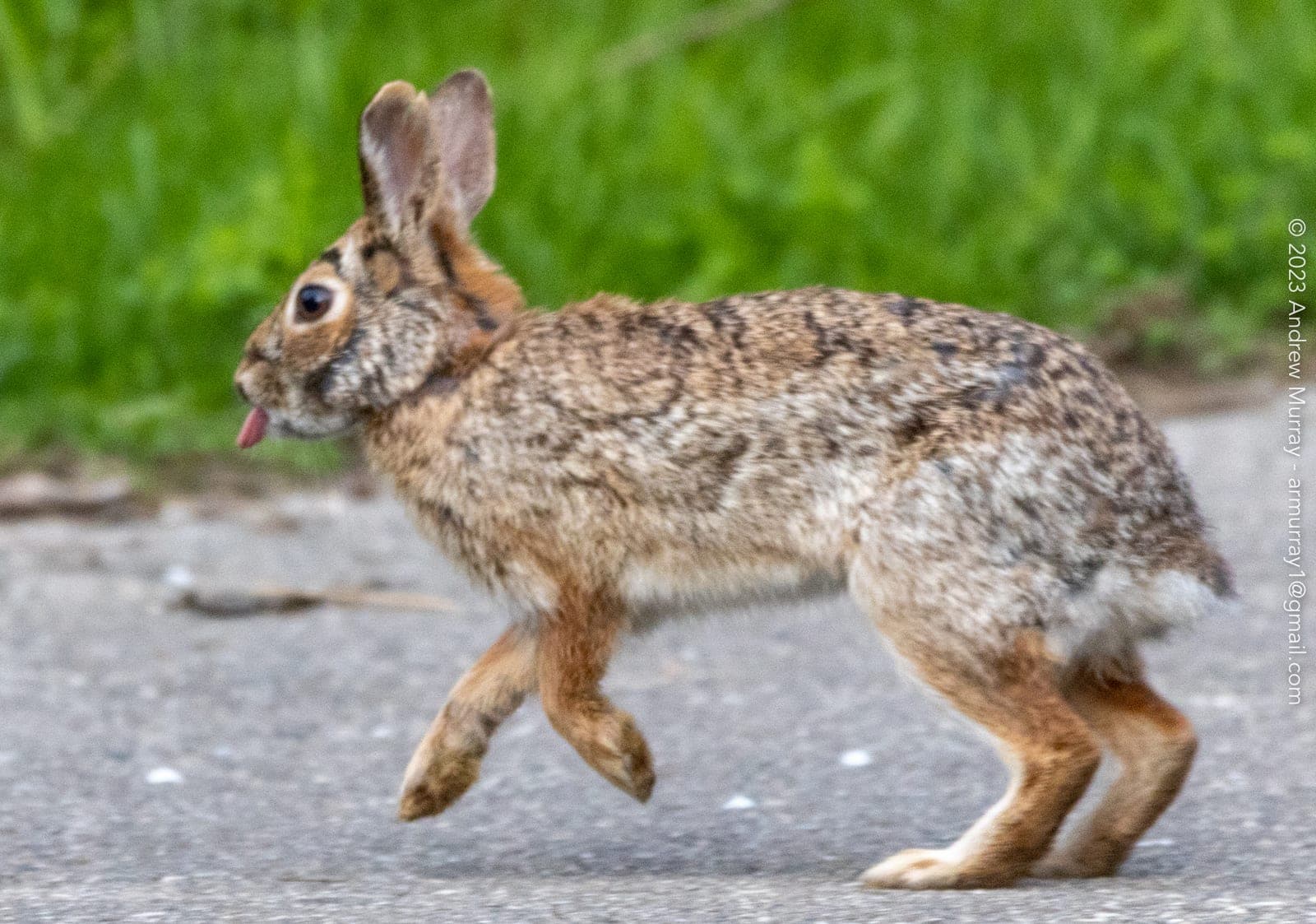
Quick answer
In winter, a white rabbit-shaped animal in the northern woods is a snowshoe hare; cottontails stay brown all year. In summer, check the feet and ears: snowshoe hares have huge, furry hind feet and black-tipped ears, while cottontails have smaller feet, a bright white cottony tail and often a white forehead spot.
Snowshoe hares and eastern cottontails overlap across the northern states and the Appalachian highlands, and hunters there can jump both on the same morning. In summer brown they look alike at a glance. They are different animals, though: one is a true hare built for deep snow and dense northern forest, the other a rabbit of brushy farm country.
Key differences
| Trait | Snowshoe Hare | Eastern Cottontail |
|---|---|---|
| Group | Lepus, a true hare | Sylvilagus, a rabbit |
| Winter coat | White, with black ear tips | Brown all year |
| Hind feet | Huge and heavily furred, about 4½–6 in | Much smaller and less furred |
| Weight | About 3–4 lb | About 2–3¼ lb |
| Newborns | Furred, eyes open, mobile within a day | Nearly naked, eyes closed, in a fur-lined nest |
| Gestation | About 36–37 days | About 28 days |
| Habitat | Dense young forest, conifer and cedar swamps | Brushy edges, fencerows, farmland, yards |
| Population swings | Boom and crash about every 10 years | Rises and falls with cover and weather |
Where you will find each
Snowshoe hares belong to the boreal forest and the mountains, from Alaska and Canada south into the northern Great Lakes states, northern New England, the Appalachians, the Rockies and the Sierra Nevada. Cottontails belong to the farm country and suburbs of the East and the Great Plains, from southern Canada to Central America. Where both live, they usually split the habitat: hares in thick spruce, fir and cedar swamps and regrowing clearcuts, cottontails in brushy fields, fencerows and farmsteads. A rabbit jumped from a briar patch beside a cornfield is almost surely a cottontail; one bounding through a cedar swamp is probably a hare.
Hunting each one
Both are classic beagle quarry, and both tend to circle back toward where they were jumped, but they run differently. Cottontails make tighter loops and often duck into a groundhog hole or brush pile, which can end the chase. Snowshoes run bigger, longer circles and do not use burrows, which is why many hound hunters love them. Snowshoe hunting peaks in snowy winter woods, while cottontail seasons in most places open in the fall and run through winter. Both can carry tularemia, so wear gloves when cleaning either.
Hare or rabbit?
People use the words loosely, but biologists draw a real line. Hares, genus Lepus, include snowshoes and jackrabbits: they have long legs and ears for their size, and their young are born fully furred with open eyes, able to move about within a day. Rabbits such as cottontails give birth to nearly naked, blind young in a fur-lined nest and nurse them there for about two weeks. That is why a 'snowshoe rabbit' is really a hare, and so is a jackrabbit.
By the numbers
The traits the daily hunt game compares for each.
| Clue | Snowshoe Hare | Eastern Cottontail |
|---|---|---|
| Type | Small game | Small game |
| Habitat | Forest | Farmland |
| Headgear | None | None |
| Region | Northern forests | Nationwide |
| Typical weight | 3 lb | 3 lb |
| Diet | Herbivore | Herbivore |
FAQ
Is a snowshoe hare a rabbit?
No. It is a hare, genus Lepus, in the same family as rabbits. Its young are born furred and open-eyed, while cottontail young are born naked and blind.
Do cottontails turn white in winter?
No. Eastern cottontails stay brown all year. A white rabbit-like animal in the northern woods in winter is a snowshoe hare, or, on open plains, a white-tailed jackrabbit.
Which is bigger, a snowshoe hare or a cottontail?
Snowshoe hares are a little heavier, about 3 to 4 pounds against a cottontail's 2 to 3¼, and their long hind legs and huge feet make them look bigger still.
Which tastes better, snowshoe hare or cottontail?
Cottontail is milder and paler, while snowshoe hare is slightly darker, fuller-flavored and very lean. Both are excellent braised, stewed or slow-cooked.
Could you tell them apart from a few clues? Test yourself in today's puzzle.
Play the daily hunt game