Field guide · 5 species

Types of Salmon

Four of the five Pacific salmon that spawn in North American rivers are in this guide — chinook, coho, sockeye and pink — along with the Atlantic salmon of the Northeast and eastern Canada. Pacific salmon die after spawning once, while an Atlantic salmon can return to the sea and spawn again.

They range from the chinook, the giant of the family, to the pink, the smallest and most abundant Pacific salmon. Spawning colors, spots on the back and tail, and the color of the gums are the classic ways to tell them apart.

At a glance

FishFamilyWaterRegionBody shapeMax lengthMax weightDiet
Chinook SalmonSalmon & troutBothPacific CoastStreamlined59 in135 lbCarnivore
Coho SalmonSalmon & troutBothPacific CoastStreamlined42 in33 lbCarnivore
Sockeye SalmonSalmon & troutBothPacific CoastStreamlined33 in17 lbCarnivore
Pink SalmonSalmon & troutBothPacific CoastStreamlined30 in15 lbCarnivore
Atlantic SalmonSalmon & troutBothAtlantic CoastStreamlined59 in103 lbCarnivore

Chinook Salmon

Oncorhynchus tshawytscha

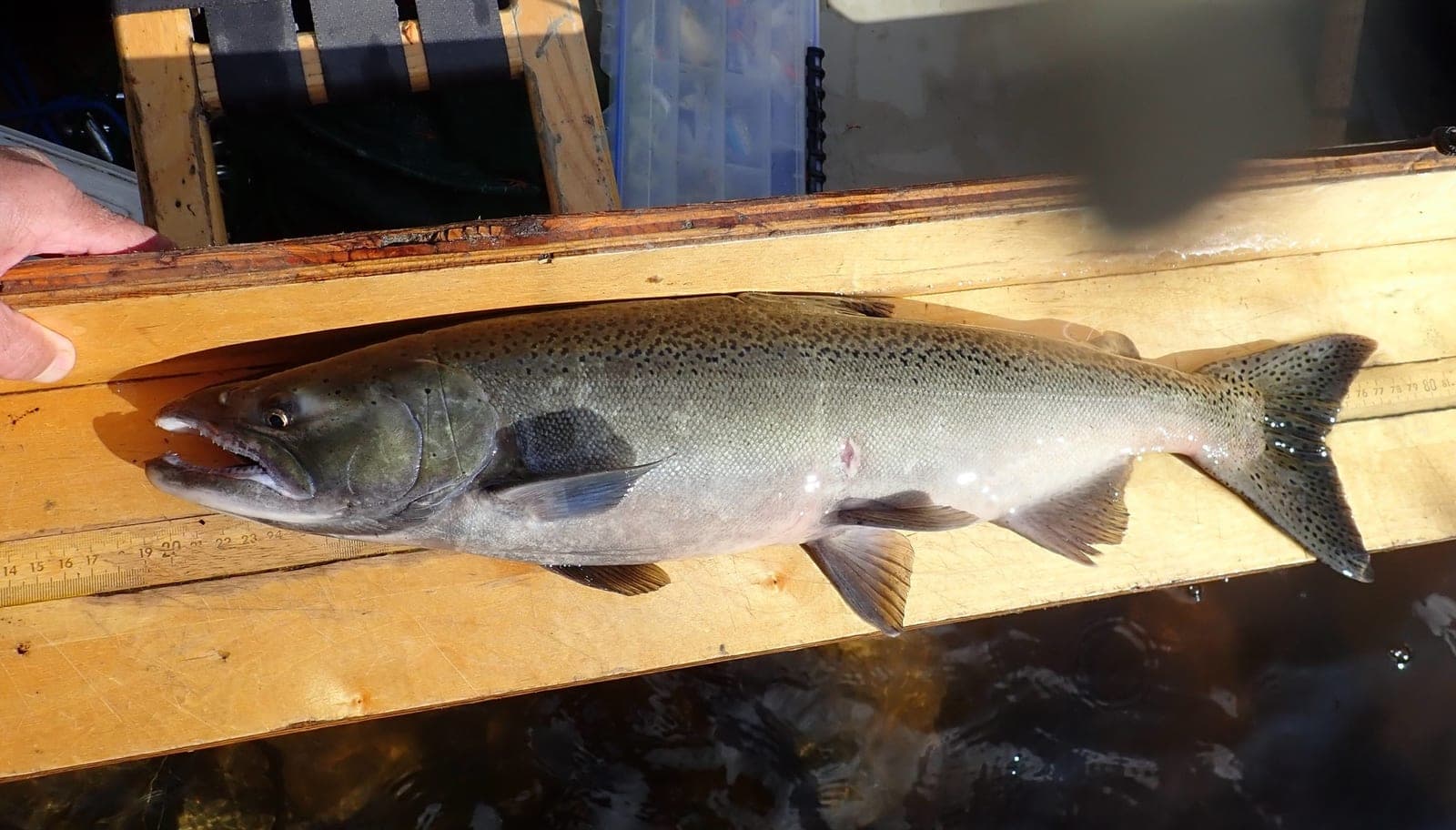
The Chinook is the biggest of the Pacific salmon, a thick-shouldered, hard-running fish that most anglers simply call the king. From Alaska's Kenai River to California's Sacramento, and in the stocked waters of Lake Michigan and Lake Ontario, a bright king is the salmon people plan whole trips around, and many wild runs are now protected or tightly managed.

Read the full guide →
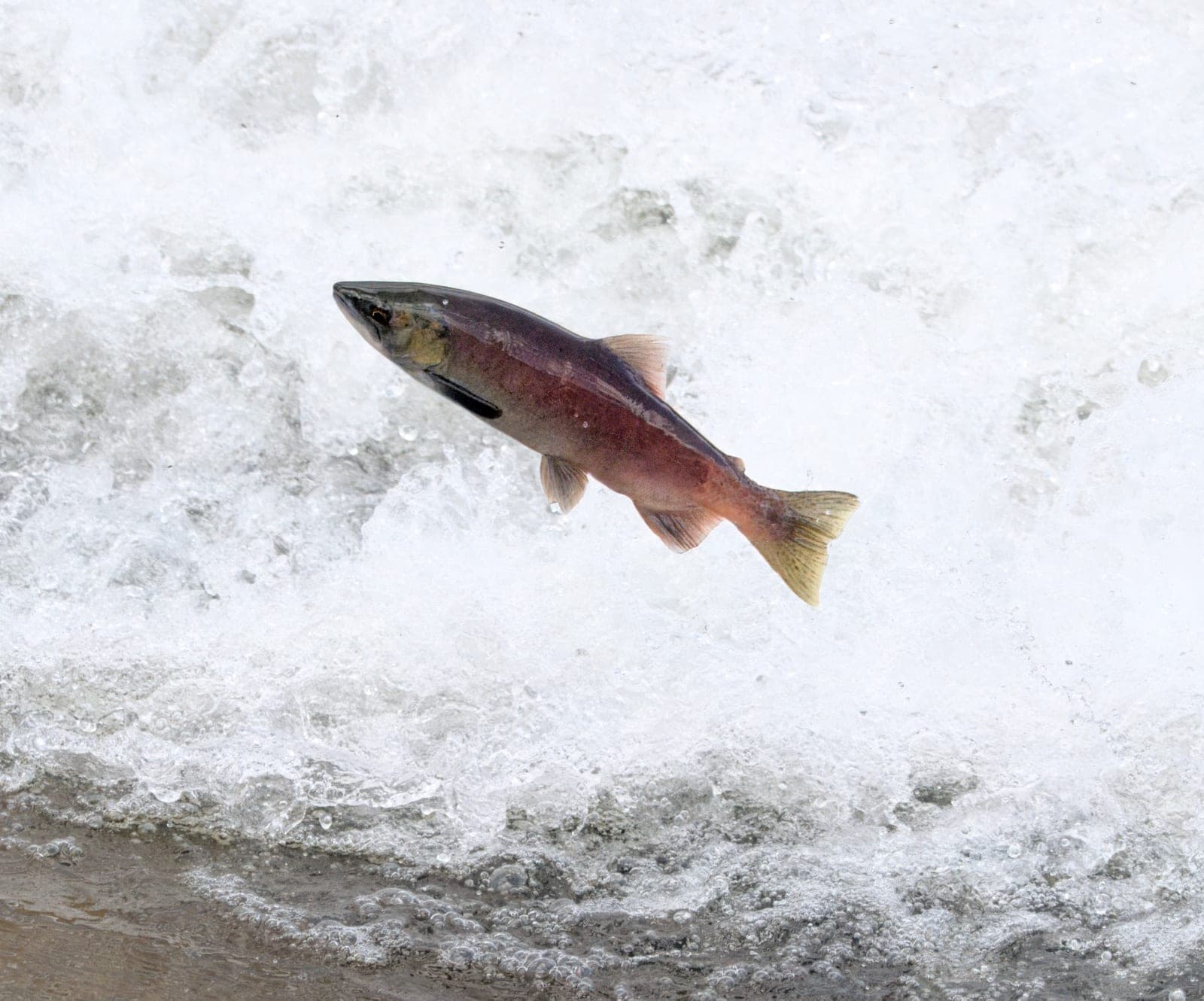
Coho Salmon

Oncorhynchus kisutch

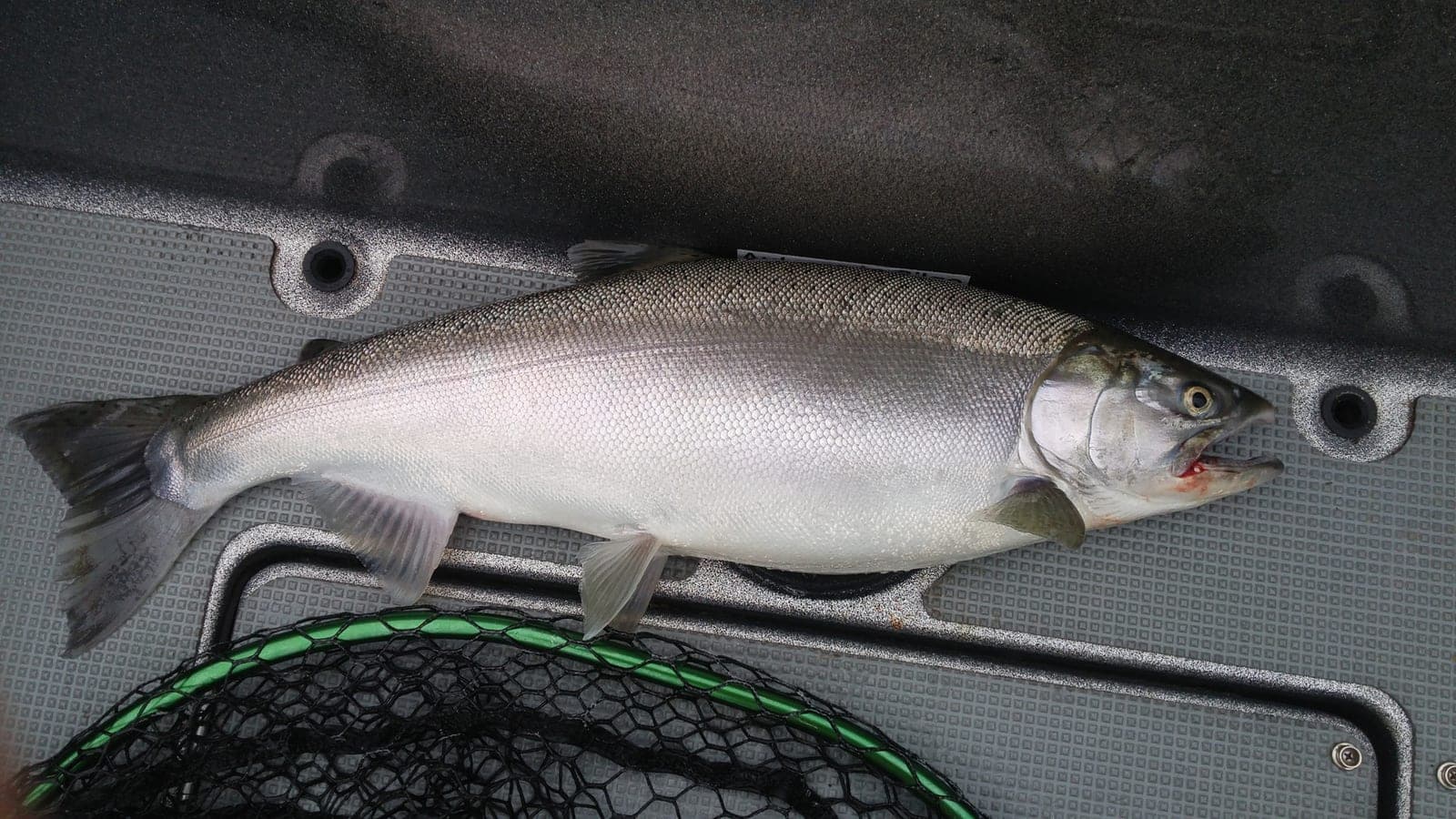
Coho salmon, called silvers across Alaska, are the acrobats of the Pacific salmon: mid-sized, chrome-bright fish that slam spinners, jump again and again when hooked and pour into coastal streams in late summer and fall. They also started the Great Lakes salmon boom, when Michigan began stocking them on a large scale in 1966.

Read the full guide →

Sockeye Salmon

Oncorhynchus nerka

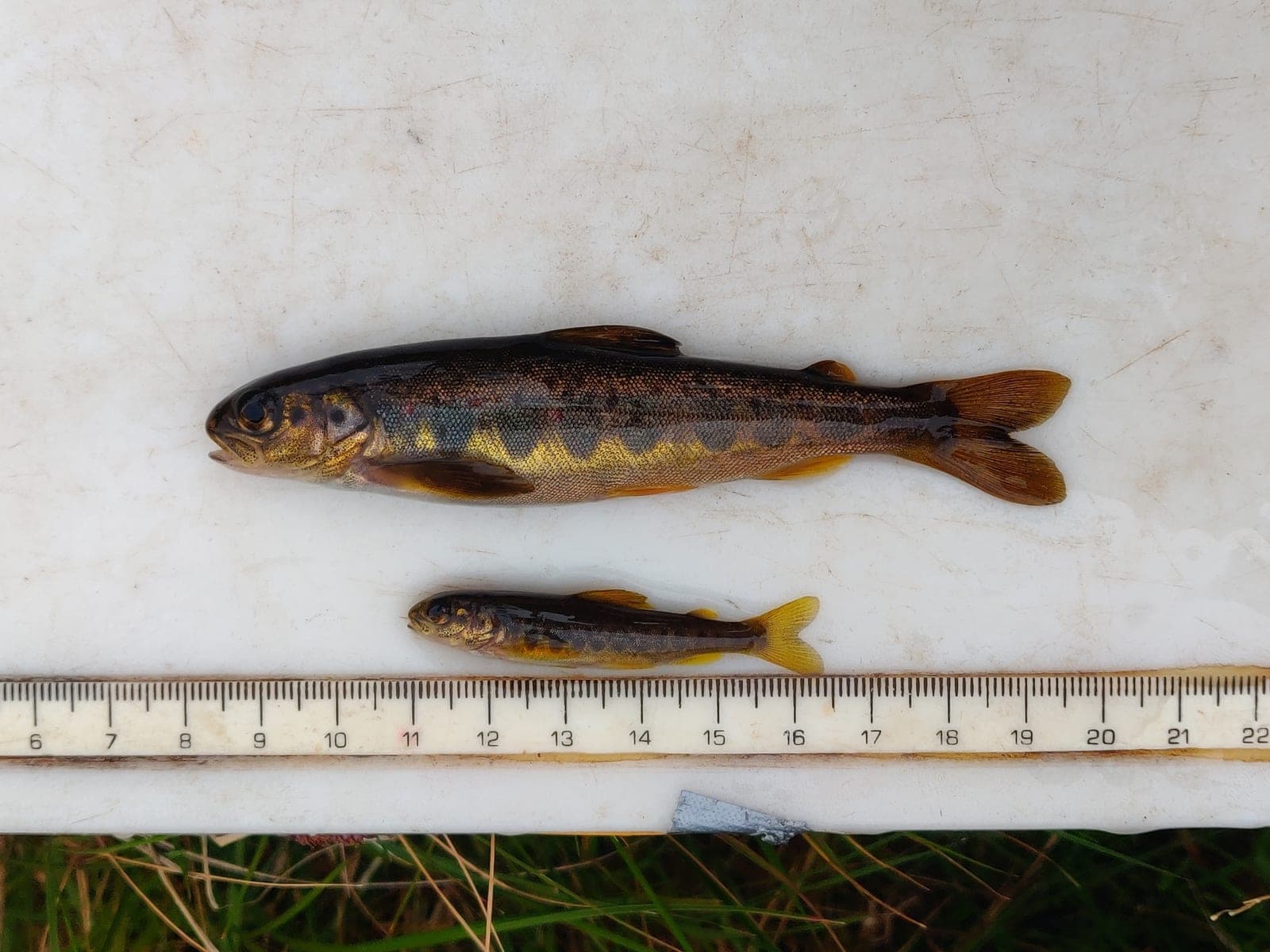
Sockeye are the red salmon: sleek, plankton-feeding fish with deep-red flesh, the most economically important salmon in Alaska and the source of some of the most striking spawning colors in fresh water. Their runs into Bristol Bay and British Columbia's Fraser River can number in the tens of millions in a good year, and a landlocked form called kokanee is a favorite of lake anglers across the West.

Read the full guide →

Pink Salmon

Oncorhynchus gorbuscha

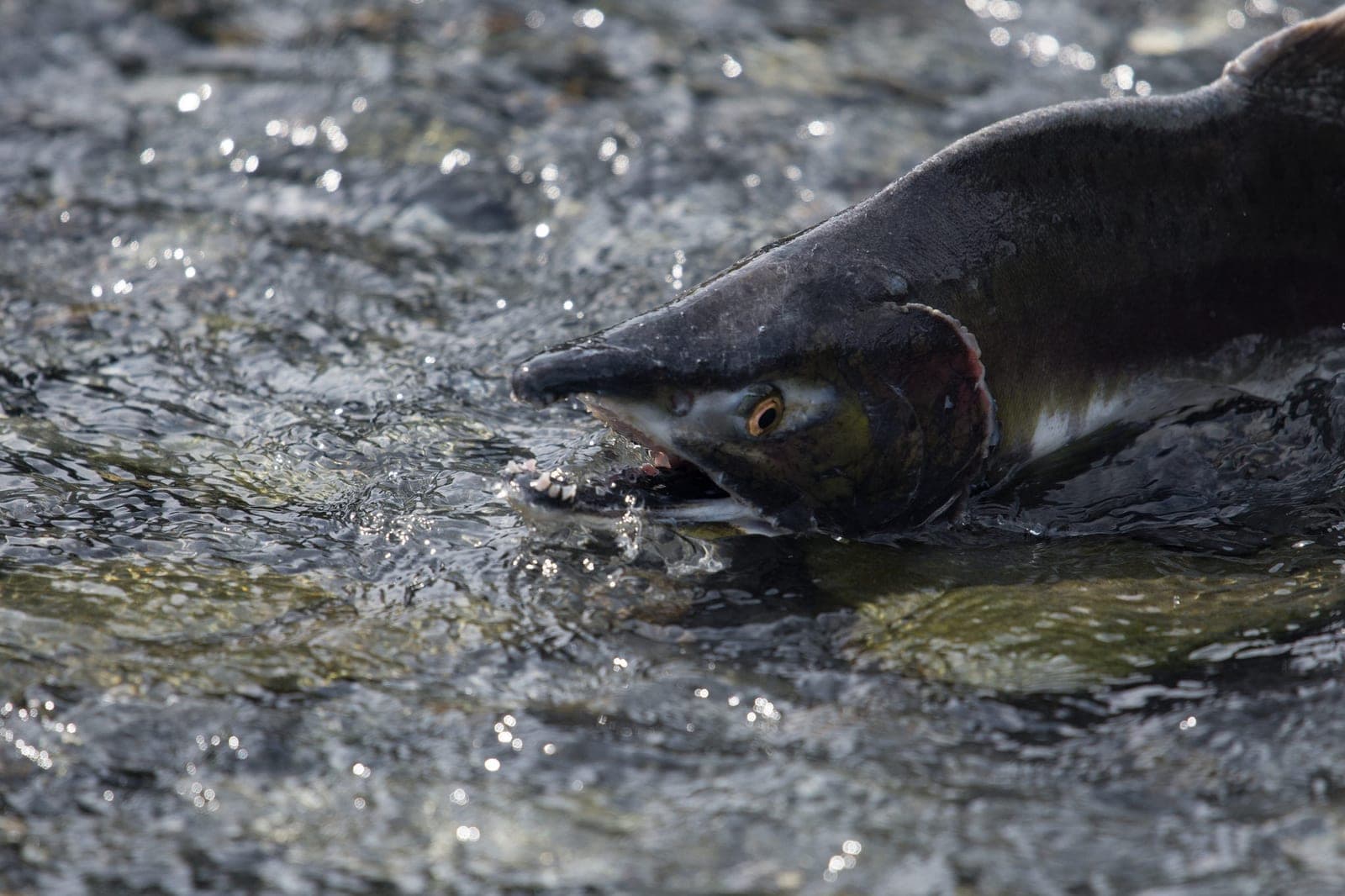
Pink salmon are the smallest and most plentiful of the Pacific salmon, a fish that lives exactly two years and floods coastal rivers from Puget Sound to Alaska in late summer. Spawning males grow a tall hump behind the head, hence the nickname humpy, and their huge, eager-biting runs make pinks the easiest salmon for a beginner or a kid to catch.

Read the full guide →

Atlantic Salmon

Salmo salar

The Atlantic salmon is the fish that built the sport of fly fishing: a sea-run salmon that leaves its home river as a six-inch smolt and comes back years later as a silver, leaping adult. Anglers travel to the rivers of Quebec, New Brunswick, Newfoundland, Iceland, Norway and Scotland for a chance at one, and the species is also a conservation flagship, with wild runs well below historic levels and the last U.S. population protected as endangered.

Read the full guide →

Think you could name them from a few clues? A new mystery fish drops every day.

Play the daily fish game