Field guide · 6 species

Types of Panfish

“Panfish” is anglers' shorthand for the small, abundant, great-eating fish that fit in a frying pan: sunfish like the bluegill, pumpkinseed and redear, the black and white crappies, and the yellow perch. They are the first fish most people ever catch and a mainstay of ice fishing across the North.

Most panfish school up and bite eagerly, so finding one usually means finding many. Ear-flap color, body bars and the number of dorsal spines are the details that separate look-alikes.

At a glance

FishFamilyWaterRegionBody shapeMax lengthMax weightDiet
BluegillSunfish familyFreshwaterNationwideRound & deep16 in5 lbInsectivore
PumpkinseedSunfish familyFreshwaterNorthern lakes & riversRound & deep12 in2 lbInsectivore
Redear SunfishSunfish familyFreshwaterSouthern watersRound & deep17 in6 lbCarnivore
Black CrappieSunfish familyFreshwaterNationwideRound & deep19 in6 lbCarnivore
White CrappieSunfish familyFreshwaterSouthern watersRound & deep21 in5 lbCarnivore
Yellow PerchPerch familyFreshwaterNorthern lakes & riversStreamlined20 in4 lbCarnivore

Bluegill

Lepomis macrochirus

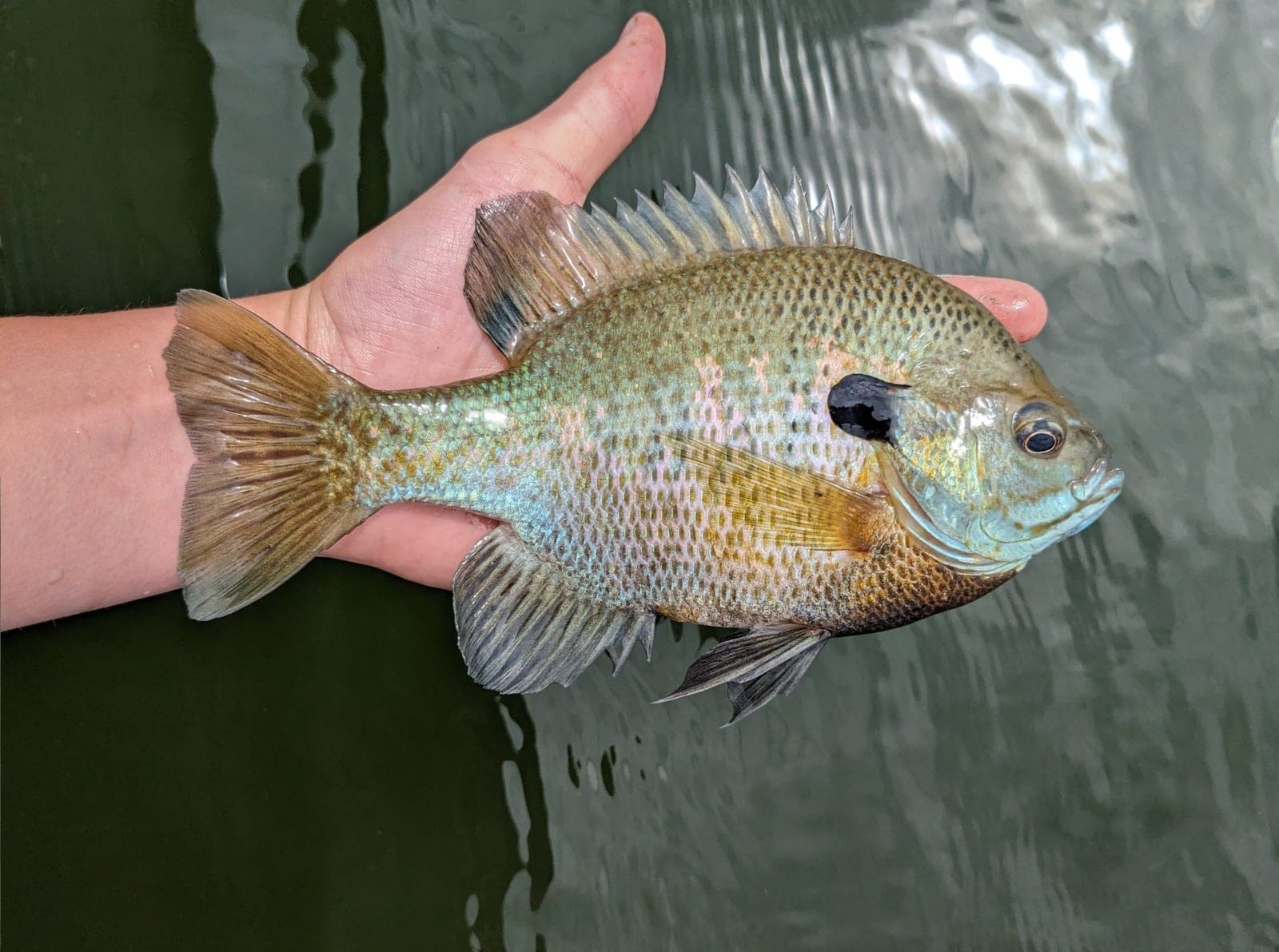
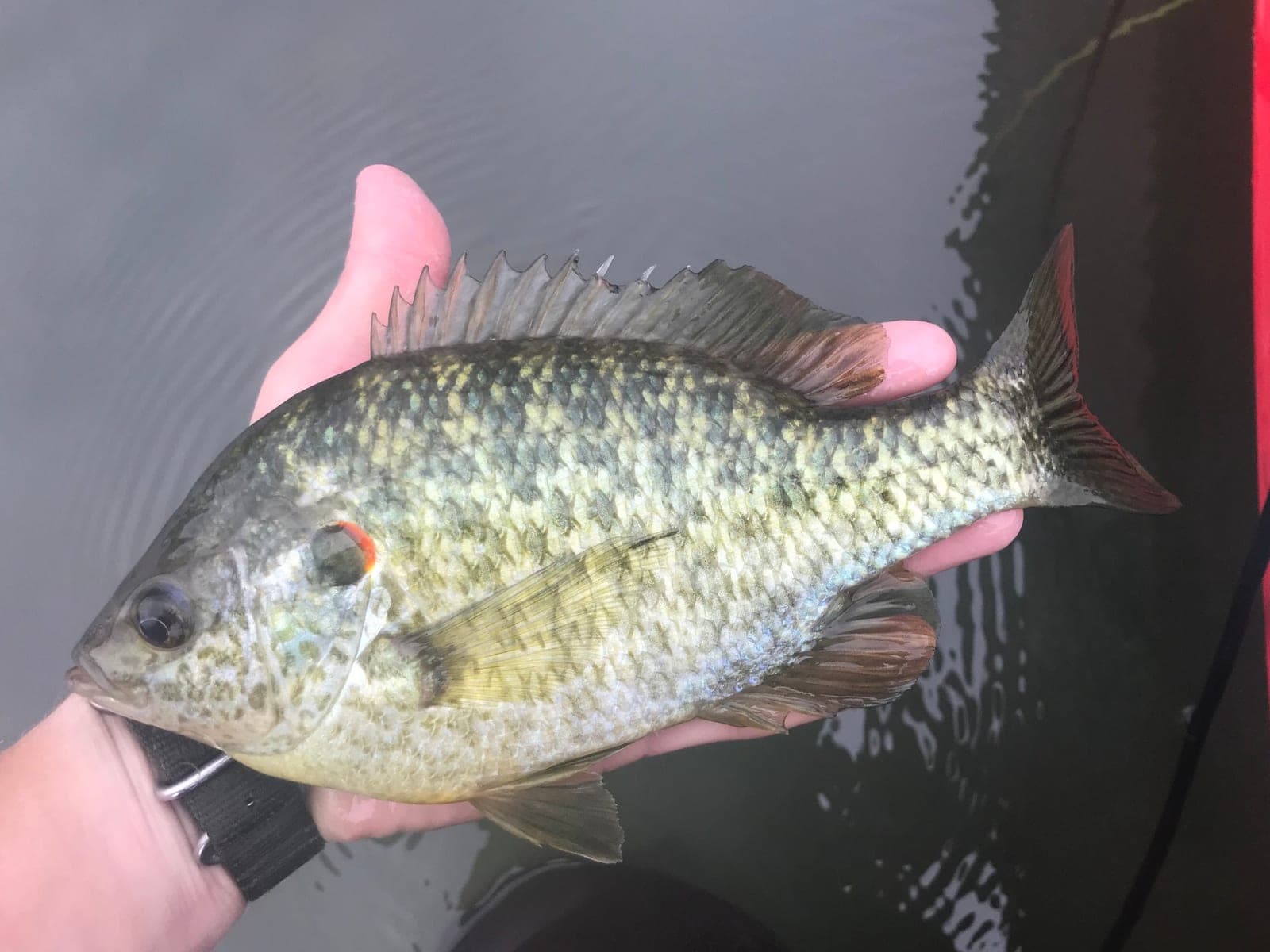
The bluegill is the fish that starts most fishing lives: a scrappy, plate-shaped sunfish found in nearly every farm pond, lake and slow river east of the Rockies, and stocked far beyond. It bites willingly, pulls hard for its size on light tackle and yields sweet, flaky fillets, and it is the state fish of Illinois.

Read the full guide →
Pumpkinseed

Lepomis gibbosus

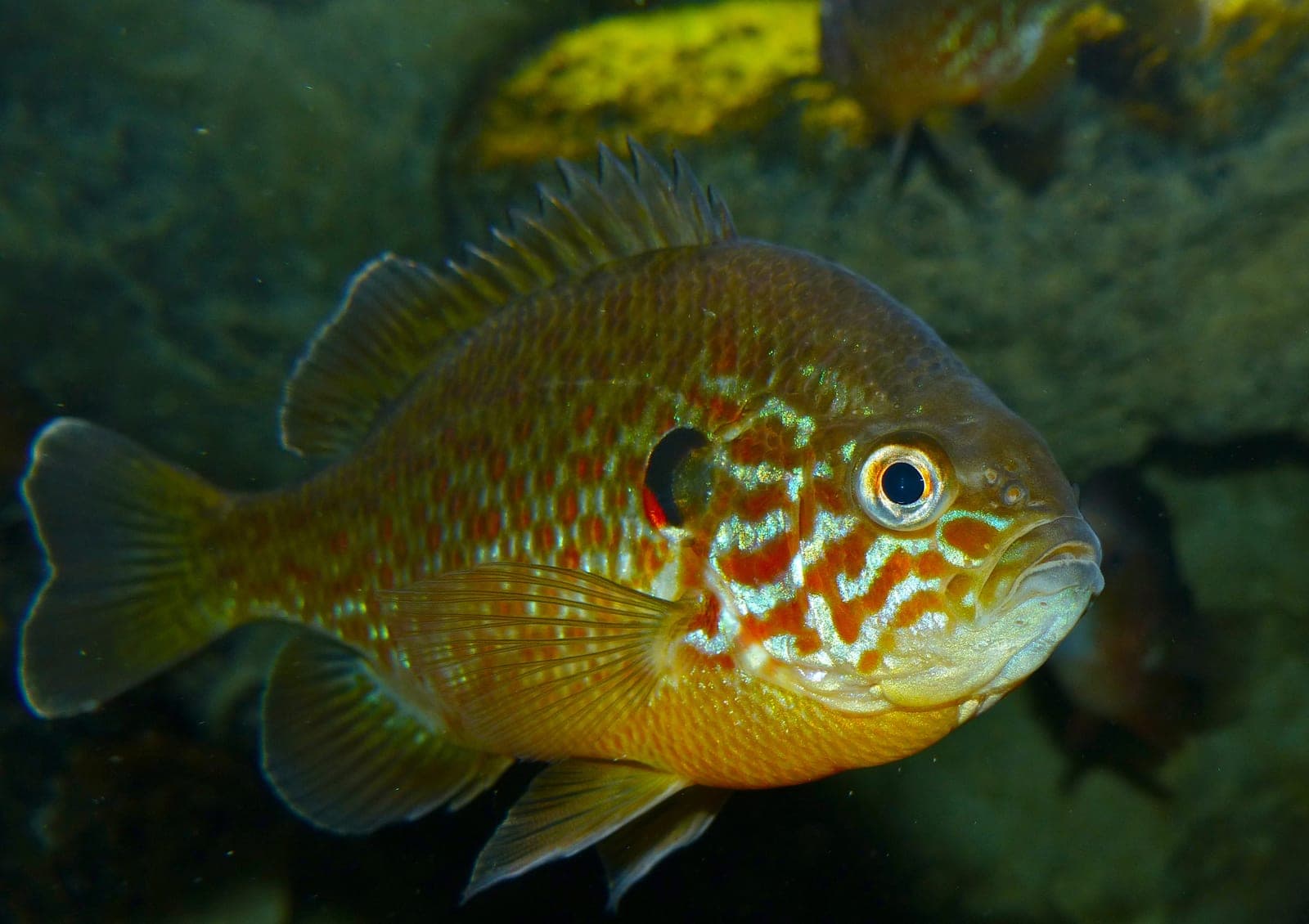
The pumpkinseed is the most colorful common sunfish of the northern half of the continent: a small, round panfish speckled in orange, emerald and blue, with a red spot on its ear flap. It is often the first fish a child lifts off a dock, it handles cool, weedy water better than the bluegill, and it eats just as well.

Read the full guide →

Redear Sunfish

Lepomis microlophus

The redear sunfish is the heavyweight of the common sunfishes, a bottom-feeding bream known across the South as the shellcracker for the grinding teeth in its throat that crush snails and small clams. It outgrows the bluegill, crowds onto spawning beds in late spring, and is a fixture in stocked farm ponds and southern reservoirs.

Read the full guide →

Black Crappie

Pomoxis nigromaculatus

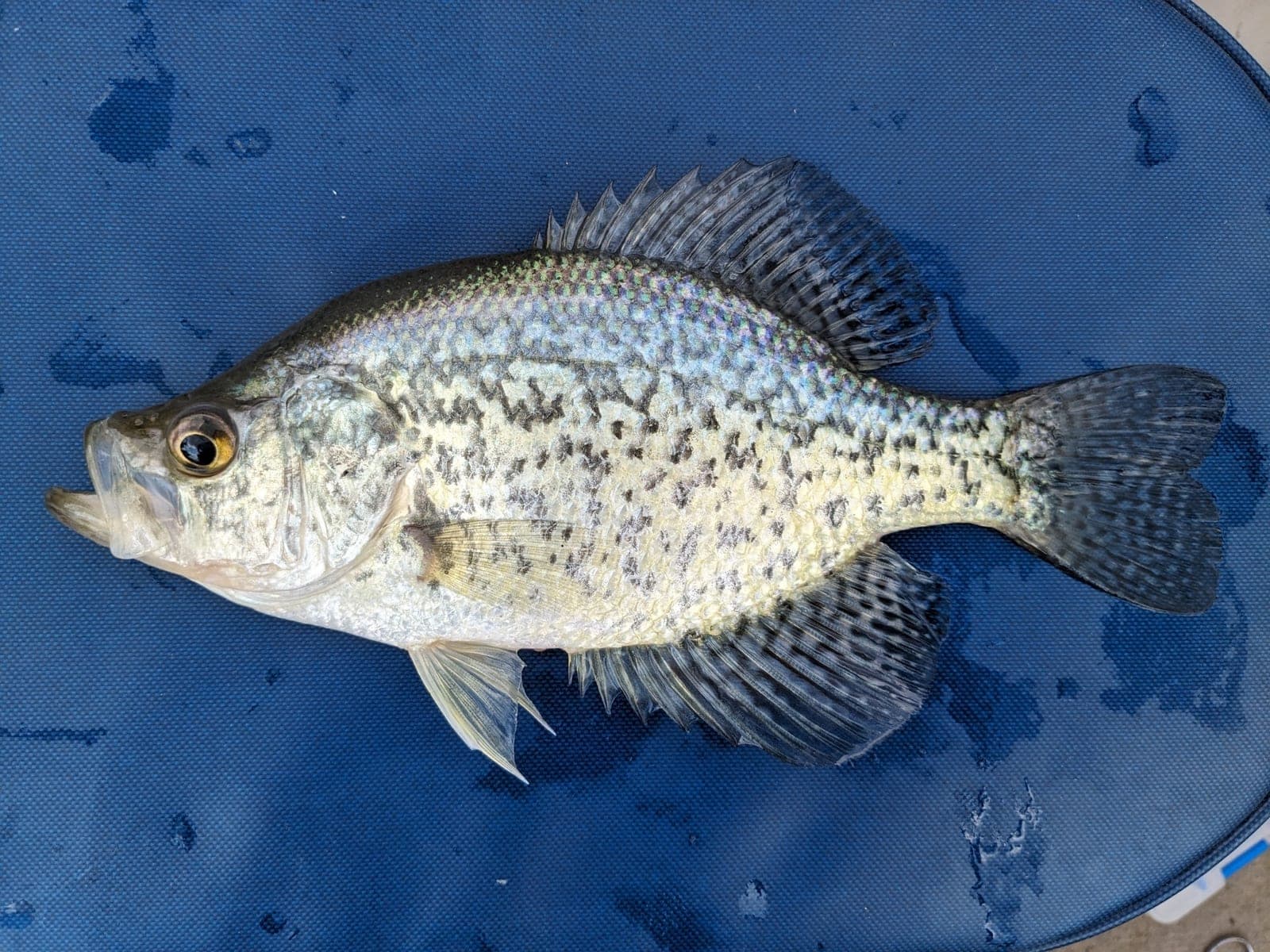
The black crappie is a speckled, slab-sided panfish that schools around brush, timber and weed edges from southern Canada to the Gulf Coast. It is one of the most popular panfish in North America, thanks to its spring spawning runs, a bite that lasts all winter under northern ice, and white fillets that many anglers put at the top of the freshwater menu.

Read the full guide →

White Crappie

Pomoxis annularis

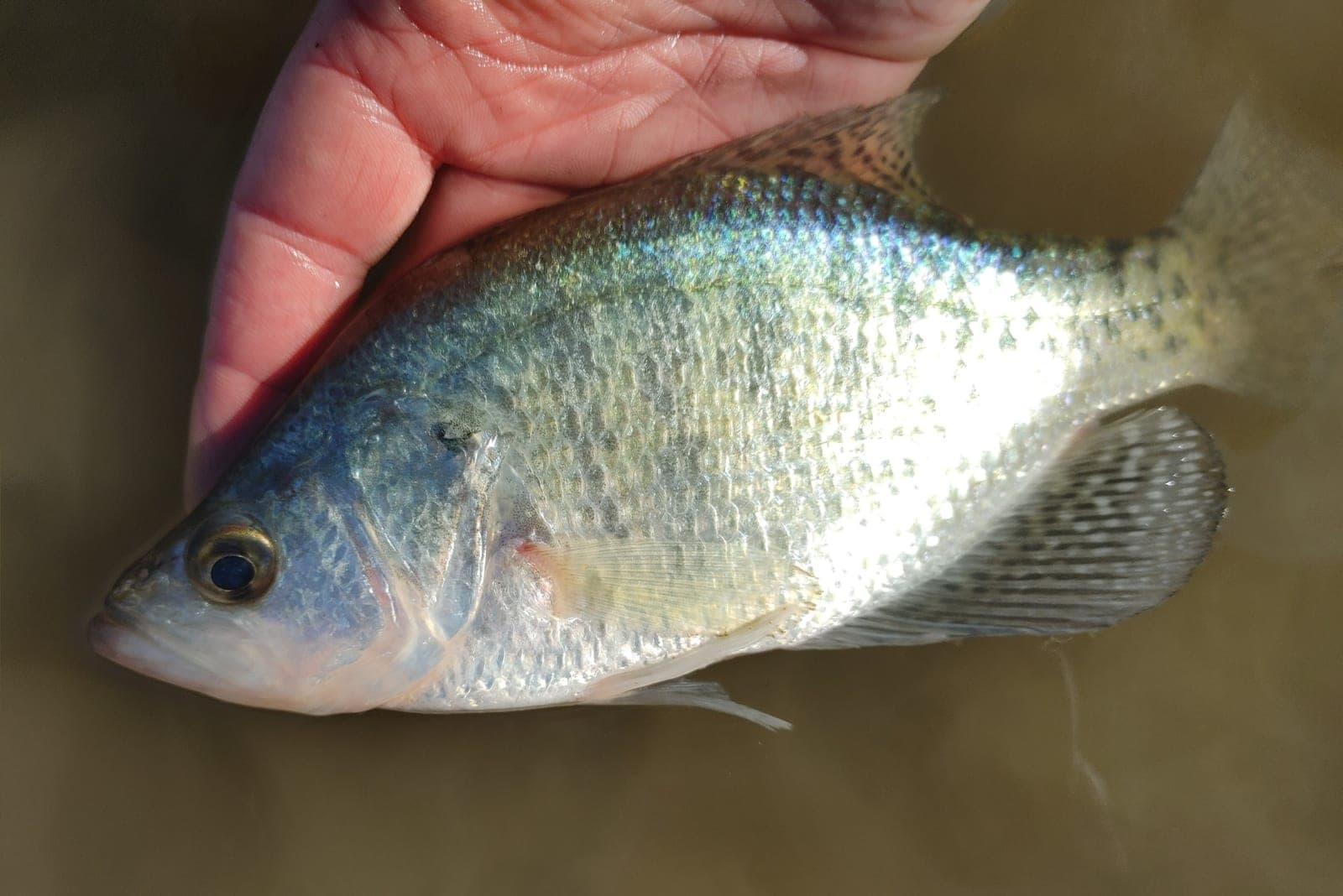
The white crappie is the paler, barred twin of the black crappie and the crappie of big reservoirs and muddy rivers. It thrives in warm, cloudy water that black crappie avoid, gathers in big schools around timber and brush, and is a staple of the spring fish fry across the central and southern United States.

Read the full guide →

Yellow Perch

Perca flavescens

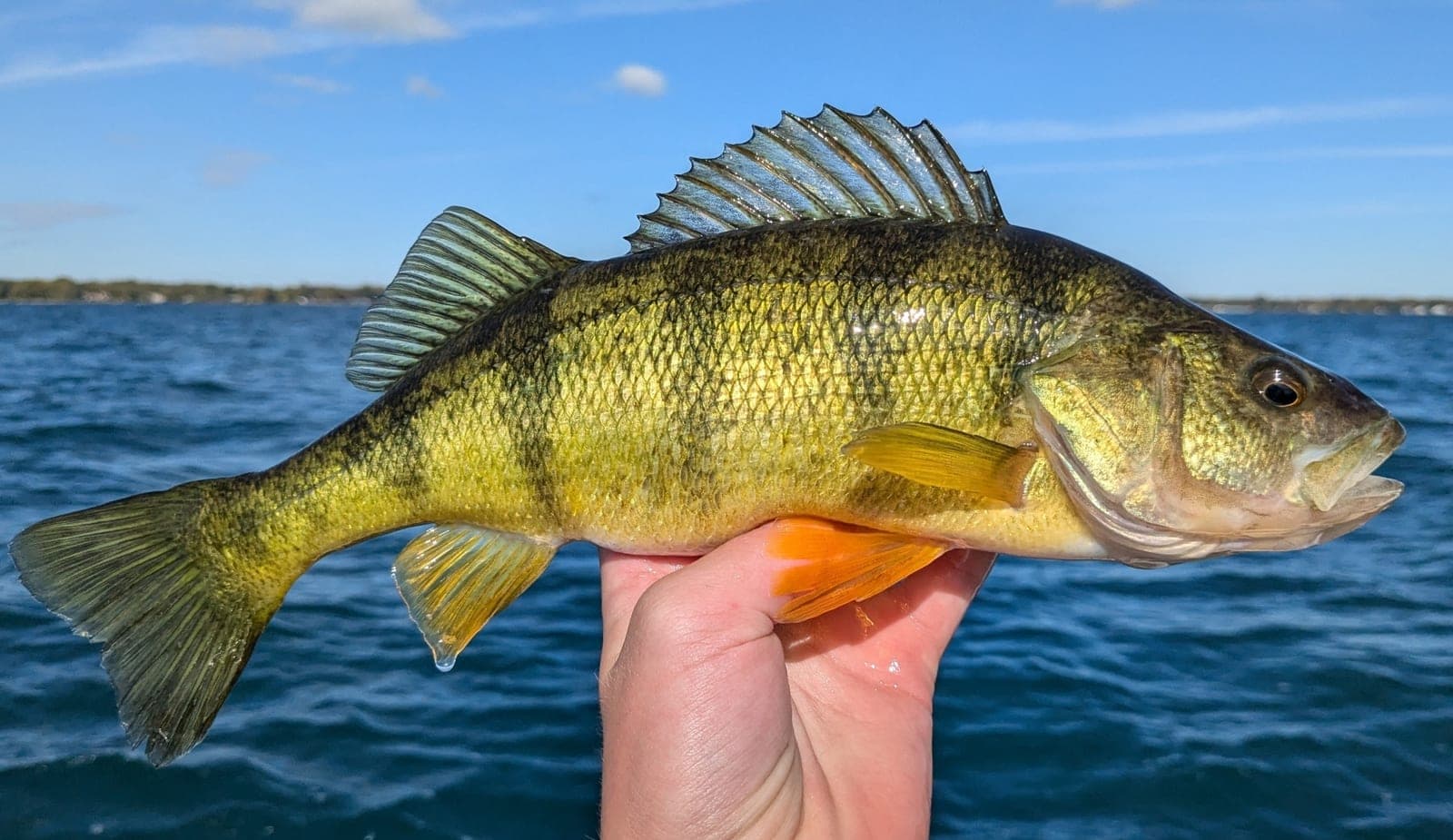
The yellow perch is the classic panfish of the North: a bright, barred schooling fish that bites year-round and fills more ice-fishing buckets than almost anything else. It rarely tops a pound, but perch fillets are some of the sweetest in fresh water, and Great Lakes fish fries have been built on them for generations.

Read the full guide →

Think you could name them from a few clues? A new mystery fish drops every day.

Play the daily fish game