Field guide · 12 species

Saltwater Game Fish

From the grass flats of Florida to the offshore canyons of the Northeast, these are the saltwater game fish that define North American coastal fishing. Inshore, anglers sight-cast to redfish, snook, bonefish and tarpon or drift for seatrout and flounder; offshore, they troll for mahi-mahi, kingfish and yellowfin tuna.

Many of these fish are managed with slot limits, seasons or catch-and-release rules that differ between states and federal waters, so check current regulations before you keep one.

At a glance

FishFamilyWaterRegionBody shapeMax lengthMax weightDiet
Red DrumDrum familyBothGulf CoastStreamlined61 in99 lbCarnivore
Spotted SeatroutDrum familyBothGulf CoastStreamlined39 in17 lbCarnivore
SnookSnook familyBothGulf CoastStreamlined55 in54 lbCarnivore
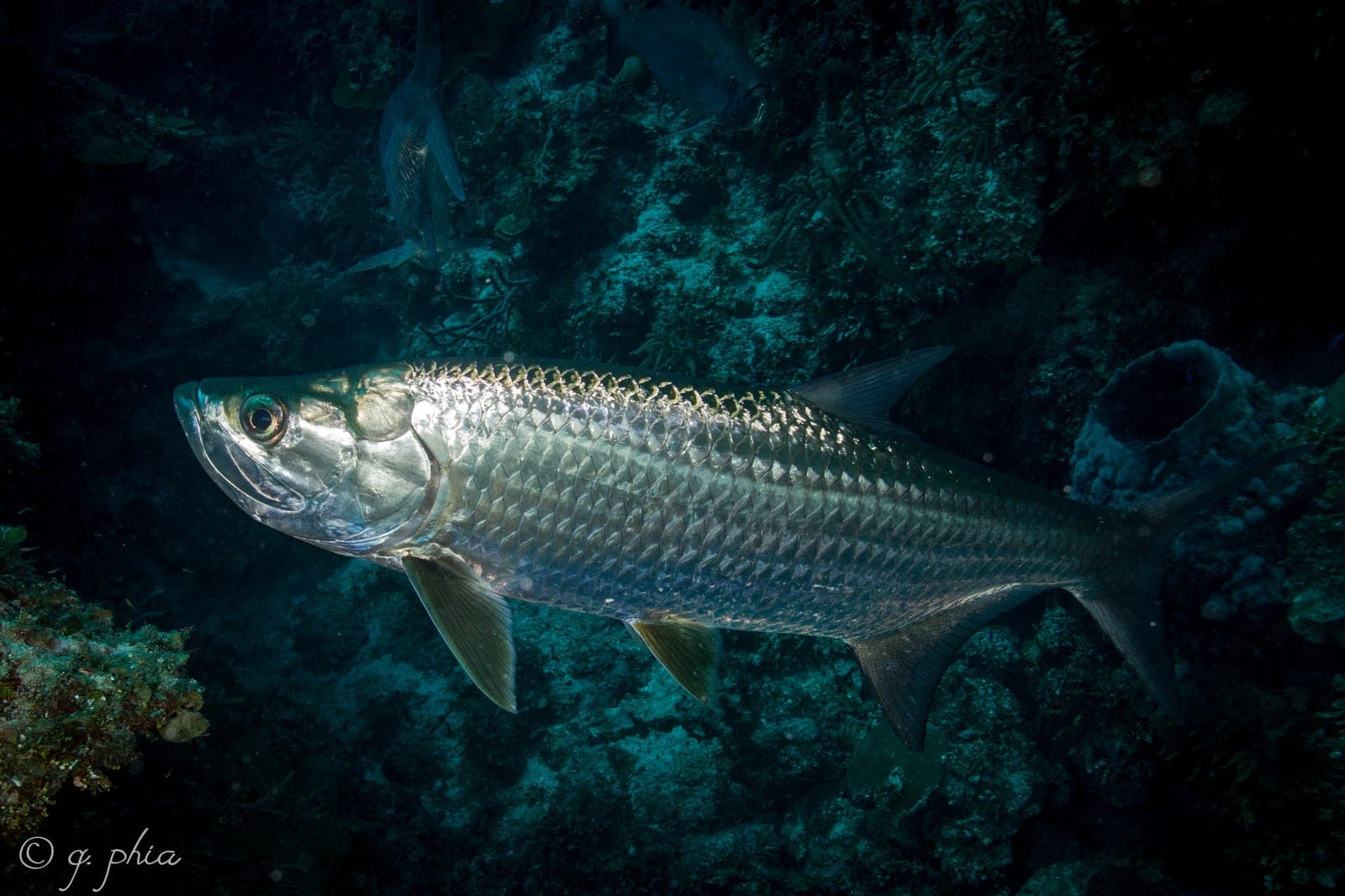
TarponTarpon familyBothGulf CoastStreamlined98 in355 lbCarnivore
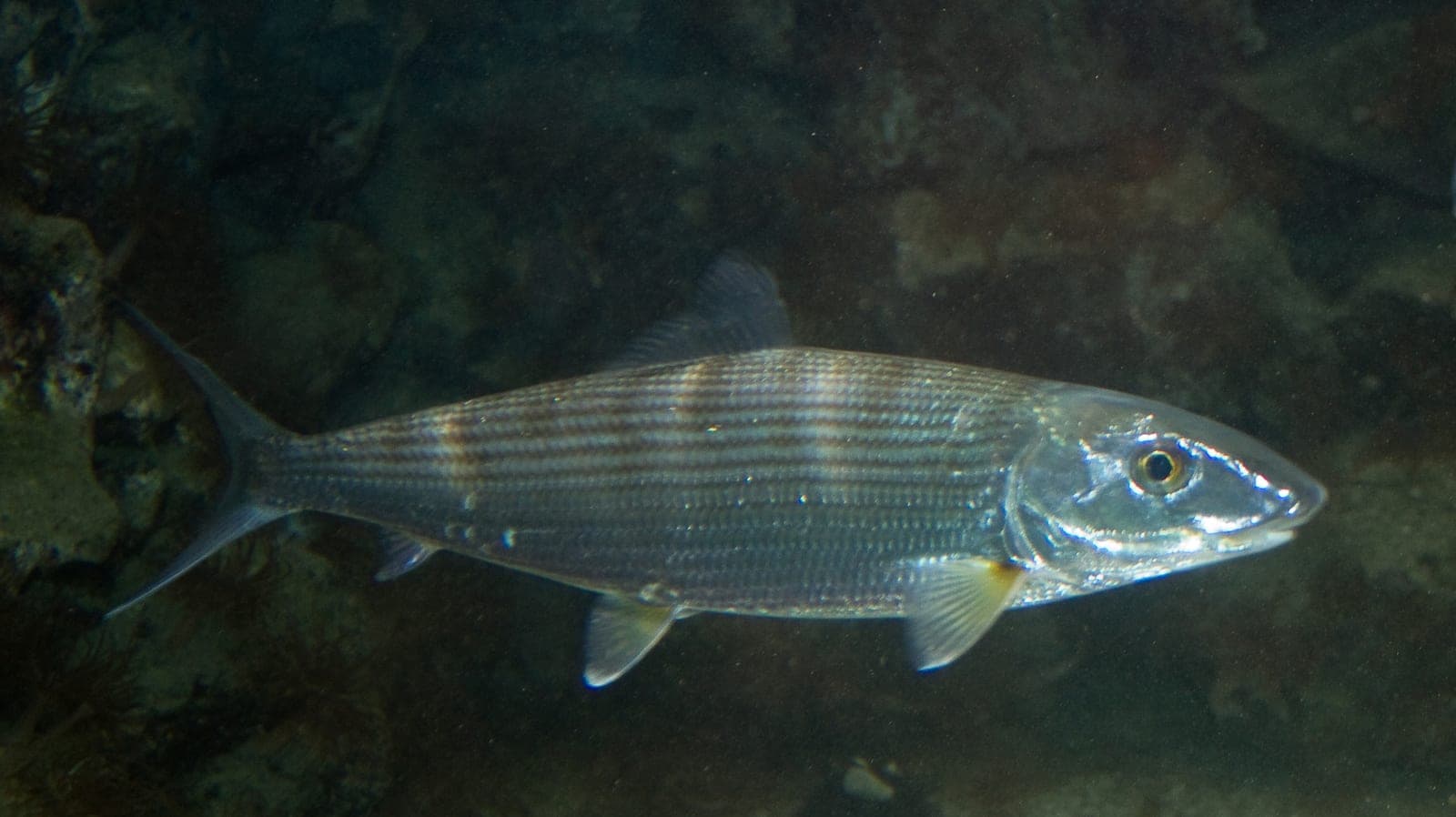
BonefishBonefish familyBothSouthern watersStreamlined31 in16 lbCarnivore
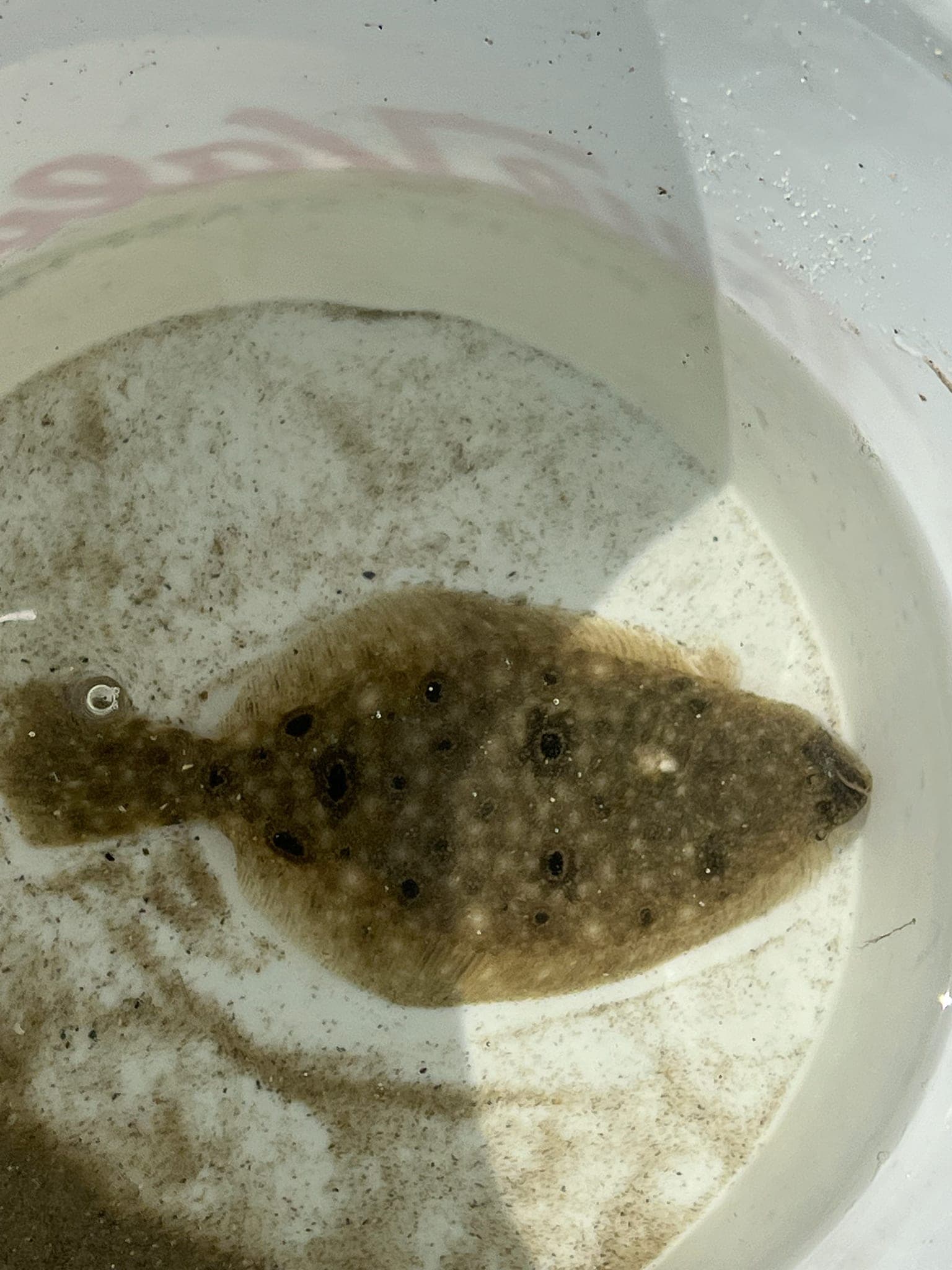
Summer FlounderLarge-tooth flounderBothAtlantic CoastRound & deep37 in26 lbCarnivore
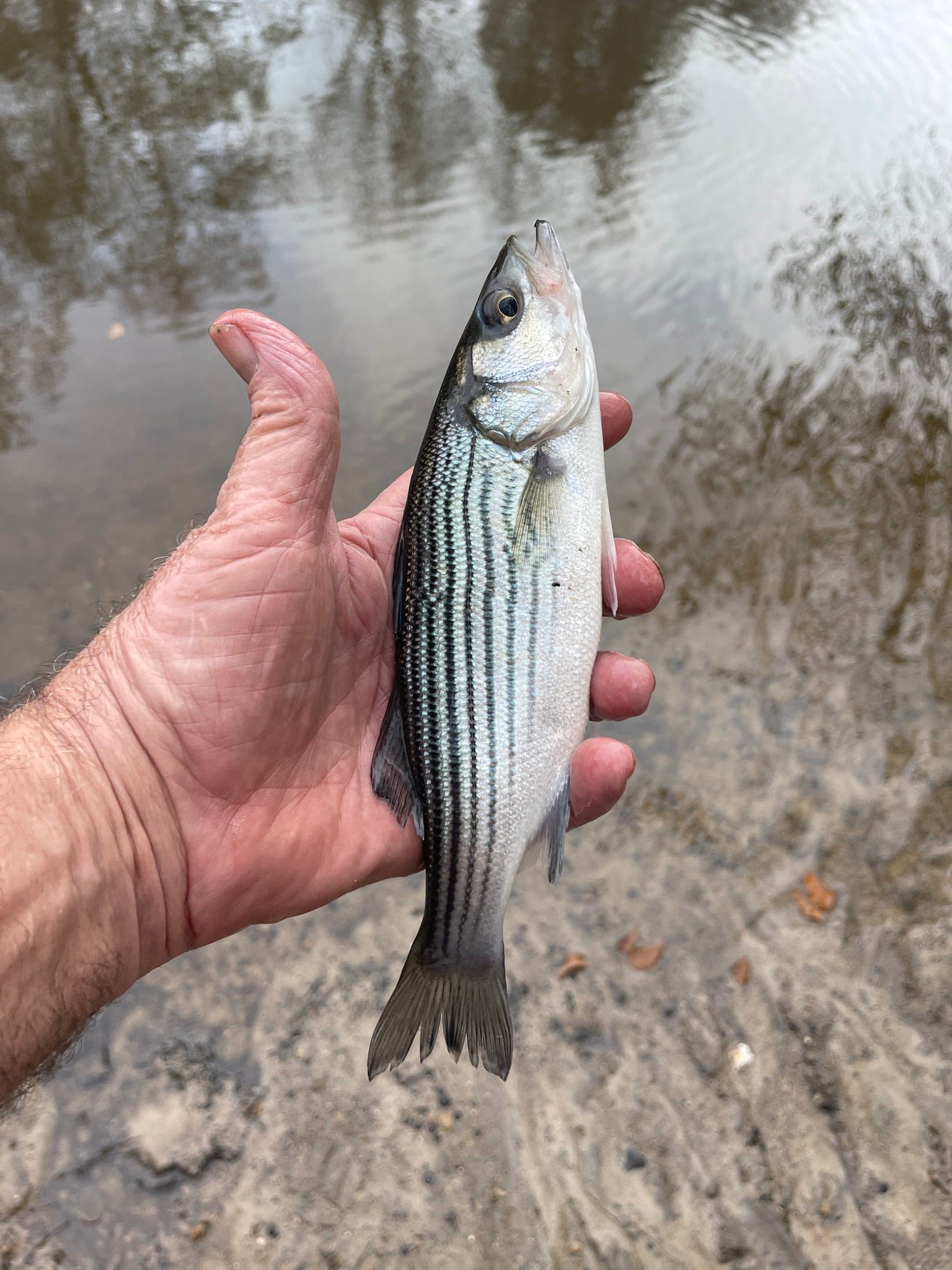
Striped BassTemperate bassBothAtlantic CoastStreamlined79 in126 lbCarnivore
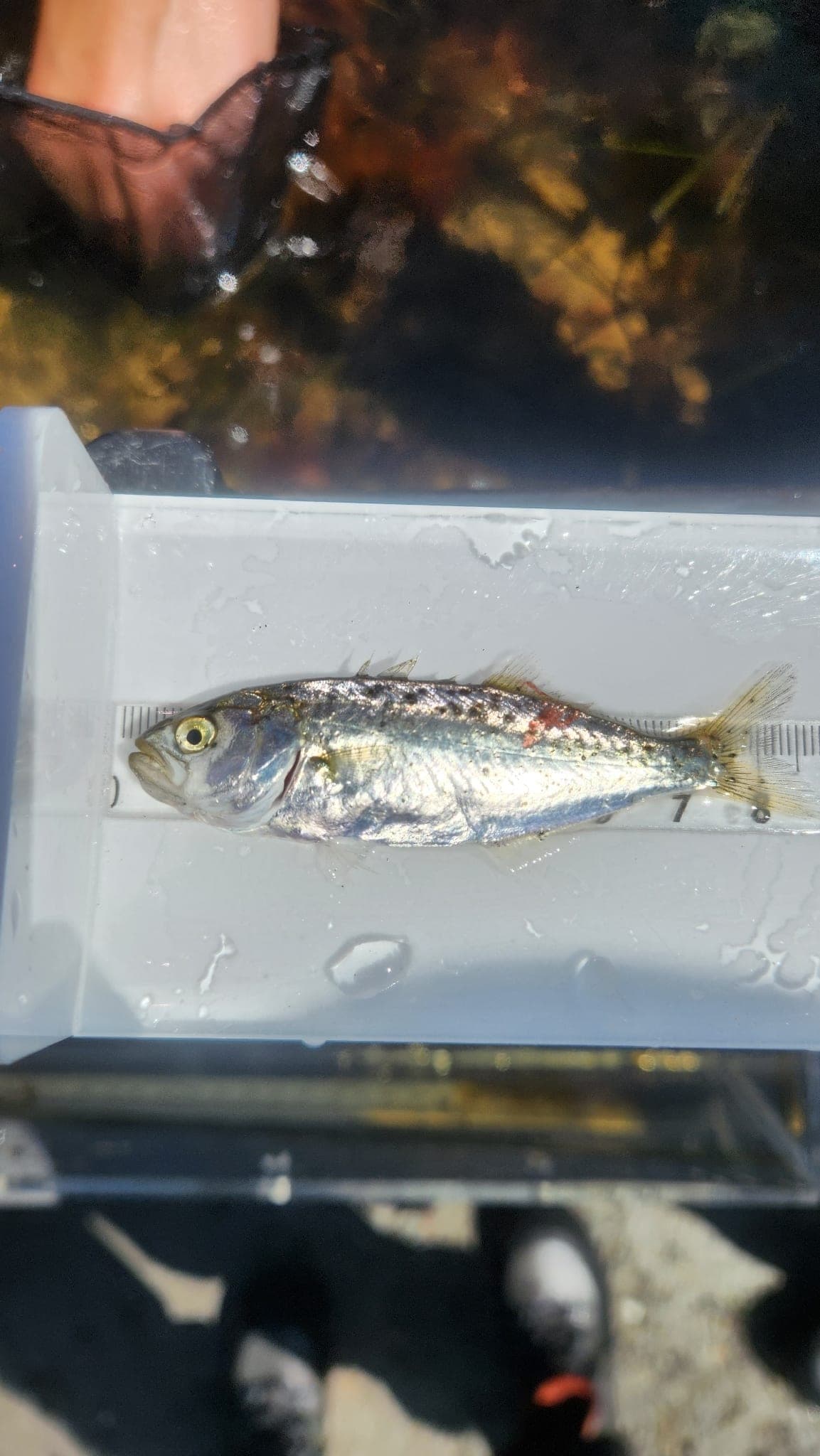
BluefishBluefish familySaltwaterAtlantic CoastStreamlined51 in32 lbCarnivore
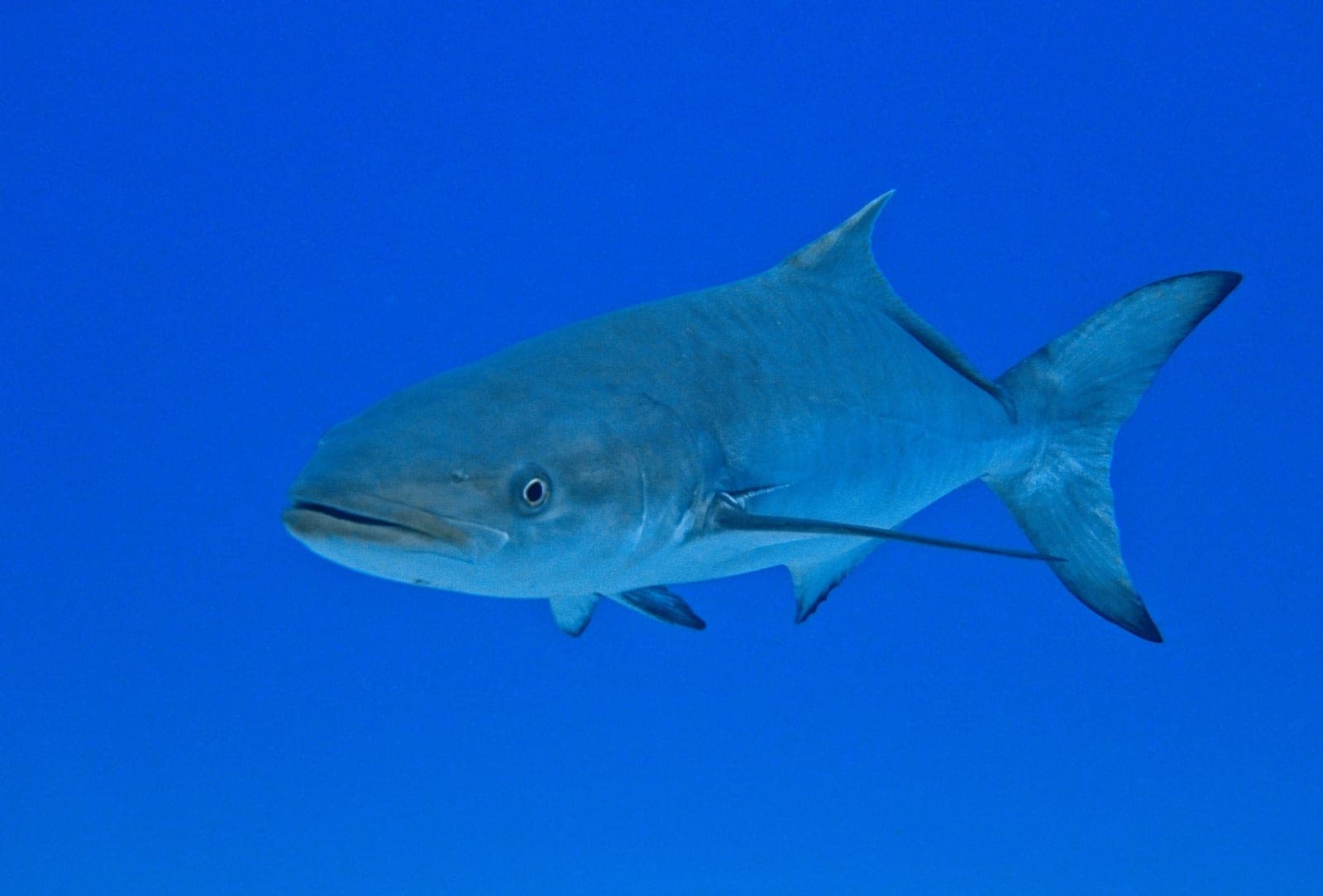
CobiaCobia familySaltwaterAtlantic CoastLong & slender79 in175 lbCarnivore
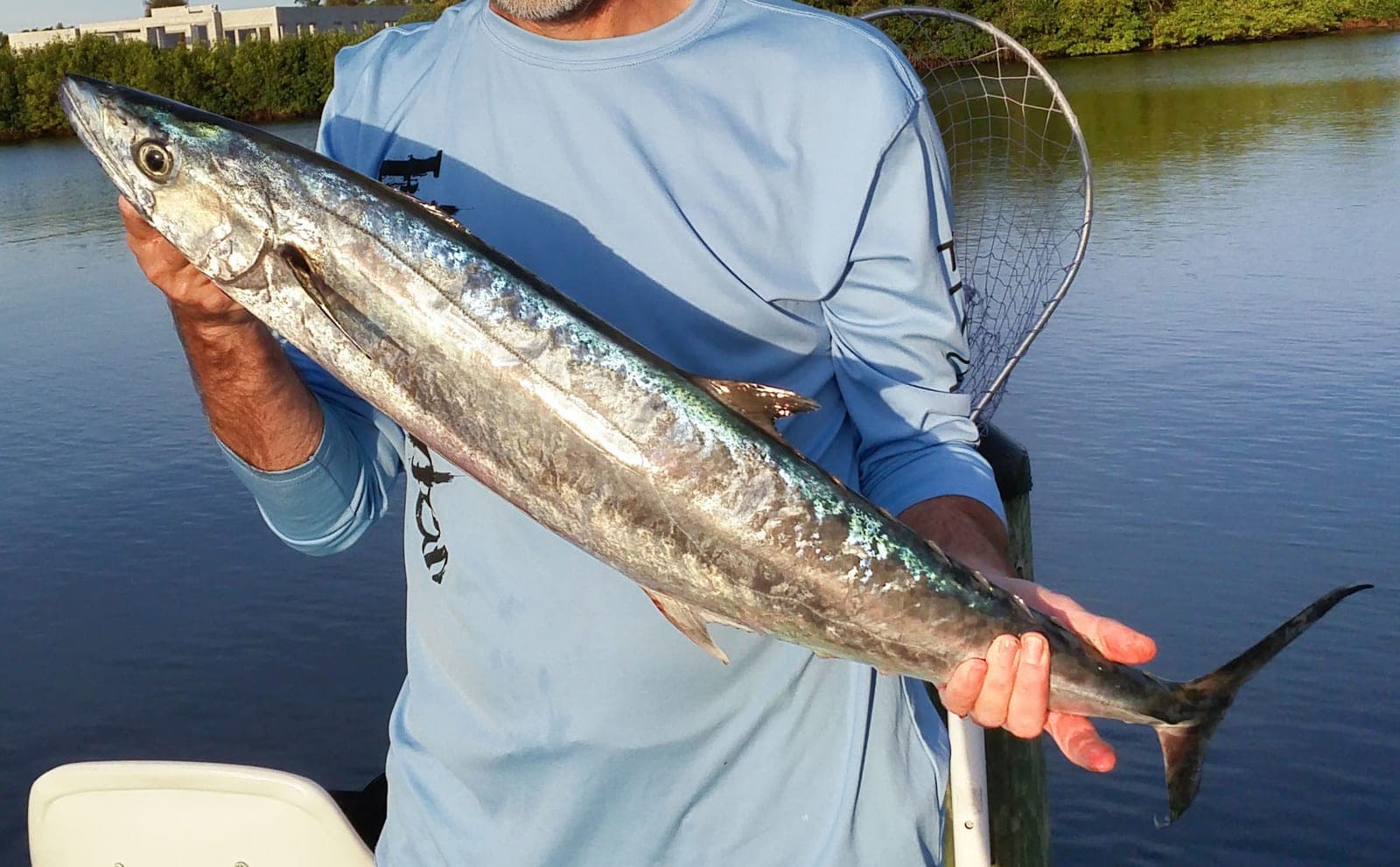
King MackerelMackerel & tunaSaltwaterGulf CoastStreamlined72 in99 lbCarnivore
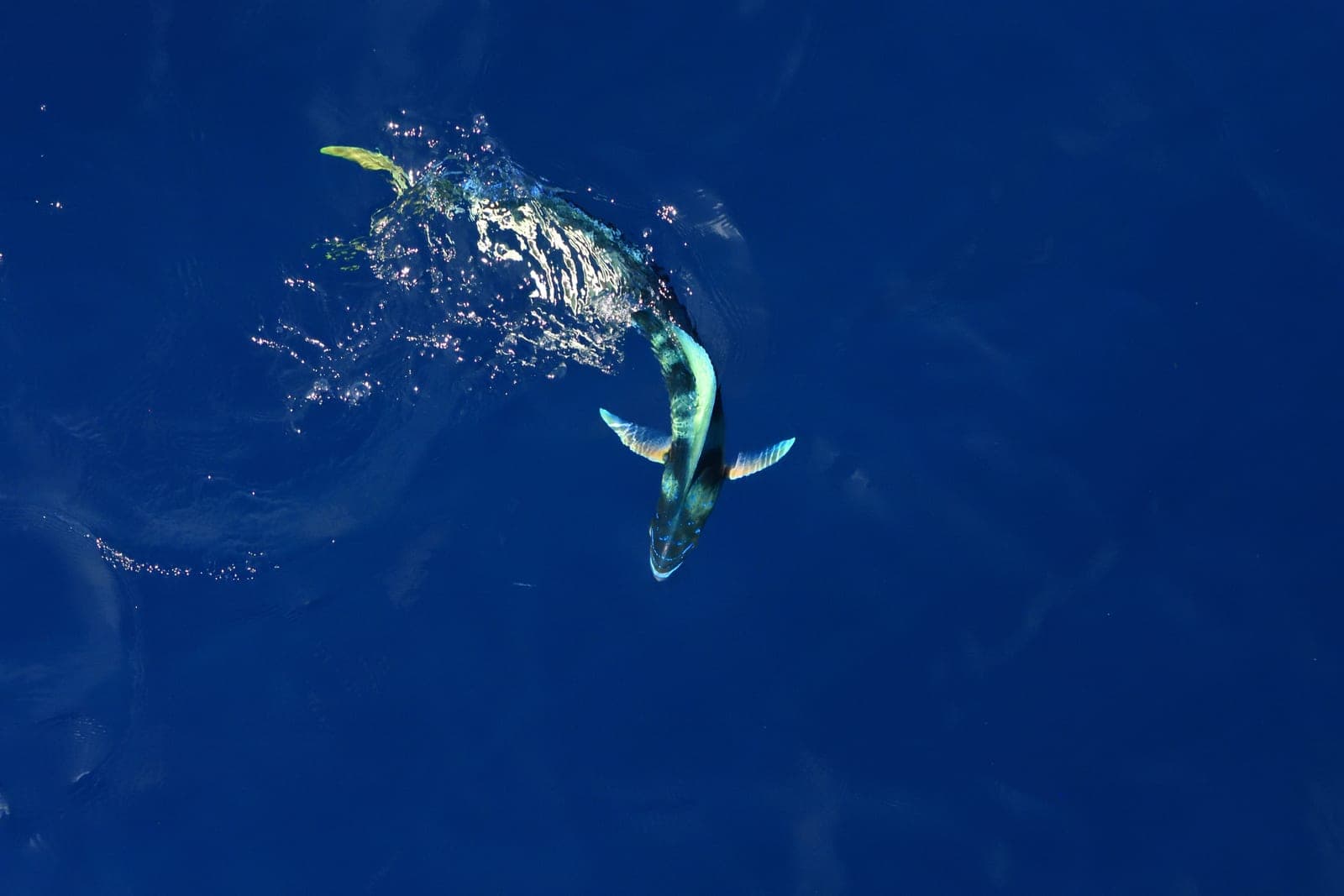
Mahi-MahiDolphinfishSaltwaterSouthern watersLong & slender83 in88 lbCarnivore
Yellowfin TunaMackerel & tunaSaltwaterSouthern watersStreamlined94 in443 lbCarnivore

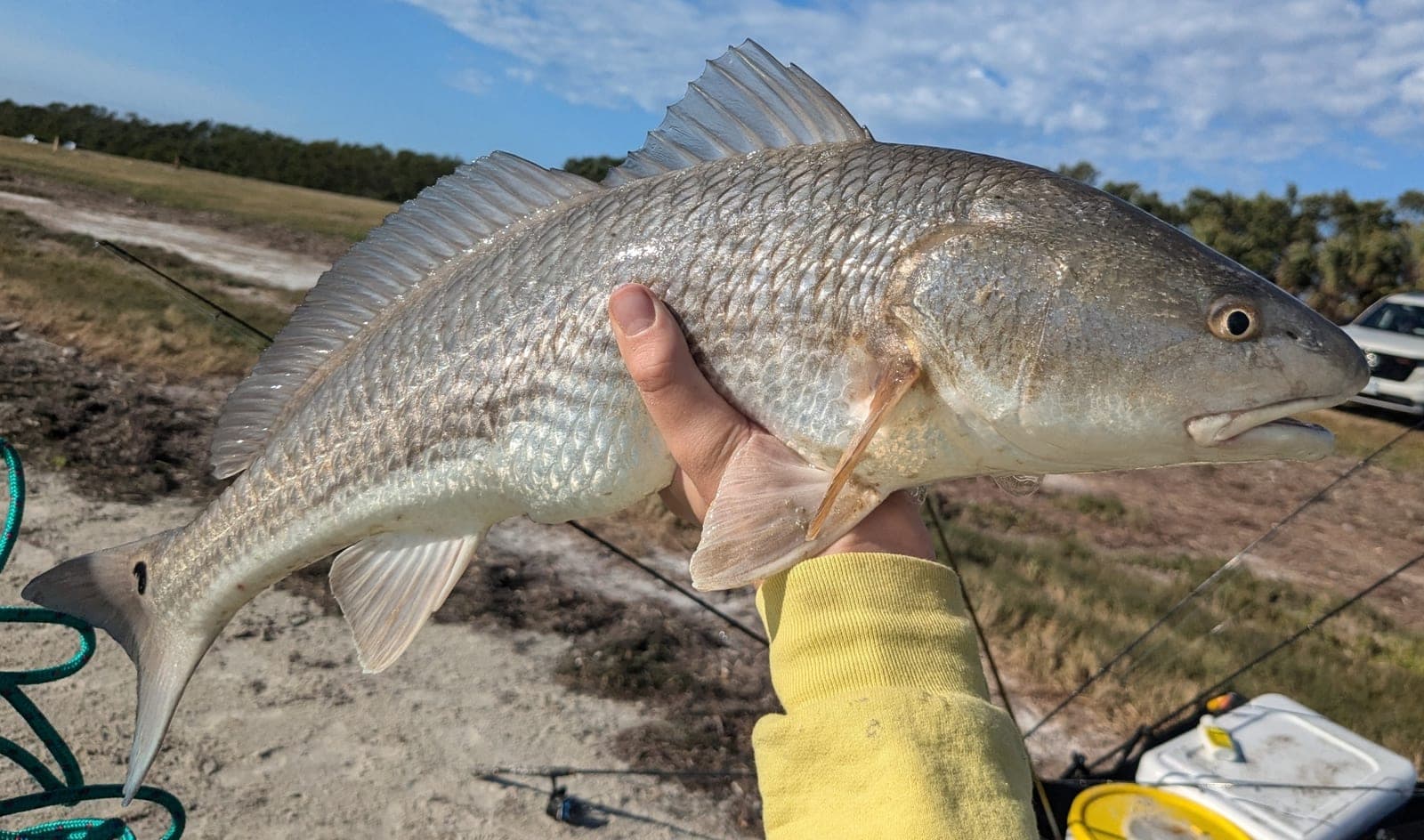
Red Drum

Sciaenops ocellatus

The red drum is the workhorse of inshore saltwater fishing from the Carolinas to Texas: a copper-colored member of the croaker family that tails on grass flats, cruises oyster bars and runs the surf in big fall schools. Few fish are as dependable, as hard-pulling or as forgiving of a sloppy cast, which is why 'redfish' is the first saltwater species many coastal anglers learn.

Read the full guide →
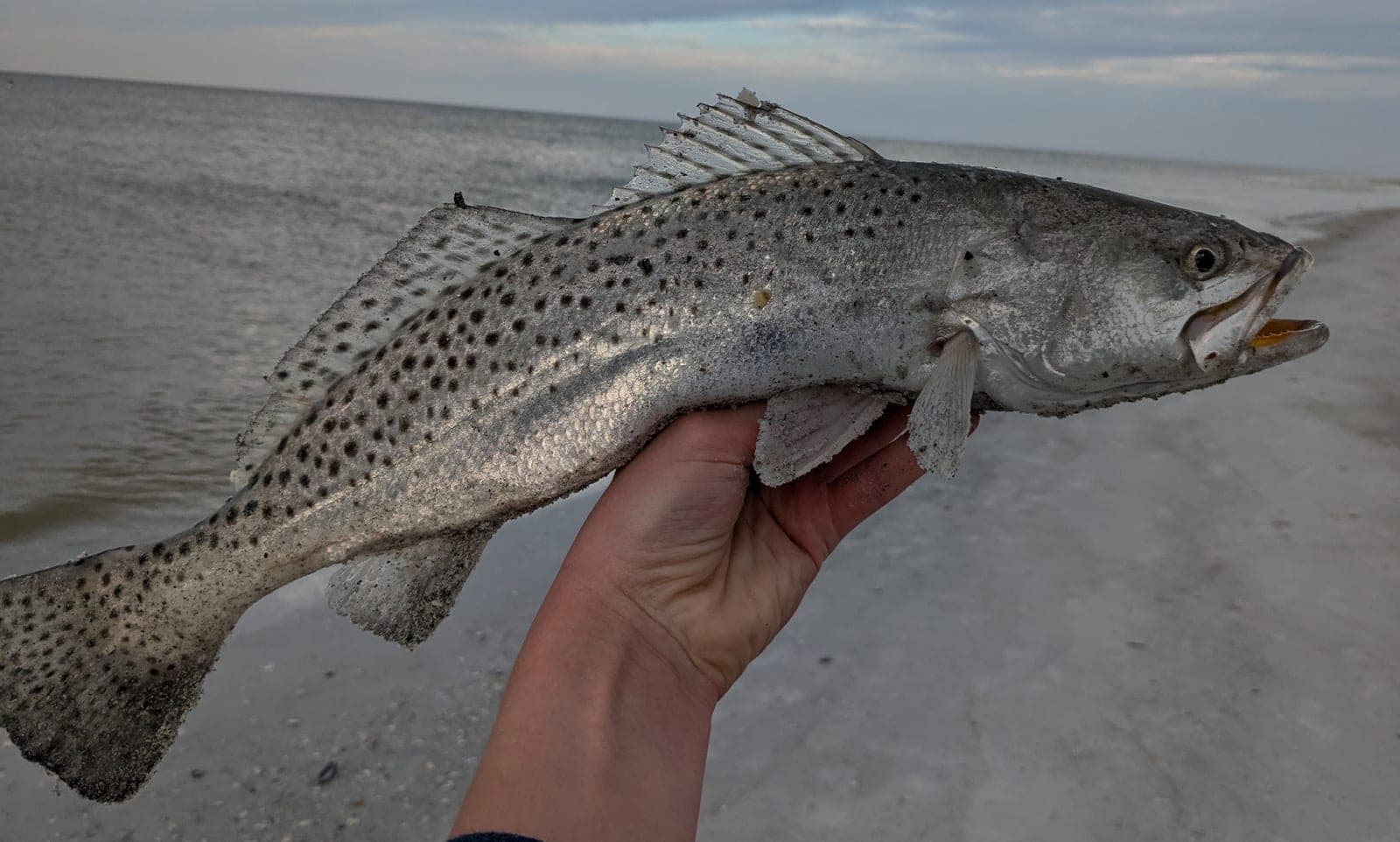
Spotted Seatrout

Cynoscion nebulosus

The spotted seatrout, better known as the speckled trout or simply 'trout' along the Gulf Coast, is the most popular inshore fish from the Chesapeake to Texas. It is not a trout at all but a toothy member of the drum family that hunts grass flats and oyster bars, smashes topwater plugs at dawn and makes some of the best fish fries on the coast.

Read the full guide →

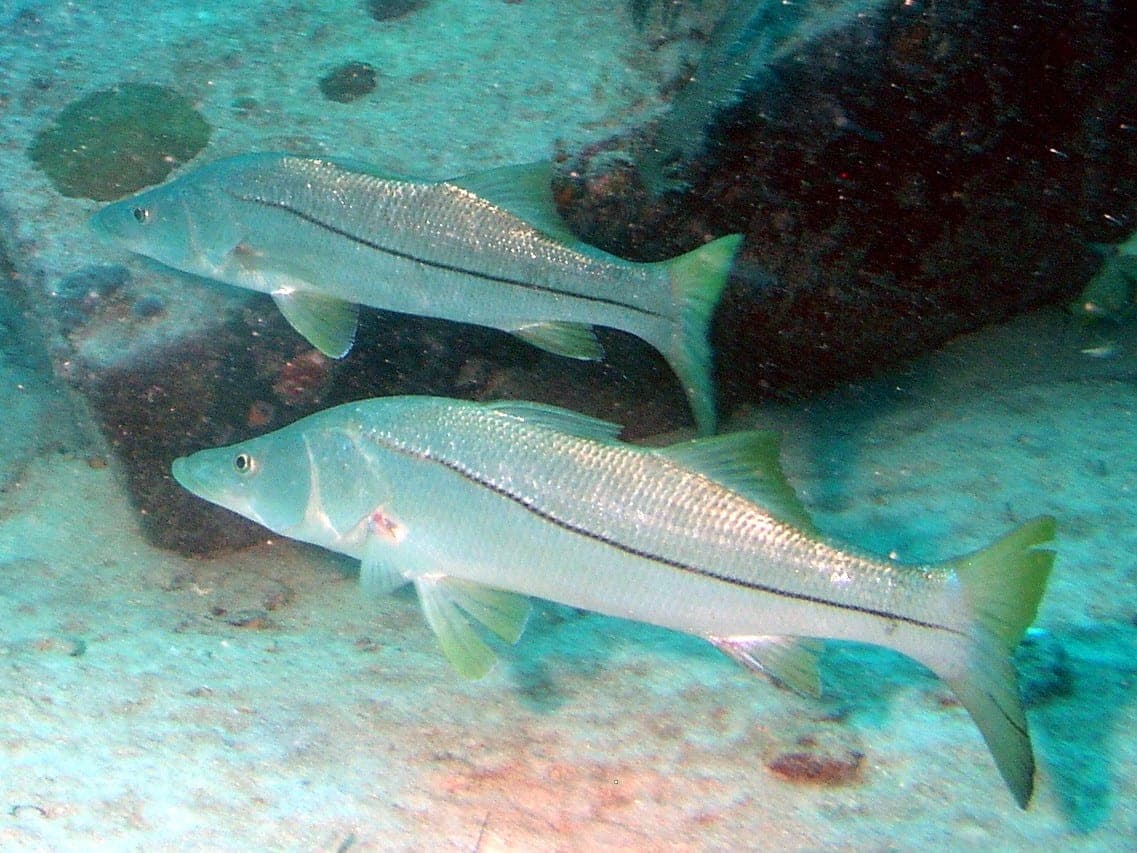
Snook

Centropomus undecimalis

The common snook is South Florida's signature inshore fish: a hard-striking, line-cutting ambush predator of mangroves, bridges, docks and beaches, recognized instantly by the black stripe down its side. It is a tropical fish that cannot handle cold, changes sex as it grows and has been protected from commercial sale in Florida since 1957, which tells you how much anglers value it.

Read the full guide →

Tarpon

Megalops atlanticus

The tarpon is the silver king of inshore fishing: a giant, armor-scaled fish that can pass 200 pounds, breathes air at the surface and leaps as high as 10 feet when hooked. It is barely edible and almost always released, yet anglers travel from around the world to the Florida Keys, Boca Grande and the Gulf Coast for a shot at one.

Read the full guide →

Bonefish

Albula vulpes

The bonefish is the classic quarry of the tropical flats: a wary, mirror-sided fish that roots for crabs in ankle-deep water and, once hooked, can tear off 100 yards of line in a few seconds. It is almost never eaten; anglers stalk it in the Florida Keys, the Bahamas and the Caribbean purely for the hunt and the run.

Read the full guide →

Summer Flounder

Paralichthys dentatus

The summer flounder, called fluke from New Jersey to New England, is the most important flatfish on the U.S. Atlantic coast and a summer staple of party boats, piers and back bays. It is a toothy ambush predator that lies buried in sand with both eyes up, changes color to match the bottom, and rewards anglers with some of the finest white fillets in the ocean.

Read the full guide →

Striped Bass

Morone saxatilis

The striped bass is one of North America's great game fish: a powerful, migratory predator that roams the Atlantic coast, spawns in rivers like the Hudson and the Chesapeake Bay's tributaries, and now thrives in reservoirs across the country. Surfcasters, charter captains and inland anglers all chase stripers, and few fish carry more history or more management debate.

Read the full guide →

Bluefish

Pomatomus saltatrix

The bluefish is the Atlantic coast's resident brawler: a toothy, schooling predator that drives baitfish to the surface in the feeding frenzies anglers call blitzes. It fights far above its weight, bites through careless leaders and fingers alike, and from spring through fall it is one of the easiest saltwater gamefish to reach from a beach, pier or small boat between Florida and Maine.

Read the full guide →

Cobia

Rachycentron canadum

Cobia are big, curious, hard-fighting fish of warm coastal seas, famous for cruising right up to boats, buoys and rays in plain sight. Their spring and summer runs along the Gulf and Southeast coasts turn sight-casting into a spectator sport, and their thick white fillets make them one of the most prized fish a nearshore angler can bring home.

Read the full guide →

King Mackerel

Scomberomorus cavalla

King mackerel are the speed merchants of the nearshore Atlantic and Gulf: long, silver, toothy predators that strip line off a reel at blistering speed and sometimes rocket clear of the water on the strike. Kingfish support big tournament circuits from Texas to the Carolinas, and the largest, called smokers, are the prize of pier, small-boat and offshore anglers alike.

Read the full guide →

Mahi-Mahi

Coryphaena hippurus

Mahi-mahi are the bright, acrobatic gamefish of warm blue water: fast-growing open-ocean predators that glow green, blue and gold when hooked and fade to silver soon after. Anglers call them dolphin or dorado, and they rank among the most popular offshore targets because they bite readily, jump hard, gather in schools under floating weed and make excellent eating.

Read the full guide →

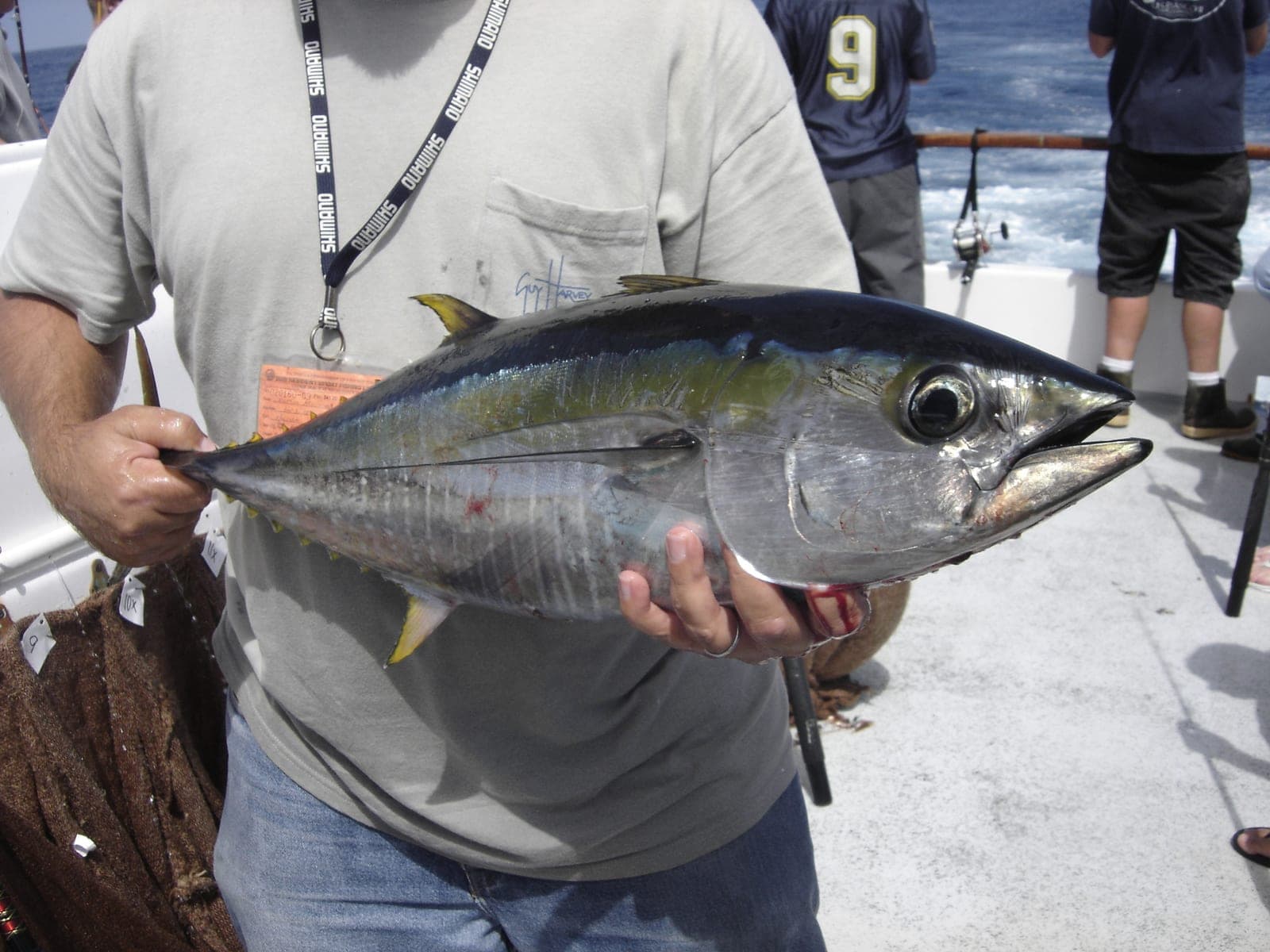
Yellowfin Tuna

Thunnus albacares

Yellowfin tuna are the big-game tuna of warm oceans: fast, powerful, school-forming predators that grow to hundreds of pounds and fight to the last minute. They anchor sportfisheries from the Gulf and the Mid-Atlantic canyons to southern California, Baja and Hawaii, and their deep-red meat is the ahi of sashimi counters and poke bowls.

Read the full guide →

Think you could name them from a few clues? A new mystery fish drops every day.

Play the daily fish game